Seasonal Affective Disorder: When Winter Makes Anxiety Worse
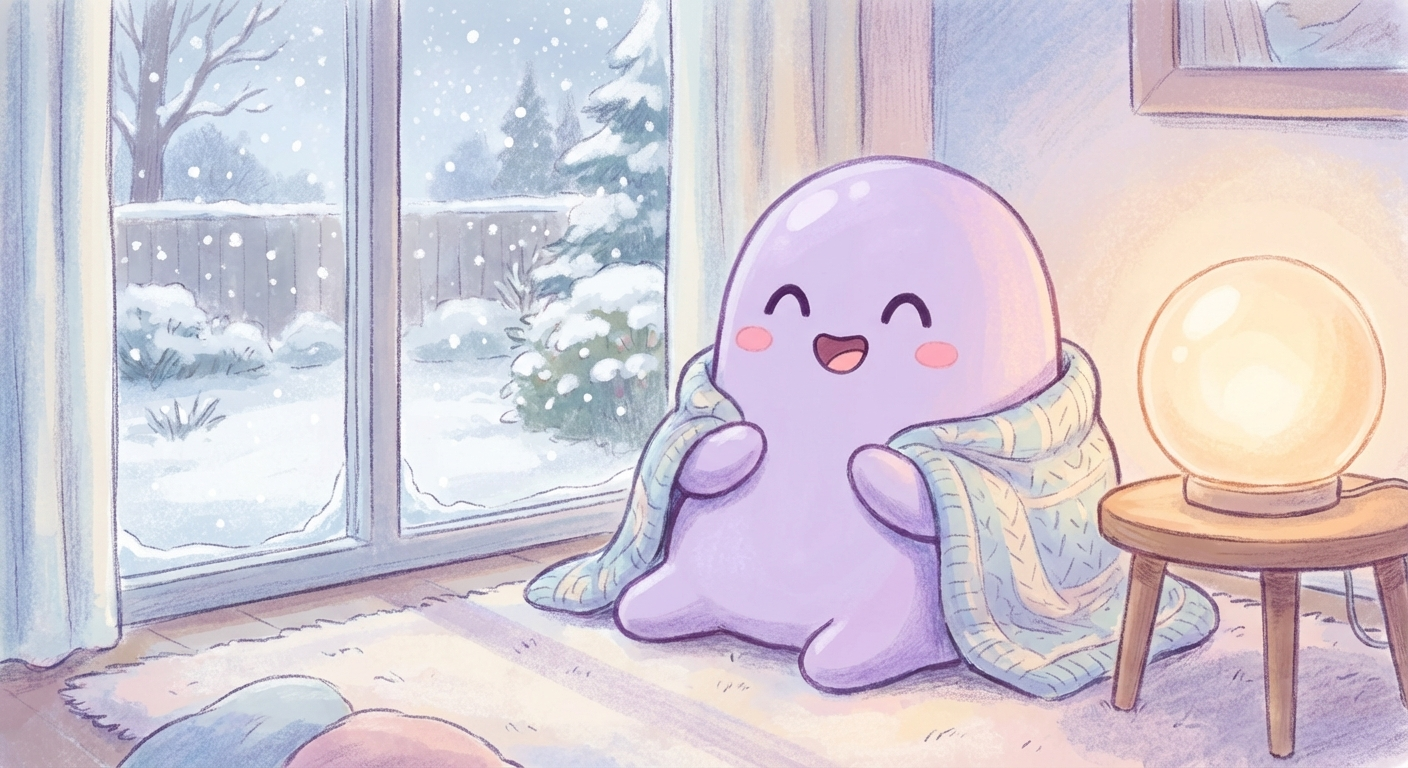
"Seasonal affective disorder (SAD) is a type of depression that follows a seasonal pattern, most commonly beginning in fall or winter and lifting in spring. It often co-occurs with increased anxiety during darker months."
Every year it happens: the days shorten, the light changes, and something in you shifts too. What started as mild sluggishness becomes difficulty getting out of bed. What was normal worry intensifies into persistent anxiety. You're not imagining it.
Seasonal affective disorder (SAD) affects roughly 5% of the population, with another 10-20% experiencing milder "winter blues." The combination of reduced light, disrupted circadian rhythms, and increased isolation creates a perfect storm for both depression and anxiety.
Understanding why this happens is the first step. The second is learning what actually helps—beyond "just get more sunlight" (which, let's be honest, isn't always possible).
Understanding and Managing Seasonal Affective Disorder
Why Light Matters: The Biology of SAD
SAD isn't just feeling bummed about gray skies—it's a biological response to light deprivation. Reduced light exposure affects your brain in measurable ways.
Melatonin dysregulation: Darkness triggers melatonin production, and winter's extended dark hours can leave you drowning in sleep hormones during waking hours. This explains the persistent fatigue and difficulty waking.
Serotonin drops: Sunlight helps maintain serotonin levels. Less light means less serotonin, contributing to depressed mood and increased anxiety. This is why SSRIs are sometimes prescribed for SAD.
Circadian rhythm disruption: Your body's internal clock relies on light cues. Weak, inconsistent winter light confuses the system, affecting everything from sleep to appetite to mood regulation.
Light Therapy: The First-Line Treatment
Light therapy boxes aren't gimmicks—they're evidence-based treatment with effectiveness comparable to antidepressants for SAD. The key is using them correctly.
Specifications matter: Look for a box delivering 10,000 lux. Smaller, dimmer lights require longer exposure and are less effective. The light should be broad-spectrum, not just "daylight" colored.
Timing is crucial: Use it first thing in the morning, within 30 minutes of waking. This helps reset your circadian rhythm and suppress inappropriate melatonin production. Evening use can actually worsen sleep problems.
Duration: 20-30 minutes daily at 10,000 lux. Sit about 16-24 inches from the light, with it positioned slightly above eye level. You don't need to stare at it—just have it in your visual field while you read, eat breakfast, or scroll Nomie.
The SAD-Anxiety Connection
SAD and anxiety frequently travel together, but this connection is often overlooked. Winter doesn't just make people sad—it makes existing anxiety worse and can trigger new anxiety in people who don't typically experience it.
Energy-anxiety paradox: SAD causes fatigue, but anxiety causes activation. The result is feeling simultaneously exhausted and wired—too tired to do things, too anxious to rest.
Social isolation amplifies both: Winter weather reduces social interaction, which means fewer opportunities for nervous system co-regulation. Your nervous system misses the regulating presence of others.
Anticipatory anxiety: Once you've experienced one difficult winter, you may start dreading the next one. Fall's first gray days trigger anxiety about the months ahead, creating a self-fulfilling prophecy.
Movement When You Have No Energy
You know exercise helps depression and anxiety. You also know that SAD steals the energy required to exercise. This is one of the cruelest aspects of seasonal depression.
The solution isn't "just force yourself to exercise." It's lowering the barrier until movement becomes possible.
Minimum viable movement: Forget the gym. Can you stand up and stretch for two minutes? Walk to the mailbox? Do somatic exercises lying in bed? Start where you actually are, not where you think you should be.
Stack light with movement: Use your light therapy box while doing gentle stretches. Walk outside during the brightest part of the day, even if it's just for ten minutes. Combine the interventions that help.
Vitamin D and Other Supplements
The vitamin D connection to SAD is complicated. Many people with SAD have low vitamin D (we make it from sunlight), but supplementation doesn't reliably improve symptoms. Still, it's worth addressing.
Get tested: Don't assume you're deficient—test it. If you are low, supplementation makes sense for overall health even if it doesn't cure your depression.
Other supplements with evidence: Omega-3 fatty acids show modest benefits for depression. St. John's Wort has some evidence for mild-to-moderate depression (but interacts with many medications). Nothing replaces professional treatment for severe symptoms.
What doesn't help: Random vitamin cocktails, most things sold specifically as "mood boosters," and anything promising to cure depression. Be skeptical.
Building Winter-Specific Routines
Your summer routines won't work in winter. Instead of fighting this, build seasonal systems that account for lower energy and reduced light.
Anchor your morning: The most important habit is a consistent wake time with immediate light exposure (natural or therapeutic). This stabilizes your circadian rhythm and makes everything else easier.
Create indoor glimmers: Glimmers—micro-moments of safety and pleasure—often come from outdoor activities that winter limits. Intentionally create indoor versions: cozy lighting, warm drinks, textures that feel good, small pleasures that don't require leaving your home.
Accept seasonal hibernation: Fighting your body's desire to slow down creates stress. Within reason, let yourself rest more, socialize less intensively, and adopt a slower pace. Winter isn't a problem to solve; it's a season to survive with minimal damage.
Scientific Context
Seasonal affective disorder research is well-established, with light therapy recognized as an evidence-based first-line treatment. The American Psychiatric Association includes SAD as a specifier for major depressive disorder.
Related Reading
Regulation shouldn't be work.
Winter's reduced light affects your nervous system in predictable ways. Nomie helps you track seasonal patterns in your mood and energy, making connections between light exposure, movement, and how you feel.
Build awareness of your winter rhythms and use regulation tools that work even when you're running on empty.
Frequently Asked Questions
Is SAD a real disorder or just winter blues?
SAD is a clinically recognized form of depression included in the DSM-5. It's not just feeling a bit down—it involves significant impairment in daily functioning, changes in sleep and appetite, and can be severe. "Winter blues" is milder and doesn't meet diagnostic criteria, but the same strategies help.
Can you have SAD in summer?
Yes, about 10% of SAD cases are summer-pattern, with symptoms appearing in spring/summer and lifting in fall/winter. Summer SAD tends to present with insomnia, poor appetite, and agitation rather than the oversleeping and overeating common in winter SAD.
Do SAD lamps actually work?
Yes, light therapy is one of the best-studied treatments for SAD, with effectiveness comparable to antidepressants. The key is using a proper 10,000 lux box, positioning it correctly, and using it consistently each morning. Cheap, dim lights marketed as "happy lights" often don't deliver therapeutic doses.
Should I take vitamin D for SAD?
Get tested first—many people with SAD are vitamin D deficient, but supplementation alone rarely resolves SAD symptoms. It's worth correcting deficiency for overall health, but don't expect it to replace light therapy or other treatments.
Continue Reading
View All PostsNomie vs Finch: Somatic AI Wellness or Virtual Pet Gamification?
Finch gamifies self-care with a virtual pet bird. Nomie calms your nervous system with somatic tools. Here's which approach actually fits your needs.
Anxiety Dizziness and Lightheadedness: Why It Happens and What Helps
Feeling dizzy during anxiety can be terrifying—but it’s usually a nervous-system + breathing effect, not a sign you’re about to faint. Learn common causes and how to steady yourself.
Anxiety Tingling and Numbness: Causes, Meaning, and How to Stop It
Pins and needles during anxiety can feel alarming—especially in hands, face, or lips. Learn why it happens (often breathing + adrenaline) and how to calm it down safely.