The Modern Wellness Glossary
Decoding the feelings we all have but don't have words for.

Algorithmic Anxiety
The subtle unease or stress caused by navigating unpredictable social media feeds and the pressure to perform for an algorithm.
Anti-Feed
A feed designed to stop you from scrolling, rather than keeping you hooked.
Bed Rotting
A Gen Z term for staying in bed all day, not to sleep, but to passively consume content as a response to burnout. (See: Functional Freeze).
Bilateral Stimulation
Rhythmic left-right stimulation (tapping, eye movement) that helps process trauma and calm the nervous system (used in EMDR).
Bloomscrolling
The antidote to doomscrolling; intentionally consuming digital content that soothes, educates, or regulates the nervous system.
Body Doubling
Doing a task in the presence of another person (or AI companion) to improve focus and motivation.
Box Breathing
A technique used to slow down respiration and lower stress: Inhale 4s, Hold 4s, Exhale 4s, Hold 4s.
Burnout
A state of emotional, physical, and mental exhaustion caused by excessive and prolonged stress.
Co-regulation
The process of regulating your nervous system through the calm presence of another being (human, pet, or empathetic AI).
Cognitive Defusion
A technique to "unhook" from thoughts, seeing them as just words/images rather than absolute truths (e.g., using a Worry Eater).
Cognitive Reframing
Identifying and disputing irrational or maladaptive thoughts (cognitive distortions).
Decision Fatigue
The deteriorating quality of decisions made by an individual after a long session of decision-making (e.g., scrolling Netflix for hours).
Digital Detox
A period of time during which a person refrains from using electronic devices.
Digital Nutrition
The concept that digital content is "food" for the brain; some is junk food, some is nourishing.
Dissociation
A mental process of disconnecting from one's thoughts, feelings, memories, or sense of identity. Often described as "zoning out."
Doomscrolling
The act of spending an excessive amount of screen time devoted to the absorption of negative news.
Dopamine Menu
A curated list of activities (appetizers, mains, sides) designed to provide healthy stimulation without the "crash" of social media.
Emotional Hangover
The lingering exhaustion or mood drop felt after an intense emotional event or social interaction.
Executive Dysfunction
Difficulty managing time, attention, and tasks. Often experienced as "I want to do the thing, but I can't start the thing."
Externalization
Turning an internal feeling into an external object (e.g., writing a worry down) to make it manageable.
Functional Freeze
A state where you appear to be functioning (going to work, etc.) but feel internally numb, stuck, or on "autopilot" due to high stress.
Gamified Affirmations
Interactive positive statements that require user input (swiping/tapping) to increase retention.
Glimmers
Micro-moments of safety, connection, or joy that activate the ventral vagal system. The opposite of "triggers."
Grounding
Techniques that pull your attention away from distressing thoughts and back to the present moment/physical reality.
Hangxiety
The feeling of overwhelming anxiety and worry that occurs during a hangover.
Haptic Feedback
The use of touch sensation (vibration) in tech to convey information or provide soothing rhythmic input.
Hope-scrolling
Similar to Bloomscrolling; actively seeking out positive or solution-oriented news.
Hyper-independence
A trauma response where one refuses to ask for help to avoid feeling unsafe or vulnerable.
Imposter Syndrome
The persistent inability to believe that one's success is deserved or has been legitimately achieved as a result of one's own efforts.
Main Character Energy
The state of prioritizing your own narrative and needs, often used as a tool for self-empowerment.
Micro-Habits
Extremely small actions (e.g., "open the app") that are too small to fail, used to build larger routines.
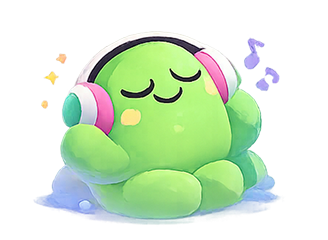
Monster Companion
An AI representation of the self or a friend that provides psychological safety through unconditional acceptance.
Nomie
(Noun) Your digital companion. Derived from "Know Me"—the drive for self-knowledge.
Overstimulation
A state where the senses are flooded with more information (noise, light, scrolling) than the brain can process.
Parasympathetic Response
The "Rest and Digest" state of the nervous system. Nomie's goal is to activate this.
Pink Noise
A frequency of sound (deeper than white noise) often used to improve sleep and focus (e.g., rain sounds).
Polyvagal Theory
A framework explaining how our autonomic nervous system searches for safety cues (glimmers) or danger cues (triggers).
Positive Friction
Intentionally adding steps (like a breathing pause) to break an automatic habit loop.
Revenge Bedtime Procrastination
Staying up late to reclaim freedom and leisure time that was lost during the workday.
Rumination
The compulsion to continuously think about the same (usually dark or sad) thoughts.
Safe Scroll
A curated environment free of algorithmic triggers, ads, and news.
Shadow Work
The practice of exploring the repressed or "darker" parts of your personality (anger, jealousy) to integrate them healthily.
Somatic Fidgeting
Using repetitive physical movement (tapping, popping) to discharge nervous system energy.
Stim / Stimming
Self-stimulatory behavior (repetitive movements/sounds) used to self-regulate, common in neurodivergent individuals.
Sunday Scaries
The feeling of anxiety or dread that sets in on Sunday afternoon/evening ahead of the work week.
Time Blindness
The inability to sense the passing of time, common in ADHD.
Vagus Nerve
The main nerve of the parasympathetic nervous system; stimulating it (via breathing or humming) calms the body.
Visual Anchoring
Using a visual cue (like the Nomie monster) to remind the brain to return to a state of calm.
Window of Tolerance
The optimal zone of arousal where a person is able to function and thrive effectively.
Worry Eating
The act of digitally destroying or "digesting" a written anxiety to symbolize letting it go.