Morning Anxiety: Why You Wake Up Anxious (And How to Stop)
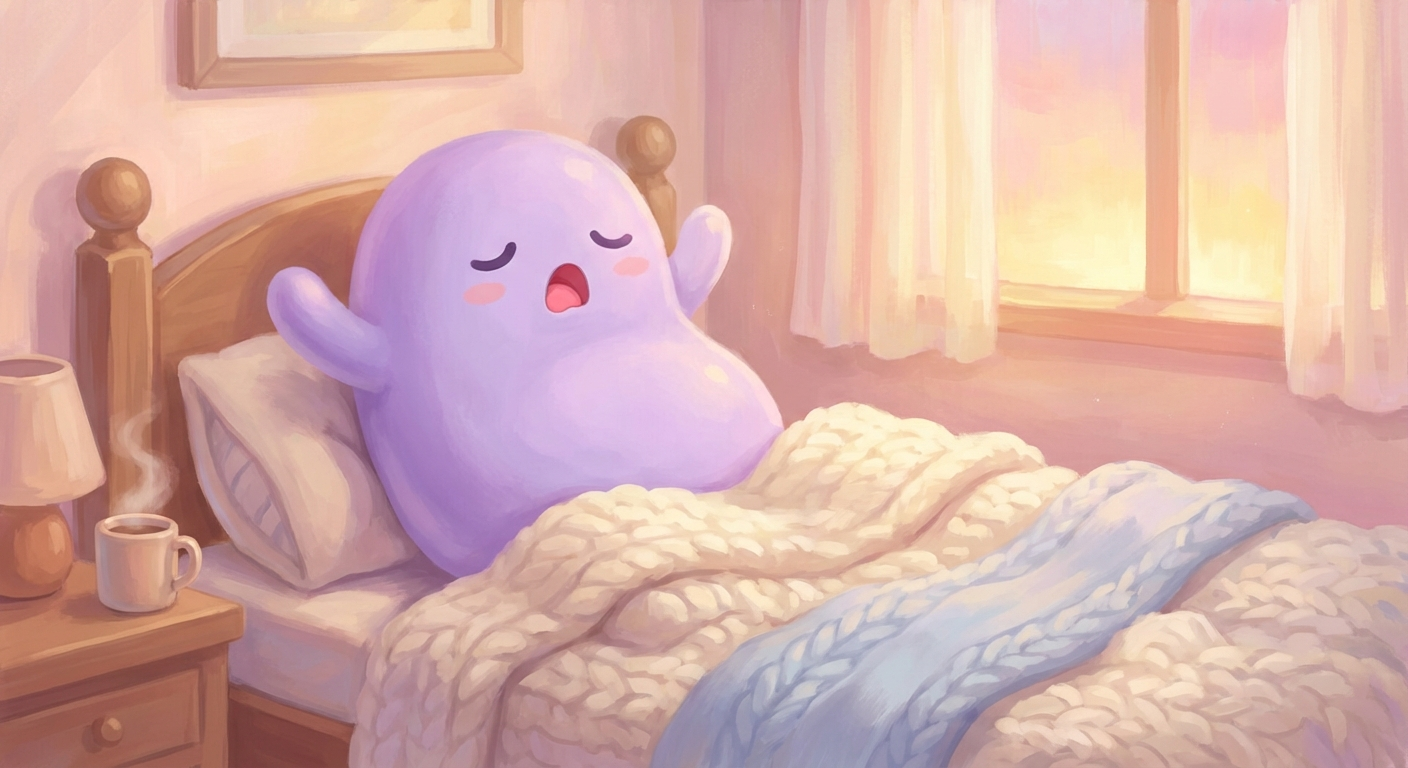
"Morning anxiety is heightened anxiety symptoms upon waking—racing heart, dread, worry—often caused by the cortisol awakening response (CAR), where cortisol spikes 50-75% in the first 30-45 minutes after waking."
You open your eyes and immediately feel it: racing heart, tight chest, sense of dread—before you've even checked your phone or remembered what day it is.
Morning anxiety is incredibly common, yet rarely discussed. If you wake up anxious most mornings, you're not broken. There's a biological reason this happens—and practical ways to change it.
The culprit? Your cortisol awakening response (CAR)—a natural hormone surge that happens every morning. When this system is dysregulated, you wake up in fight-or-flight mode. Understanding why this happens is the first step to fixing it.
Understanding and Managing Morning Anxiety
The Cortisol Awakening Response (CAR)
Every morning, your body releases a surge of cortisol—the stress hormone—within 30-45 minutes of waking. This is the cortisol awakening response (CAR), and it's completely normal.
In a healthy system, this cortisol burst helps you wake up alert, prepares you for the day's demands, peaks around 30 minutes after waking, and then gradually drops throughout the day.
But when you're stressed, sleep-deprived, or dealing with anxiety, CAR can become exaggerated. Instead of a gentle wake-up call, it feels like an alarm blaring. Your body reads the cortisol spike as "DANGER" rather than "time to start the day." Understanding how your nervous system works helps explain why this happens.
Why Some People Get Morning Anxiety
Several factors amplify morning anxiety.
Blood sugar drops happen because your body has been fasting all night. Low blood sugar can mimic anxiety symptoms like shakiness, irritability, and racing heart. Dehydration plays a role too—you haven't had water in 6-8 hours, and even mild dehydration increases cortisol and anxiety.
Accumulated stress means your baseline cortisol is already elevated if you're chronically stressed; the morning spike just pushes you over the edge. Anticipatory anxiety kicks in when your brain starts running through the day's stressors before you're even fully awake. And poor sleep dysregulates cortisol patterns entirely, leading to higher morning spikes. If you struggle with overthinking at night, this often carries into morning anxiety.
Morning Routine for Anxiety Relief
The first 30-45 minutes after waking are critical. Your nervous system is most malleable during this window.
Before getting up, take 5 slow, deep breaths with your exhale longer than your inhale. Do a gentle body scan to notice where tension lives, and set one intention for the morning (not the whole day).
In the first 15 minutes, start by drinking 16 oz of water before coffee to hydrate your system. Keep your phone out of reach for the first 30 minutes. Eat something small—even a few bites will help stabilize blood sugar. Open blinds or step outside to get light exposure, which helps regulate cortisol.
In the first 30 minutes, incorporate gentle movement like stretching, walking, or yoga—nothing too intense. Try a grounding exercise: notice 5 things you can see, 4 you can touch, and 3 you can hear. Practice breathing exercises or somatic tools to help regulate your nervous system.
What NOT to Do in the Morning
Certain morning habits amplify the cortisol response.
Checking your phone immediately is one of the worst offenders. News, emails, and social media spike cortisol further, and your nervous system can't tell the difference between a stressful email and an actual threat. This often contributes to phone anxiety.
Skipping breakfast backfires because low blood sugar mimics and worsens anxiety. Even if you're not hungry, eat something small. Coffee on an empty stomach is also problematic—caffeine increases cortisol 30-50%, and on an empty stomach, it's even more activating.
Rushing triggers fight-or-flight mode. Build in buffer time, even 10 minutes. And intense exercise immediately upon waking can spike cortisol when it's already elevated. Save high-intensity workouts for later when cortisol has naturally dropped.
The Night Before Matters
Morning anxiety often starts the night before. Sleep quality directly affects morning cortisol.
A wind-down routine should start 60-90 minutes before bed. Dim lights, avoid screens (or use night mode), and do calming activities. A worry dump can help immensely: write down tomorrow's tasks and concerns before bed to get them out of your head and reduce morning anticipatory anxiety.
Sleep consistency is crucial—wake at the same time daily, even weekends. Irregular sleep patterns dysregulate cortisol rhythms. Limit alcohol because it disrupts sleep architecture even when you sleep through the night, leading to higher morning cortisol. Keep your room cool (65-68°F) for better sleep quality. If nighttime anxiety is a struggle, learning to stop overthinking at night can transform your mornings.
When Morning Anxiety Needs More Support
Self-help strategies work for mild-to-moderate morning anxiety. Seek professional support if morning anxiety is severe and disabling, you experience panic attacks upon waking, it's accompanied by depression or hopelessness, self-help strategies haven't helped after 4-6 weeks, or you're using alcohol or substances to cope.
Treatments like CBT, medication, and trauma therapy can address underlying causes that morning routines alone can't fix.
Morning anxiety is common, but it doesn't have to be your normal. Small, consistent changes to your morning and evening routines can significantly reduce that morning dread.
Scientific Context
The cortisol awakening response (CAR) is a well-documented physiological phenomenon. Research shows it is amplified by stress, poor sleep, and anticipatory anxiety.
Related Reading
Regulation shouldn't be work.
The first minutes after waking set the tone for your whole day. When your nervous system is already activated, you need tools that work fast—before anxious thoughts take over.
Nomie provides somatic regulation tools designed for exactly this moment: guided breathing, calming haptics, and grounding exercises you can do before even getting out of bed. Instead of reaching for your phone and scrolling into anxiety, reach for regulation.
Frequently Asked Questions
Why do I wake up with anxiety every morning?
Morning anxiety is often caused by the cortisol awakening response (CAR)—a natural 50-75% spike in cortisol that occurs 30-45 minutes after waking. When you're stressed or sleep-deprived, this spike is exaggerated, causing your body to interpret it as danger rather than a normal wake-up signal.
How do I stop morning anxiety immediately?
For immediate relief: take 5 slow breaths with extended exhales, drink water, avoid checking your phone, and do gentle movement. These actions signal safety to your nervous system and help regulate the cortisol spike. Over time, consistent morning routines reduce morning anxiety at the source.
Is morning anxiety a sign of something serious?
Occasional morning anxiety is normal, especially during stressful periods. Persistent, severe morning anxiety may indicate an anxiety disorder, depression, or other conditions. If morning anxiety significantly impacts your functioning or doesn't improve with self-help strategies, consult a healthcare provider.
Does caffeine make morning anxiety worse?
Yes. Caffeine increases cortisol by 30-50%. On an empty stomach, it's even more activating. If you have morning anxiety, try eating breakfast before coffee, or switch to lower-caffeine options like green tea. Some people find eliminating morning caffeine significantly reduces anxiety.
Continue Reading
View All PostsNomie vs Finch: Somatic AI Wellness or Virtual Pet Gamification?
Finch gamifies self-care with a virtual pet bird. Nomie calms your nervous system with somatic tools. Here's which approach actually fits your needs.
Anxiety Dizziness and Lightheadedness: Why It Happens and What Helps
Feeling dizzy during anxiety can be terrifying—but it’s usually a nervous-system + breathing effect, not a sign you’re about to faint. Learn common causes and how to steady yourself.
Anxiety Tingling and Numbness: Causes, Meaning, and How to Stop It
Pins and needles during anxiety can feel alarming—especially in hands, face, or lips. Learn why it happens (often breathing + adrenaline) and how to calm it down safely.