Somatic Exercises for Beginners: Release Stress Stored in Your Body
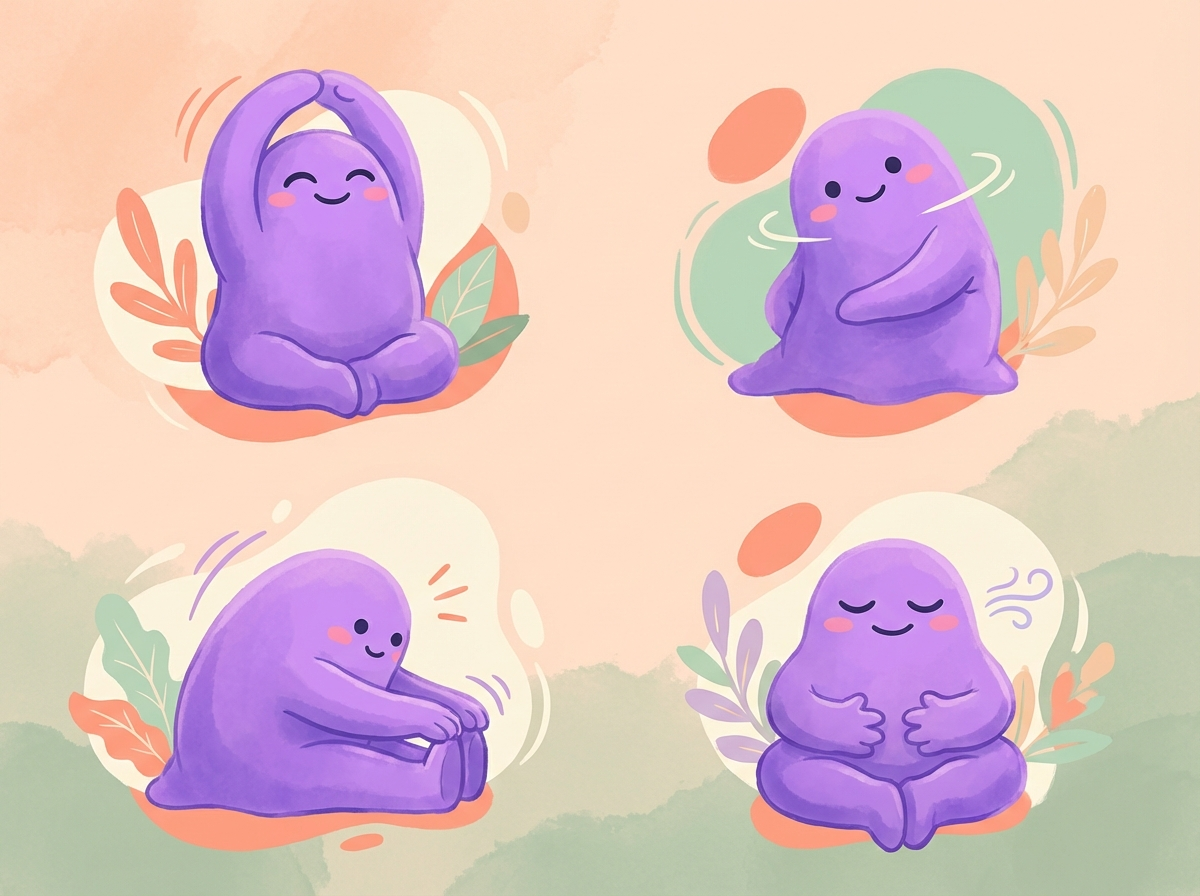
"Somatic exercises are gentle, awareness-based movements designed to release chronic tension patterns, reconnect mind and body, and discharge stored stress from the nervous system."
Your body keeps score. That phrase (from Dr. Bessel van der Kolk's groundbreaking book) has entered mainstream awareness-and for good reason. Stress, trauma, and chronic tension don't just live in your mind. They live in your muscles, your fascia, your nervous system.
Somatic exercises are the antidote. Unlike traditional exercise (which focuses on building strength or burning calories), somatic work focuses on releasing: releasing held tension, releasing stuck movement patterns, releasing the physical residue of stress.
The best part? You don't need to be flexible, athletic, or experienced. Somatic exercises are some of the gentlest movement practices that exist. If you can breathe and notice sensation, you can do this.
This guide introduces 8 beginner-friendly somatic exercises you can start today.
8 Somatic Exercises for Beginners
1. The Somatic Breath (Foundation)
Before any movement, learn to breathe somatically. Lie down. Place one hand on chest, one on belly. Breathe so ONLY the belly hand rises. This diaphragmatic breathing activates the vagus nerve and signals safety to your system. Practice for 3-5 minutes. This isn't about forcing deep breaths-it's about letting breath move naturally into the belly.
2. Pandiculation (Nature's Reset)
You already do this-it's what cats and dogs do when they wake up. Consciously contract a muscle group (make a fist, scrunch your face, curl your toes), hold for 5 seconds, then SLOWLY release over 10 seconds. The slow release is key-it resets the resting length of muscles and clears tension patterns. Do full-body pandiculation every morning.
3. Shaking (Trauma Release)
Animals shake after stressful events to discharge survival energy. Humans often suppress this instinct. Try it: Stand with soft knees. Start bouncing gently. Let the bounce travel up through your body. Allow your hands, arms, and jaw to shake freely. Continue for 2-5 minutes. This may feel silly-that's okay. It's powerfully effective for releasing stored stress.
4. Somatic Hip Circles
The hips store enormous amounts of tension (especially from sitting and emotional stress). Stand with feet hip-width apart, hands on hips. Make slow circles with your pelvis-not your whole body, just the pelvis. Go as slow as possible. Notice areas that feel stuck or jerky. Circle in both directions for 2 minutes each. This releases psoas tension (the 'muscle of the soul').
5. Constructive Rest Position
Lie on your back, feet flat on floor, knees bent and leaning against each other. Arms rest at sides or on belly. This position allows the psoas muscle to fully release. Do nothing. Just breathe and notice. Stay for 10-20 minutes. This is profound nervous system reset work disguised as 'doing nothing.'
6. Jaw Release Sequence
The jaw holds tension from suppressed speech and stress. Open your mouth wide, then move your jaw slowly side to side. Make exaggerated chewing motions. Stick your tongue out as far as possible. Let yourself yawn (real or fake-both work). Gently massage the masseter muscles (where jaw meets cheekbone). Your jaw connects to your nervous system more than any other body part.
7. Grounding Through Feet
Stand barefoot. Slowly shift weight to the edges of your feet, then center. Rise onto balls of feet, lower slowly. Press toes into floor one at a time. Roll a tennis ball under each foot for 2 minutes. These micro-movements wake up the thousands of nerve endings in your feet, improving proprioception and grounding.
8. The Physiological Sigh (Instant Calm)
This isn't just breathing-it's a somatic reset. Two quick inhales through your nose (the second tops up your lungs), then one long slow exhale through your mouth (as long as comfortable). Repeat 3 times. Research from Stanford shows this is the fastest known way to reduce stress in real-time. Use it anytime, anywhere.
Scientific Context
Research in somatic psychology demonstrates that body-based interventions can be more effective than talk therapy alone for releasing stored trauma (Levine, 2010). The Stanford study on physiological sighing (2023) showed that just 5 minutes of this breathing pattern reduced anxiety more effectively than mindfulness meditation.
Related Reading
Regulation shouldn't be work.
Somatic exercises work best when practiced consistently, but it's hard to remember to do them-especially when you're already stressed.
Nomie integrates somatic principles into something you're already doing: using your phone. Our haptic patterns guide somatic breathing. Our fidgets create the micro-movements that discharge tension. Our AI companion reminds you to shake it out when your body needs it.
Think of Nomie as somatic training wheels-until the practices become second nature.
Frequently Asked Questions
How often should I do somatic exercises?
Daily practice, even for 5-10 minutes, creates lasting change. Your nervous system responds to consistency more than intensity. One pandiculation every morning beats an hour-long session once a week.
Can somatic exercises release trauma?
Yes, though significant trauma is best processed with professional support. Somatic exercises can release the physical 'residue' of stress and create a safer body to live in. If intense emotions arise, pause and seek support.
Why do I sometimes feel emotional during somatic exercises?
Emotions are stored in the body. When you release physical tension, emotional content may surface. This is normal and healthy. Let tears come if they need to. The emotion is moving through, not getting stuck.
What's the difference between somatic exercises and yoga?
Traditional yoga often focuses on achieving poses and building flexibility. Somatic exercises focus entirely on internal sensation and releasing held patterns-there's no 'correct' form, only what your body needs in the moment.
Continue Reading
View All PostsNomie vs Finch: Somatic AI Wellness or Virtual Pet Gamification?
Finch gamifies self-care with a virtual pet bird. Nomie calms your nervous system with somatic tools. Here's which approach actually fits your needs.
Anxiety Dizziness and Lightheadedness: Why It Happens and What Helps
Feeling dizzy during anxiety can be terrifying—but it’s usually a nervous-system + breathing effect, not a sign you’re about to faint. Learn common causes and how to steady yourself.
Anxiety Tingling and Numbness: Causes, Meaning, and How to Stop It
Pins and needles during anxiety can feel alarming—especially in hands, face, or lips. Learn why it happens (often breathing + adrenaline) and how to calm it down safely.