What Are 'Glimmers'? The Anti-Trigger Trend Reshaping Mental Well-being in 2026
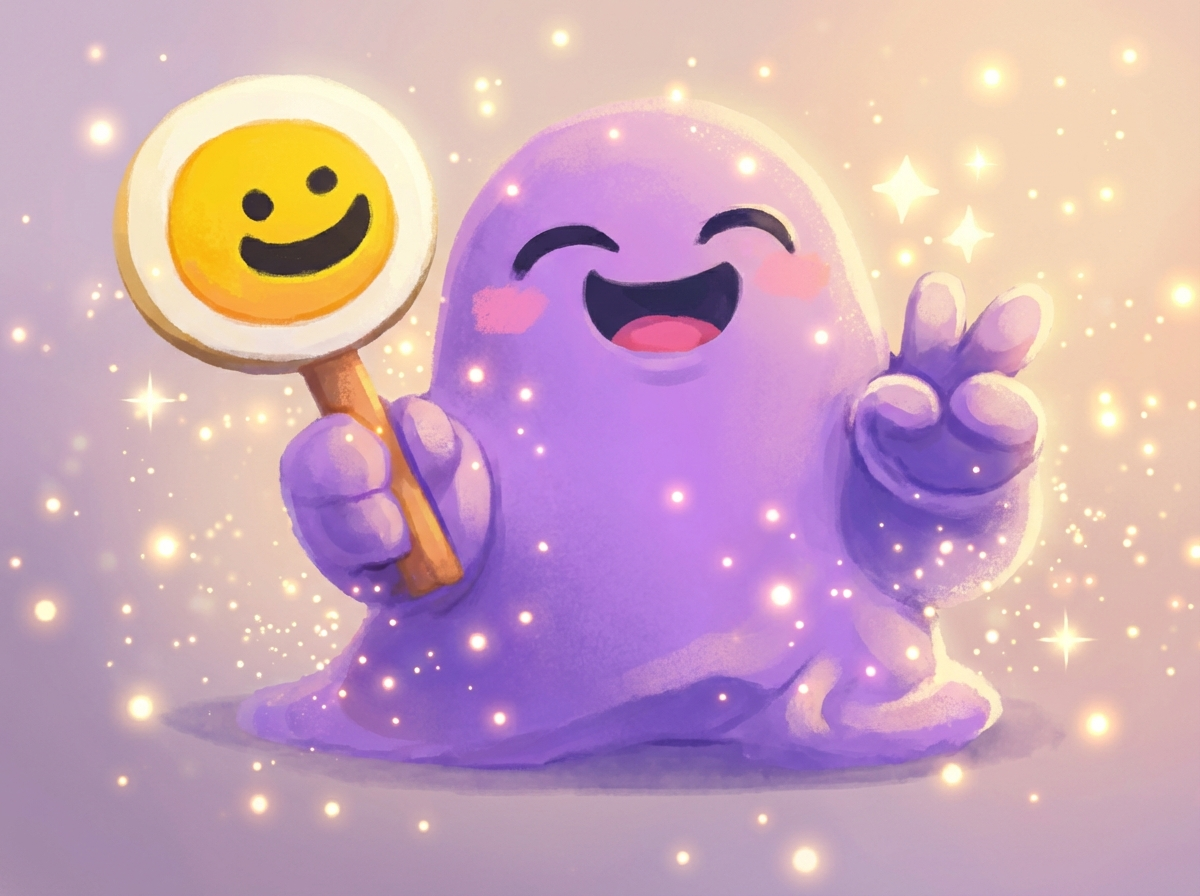
"Glimmers are cues of safety for the Ventral Vagal system. They are micro-moments of safety and connection that activate the relaxation response. Coined by Deb Dana, LCSW, they are the neurological opposite of 'triggers'."
In a world obsessed with identifying "triggers," 2026 is the year we start hunting for their opposite. While a trigger signals danger to your amygdala (activating fight-or-flight), a Glimmer is a tiny, often blink-and-you'll-miss-it moment that signals safety.
These aren't toxic positivity or grand gestures of happiness. They are biological cues that tell your nervous system, "You are safe. You can drop your shoulders now."
How to Spot Glimmers in Your Day
1. The 'Bakery Air' Effect (Olfactory Safety)
You know that moment when you walk past a bakery and something in you just... softens? That's a glimmer. The sudden smell of rain on hot concrete (petrichor).
Fresh laundry. Coffee brewing. Cut grass.
These aren't just 'nice smells'—they're biological interrupts.
Here's the wild part: scent is the only sense that bypasses your brain's logic center (thalamus) and goes straight to your emotional center (amygdala). That means a glimmer-smell can stop a stress spiral in milliseconds, before your thinking brain even registers what happened. Try this: Next time you're spiraling, inhale something that feels safe.
Not 'calming' in a generic way—something that YOUR nervous system associates with safety. For some people it's lavender. For others it's their grandmother's perfume or gasoline at a gas station.
Safety is personal.
2. The Perfect Sunbeam (Visual Anchoring)
Ever notice how your eyes get pulled toward certain things? Light filtering through tree leaves (dappled light). A rainbow in an oil slick puddle. A really satisfying shade of blue. A perfectly aesthetic latte art. These moments of visual beauty aren't just pleasant—they're your nervous system finding something to anchor to in the present moment. When you focus on a glimmer for even 30 seconds, you're essentially telling your body: 'Look, nothing is trying to eat us. We can relax.' Your heart rate slows. Your shoulders drop. Your breathing deepens. The next time you spot something beautiful, don't just notice it and keep scrolling. Stop. Let your eyes rest on it. Let your body absorb the signal: 'Right now, I'm safe.'
3. The 'Micro-Connection' (Social Resonance)
Humans are wired for co-regulation. We literally calm down in the presence of other calm nervous systems. Glimmers of connection can be tiny: A dog wagging its tail at you specifically (they chose YOU). The barista who remembers your order. Laughing at the same exact moment as a stranger. Overhearing a conversation and thinking 'same, honestly.' A baby staring at you on the subway. These micro-moments release oxytocin—the 'connection hormone'—which acts as a buffer against cortisol (stress). You don't need deep relationships to get glimmers. You need moments of felt connection, even with strangers. Pro tip: Make eye contact. Smile first. You'll create glimmers for other people AND collect them for yourself.
4. Training Your Brain to Find Them
Here's the problem: when you're anxious, your brain is literally scanning for threats. It's doing its job—keeping you alive—but it means you walk past dozens of glimmers without noticing. The fix is intentional practice. Start with just three glimmers a day. Before bed, write them down (or tell someone). They can be tiny: 'The way my cat stretched.' 'That one cloud that looked like a potato.' 'The bus came right when I got to the stop.' Over time, you're training your Reticular Activating System (RAS)—the brain's filter for what's important—to scan for safety instead of danger. You're not becoming delusional about the world's problems. You're becoming balanced—able to see both threat AND safety.
Scientific Context
According to Polyvagal Theory (developed by Dr. Stephen Porges and popularized by Deb Dana), our nervous system scans the environment 24/7 for cues of danger. This is called neuroception.
Triggers activate the Sympathetic Nervous System (mobilization/anxiety).
Glimmers activate the Ventral Vagal System (connection/safety).
When you intentionally look for glimmers, you are engaging your Reticular Activating System (RAS)-the bundle of nerves at your brainstem that filters out unnecessary information. By "teaching" your RAS to scan for safety instead of threats, you physically reshape your neural pathways to default to resilience rather than defensiveness.
Related Reading
Regulation shouldn't be work.
Trying to find glimmers when you are already anxious is hard. Your brain is tired. Nomie does the heavy lifting for you.
Visual Glimmers
Satisfying, looping animations of soft textures and light.
Haptic Glimmers
Gentle vibration patterns that mimic a cat's purr or a slow heartbeat.
Cognitive Glimmers
"Good News" cards that remind you of the world's safety.
By using Nomie for just 3 minutes, you outsource the work of your RAS, allowing the app to signal safety to your brain until you are ready to find it yourself.
Frequently Asked Questions
Can glimmers help with anxiety?
Yes, by repeatedly signaling safety to the ventral vagal system, glimmers help shift the nervous system away from a fight-or-flight state.
How do I find glimmers?
Start small-look for one tiny thing that feels 'okay' or 'safe' right now. Nomie's daily cards can help guide you.
What's the difference between glimmers and positive thinking?
Unlike forced positive thinking, glimmers are biological cues your body recognizes naturally. You don't have to convince yourself something is good-your nervous system feels it.
How many glimmers should I look for each day?
Start with noticing just 3 glimmers per day. Over time, you'll train your brain to spot them more easily. Quality matters more than quantity.
Can I create glimmers or do I have to find them?
Both! While glimmers often arise naturally, you can also intentionally create them-lighting a candle, playing a favorite song, or stepping outside for fresh air.
Continue Reading
View All PostsNomie vs Finch: Somatic AI Wellness or Virtual Pet Gamification?
Finch gamifies self-care with a virtual pet bird. Nomie calms your nervous system with somatic tools. Here's which approach actually fits your needs.
Anxiety Dizziness and Lightheadedness: Why It Happens and What Helps
Feeling dizzy during anxiety can be terrifying—but it’s usually a nervous-system + breathing effect, not a sign you’re about to faint. Learn common causes and how to steady yourself.
Anxiety Tingling and Numbness: Causes, Meaning, and How to Stop It
Pins and needles during anxiety can feel alarming—especially in hands, face, or lips. Learn why it happens (often breathing + adrenaline) and how to calm it down safely.