Phone Anxiety: Why Your Smartphone Is Stressing You Out (And What to Do About It)
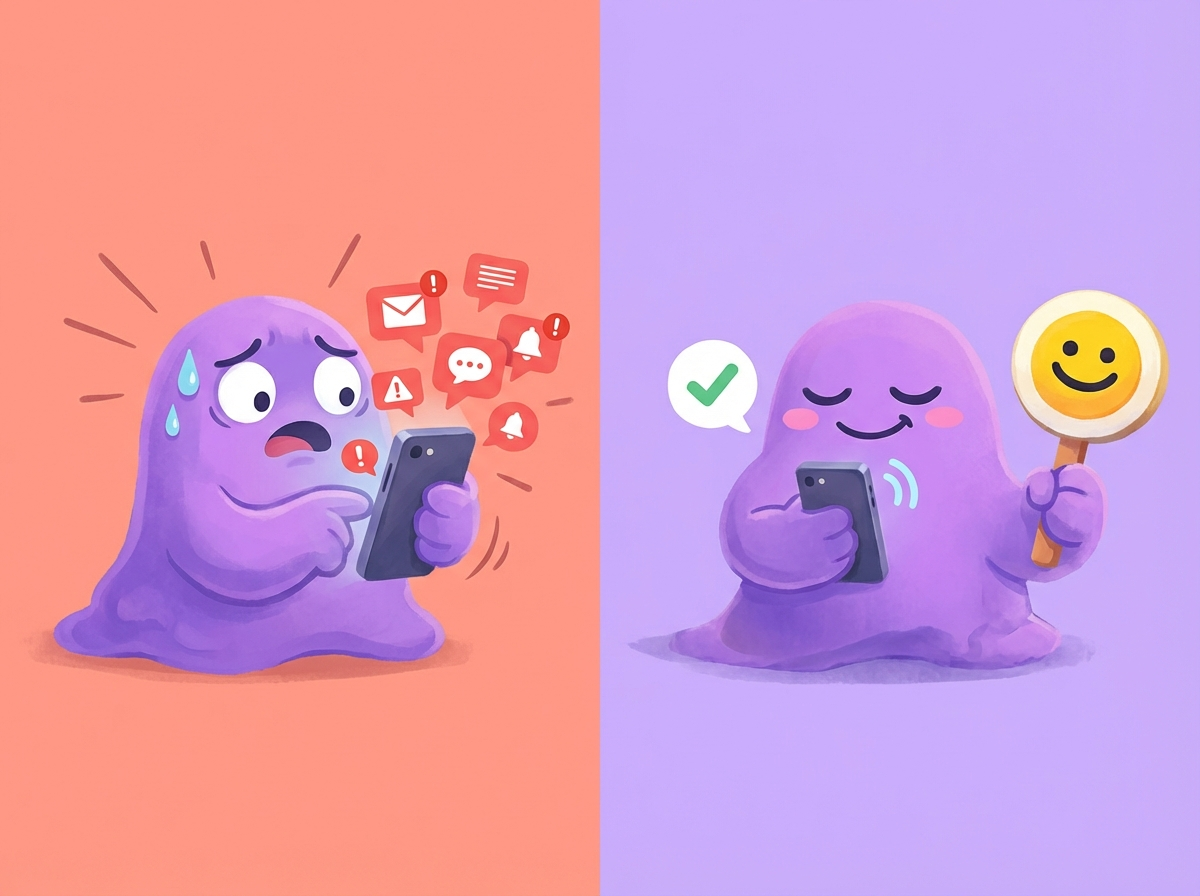
"Phone anxiety encompasses the stress, compulsion, and nervous system dysregulation caused by smartphone use, including notification anxiety, FOMO, comparison spirals, and the physical symptoms of digital overstimulation."
Here's a paradox of modern life: the device designed to connect us, inform us, and make life easier has become a primary source of anxiety for millions of people.
Phone anxiety is real. It shows up as the compulsive need to check notifications, the spike of stress when your phone buzzes, the low-grade dread of opening certain apps, and the strange guilt when your screen time report arrives.
This isn't weakness or lack of willpower. Your phone is designed by teams of engineers whose literal job is to capture and hold your attention. Your nervous system is responding rationally to irrational design.
This guide explains why your phone stresses you out and what you can actually do about it-without throwing your iPhone in the ocean.
The Science of Phone Anxiety
Your Phone Hijacks Your Threat Detection
Every notification is a tiny 'what if?' What if it's important? What if I'm missing something? What if someone needs me? Your amygdala treats each ping as potential threat, triggering micro-doses of cortisol and adrenaline. Multiply this by the average 96 phone pickups per day, and you have a nervous system in constant low-grade alert.
Variable Rewards: The Slot Machine in Your Pocket
Social media apps use 'variable reward schedules'-the same psychological mechanism that makes gambling addictive. Sometimes you open Instagram and see something great. Sometimes it's boring. The unpredictability keeps you checking. Your dopamine system gets hijacked, creating compulsion without satisfaction.
Social Comparison on Steroids
Humans have always compared themselves to others-it's evolutionarily useful. But we evolved for comparison with ~150 people (our tribe). Now we compare ourselves to thousands of curated highlight reels. The result: chronic inadequacy feelings that your brain processes as social threat. No wonder you feel anxious after scrolling.
The Physical Symptoms Are Real
Phone anxiety isn't 'just in your head.' Common physical symptoms include: neck and shoulder tension ('tech neck'), eye strain and headaches, disrupted sleep (blue light suppresses melatonin), elevated resting heart rate, shallow breathing while scrolling, and the 'phantom vibration' phenomenon.
Practical Solutions That Actually Work
1) Notification audit: Turn off ALL non-essential notifications. Keep only calls and texts from real humans. 2) Grayscale mode: Color triggers dopamine. Grayscale makes your phone boring. 3) Remove social apps from home screen: Add friction between impulse and action. 4) Scheduled check-ins: Check email/social at set times, not constantly. 5) Replacement behavior: When the urge to scroll hits, have something else ready (Nomie, a fidget, 3 deep breaths).
The Deeper Fix: Nervous System Regulation
Surface-level solutions (app limits, screen time restrictions) often fail because they don't address why you reach for your phone. Usually, it's to regulate an uncomfortable feeling-boredom, anxiety, loneliness, restlessness. The real solution is building other ways to meet those needs. A regulated nervous system doesn't crave the phone the same way.
Scientific Context
Research published in the Journal of Social and Clinical Psychology found a causal link between social media use and decreased well-being. Participants who limited social media to 30 minutes per day showed significant reductions in loneliness and depression over three weeks. Studies on notification anxiety show that even the anticipation of notifications activates stress responses (Kushlev & Dunn, 2015).
Related Reading
Regulation shouldn't be work.
Here's the uncomfortable truth: telling an anxious phone user to 'just put down your phone' is like telling an insomniac to 'just sleep.' The craving exists for a reason.
Nomie takes a different approach. Instead of fighting your phone habit, we redirect it. When you feel the pull to scroll, Nomie gives your nervous system what it's actually looking for-regulation, stimulation, connection-without the anxiety-inducing design patterns of social media.
It's not about using your phone less. It's about using it better.
Frequently Asked Questions
Is phone anxiety a real disorder?
Phone anxiety isn't a formal diagnosis, but the symptoms are very real. It often overlaps with generalized anxiety, social anxiety, and attention difficulties. If phone-related stress significantly impacts your daily life, consider speaking with a mental health professional.
How do I know if I have phone anxiety?
Signs include: checking your phone within minutes of waking, feeling anxious when your phone isn't nearby, physical stress symptoms when you see certain apps, difficulty being present due to phone thoughts, and using your phone to avoid uncomfortable feelings.
Should I do a digital detox?
Digital detoxes can provide temporary relief, but they don't build sustainable habits. Most people return to old patterns after the detox ends. Better to build new, healthier phone habits you can maintain long-term.
Why do I feel more anxious AFTER using my phone?
Several reasons: social comparison triggers inadequacy, doom content activates threat responses, shallow content leaves you unsatisfied, and the nervous system 'crash' after dopamine stimulation. Your body is telling you something about how you're using the device.
Continue Reading
View All PostsNomie vs Finch: Somatic AI Wellness or Virtual Pet Gamification?
Finch gamifies self-care with a virtual pet bird. Nomie calms your nervous system with somatic tools. Here's which approach actually fits your needs.
Anxiety Dizziness and Lightheadedness: Why It Happens and What Helps
Feeling dizzy during anxiety can be terrifying—but it’s usually a nervous-system + breathing effect, not a sign you’re about to faint. Learn common causes and how to steady yourself.
Anxiety Tingling and Numbness: Causes, Meaning, and How to Stop It
Pins and needles during anxiety can feel alarming—especially in hands, face, or lips. Learn why it happens (often breathing + adrenaline) and how to calm it down safely.