Managing Digital Overstimulation in an Always-On World.
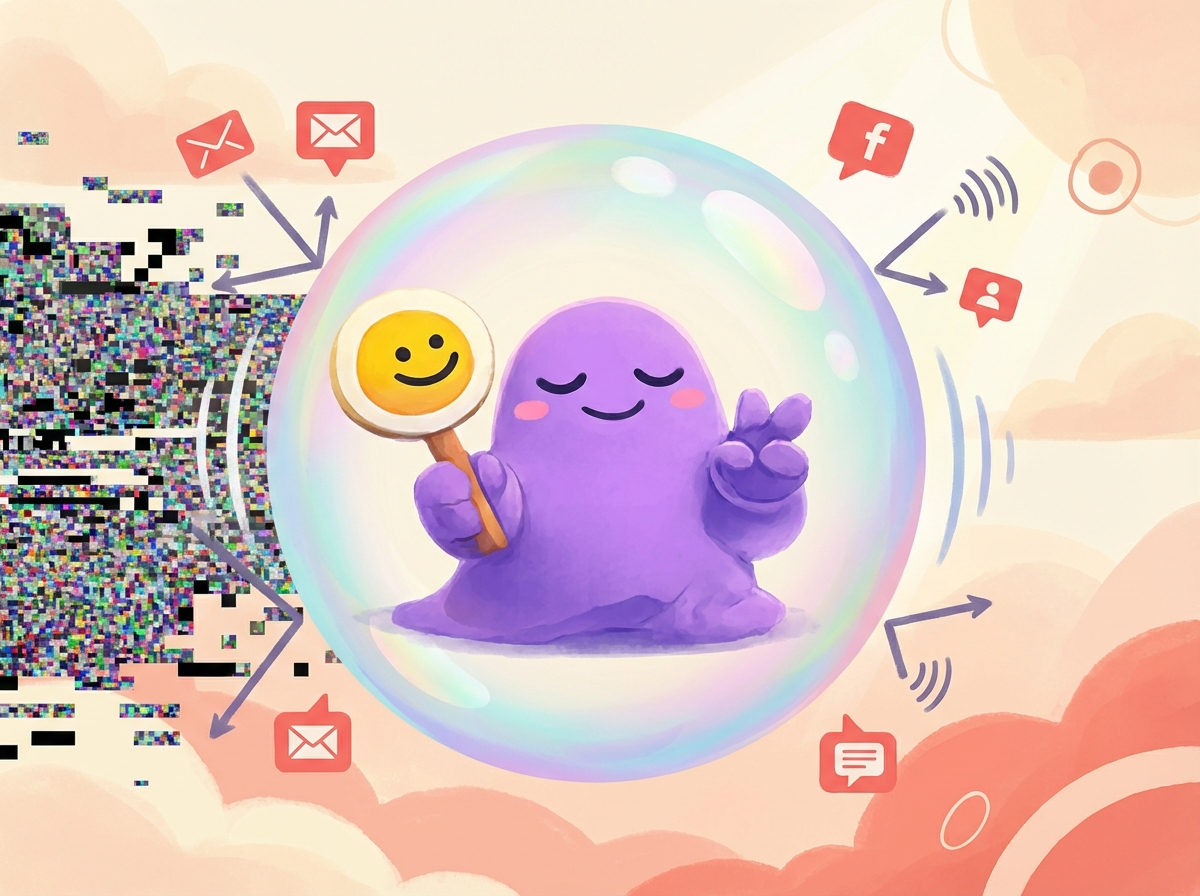
"Digital overstimulation happens when digital input exceeds the nervous system's capacity. Often, we need a 'Somatic Reset' rather than just a detox to release pent-up energy."
Sensory Reset Techniques
Recognizing Overstimulation (It's Not What You Think)
Overstimulation doesn't always feel like 'too much.' Sometimes it feels like irritability—snapping at people for tiny things. Sometimes it feels like exhaustion—wired but tired, unable to relax despite being depleted. Sometimes it feels like a strange restlessness, like your skin doesn't fit right. And sometimes it feels like nothing at all—numbness, zoning out, complete emotional flatness. This is your nervous system hitting its limit and either revving up (sympathetic overload) or shutting down (dorsal vagal collapse). Both are responses to more input than your system can process. The modern world delivers more sensory information in a single day than our ancestors encountered in a month. No wonder your brain is overwhelmed.
Why Digital Detoxes Usually Fail
Here's why 'just put your phone down' doesn't work for most people: when you're overstimulated, your nervous system has built up energy that needs to go somewhere. It's like shaking a soda bottle—you can't just set it down and expect the pressure to disappear. That energy needs release. Digital detoxes fail because they remove stimulation without providing discharge. You feel MORE uncomfortable at first, so you pick the phone back up for relief. The solution isn't less input—it's different input. Specifically, input that helps your nervous system discharge and regulate instead of accumulate more tension.
Somatic Discharge: Let Your Body Release the Tension
Your body knows how to release stress—it just needs permission. Animals do this naturally: a dog shakes after a stressful encounter, a bird ruffles its feathers. Humans suppress these instincts because they look 'weird.' But they work. Try: shaking your hands rapidly for 30 seconds, letting your whole body bounce and wiggle. Try: squeezing your fists as tight as possible for 5 seconds, then releasing completely. Try: sighing loudly, letting sound come out on the exhale. Try: digital fidgets—popping virtual bubble wrap, manipulating satisfying textures, repetitive tapping patterns. These aren't distractions. They're intentional somatic discharge—giving your body a way to release the accumulated tension instead of just suppressing it.
The Sensory Replacement Technique
When you're overstimulated, your brain is craving input—but it's gotten stuck on the WRONG kind of input. Instead of removing all stimulation (which feels terrible), replace chaotic input with regulating input. Trade scrolling for: something tactile (a fidget, putty, or textured object), something rhythmic (tapping, rocking, or bilateral movement), something cold (ice on your wrists or cold water on your face), something grounding (bare feet on floor, back against wall, weighted blanket). The key is that regulating input is predictable, rhythmic, and body-based. It gives your nervous system something to anchor to without adding more chaos.
The 2-Minute Sensory Reset
When you notice overstimulation building (or realize you've been scrolling for way too long), try this reset: First 30 seconds: Close your eyes. Take three slow breaths with long exhales. Next 30 seconds: Feel your feet on the floor. Press them down. Notice the pressure. Next 30 seconds: Shake out your hands rapidly. Let them be floppy and weird. Final 30 seconds: Hum or sigh audibly. Let your jaw relax. Total time: 2 minutes. The goal isn't to feel amazing—it's to interrupt the overstimulation loop and bring your nervous system back into your body. You might need to do this several times a day. That's okay. You're building a skill.
Scientific Context
Studies show that constant digital interruptions can lower effective IQ and lead to chronic sensory overload.
Related Reading
Regulation shouldn't be work.
Nomie's 'Pop-It' feature and digital fidgets are designed for 'somatic discharge,' allowing you to release stress in a way that 'boring' detoxes can't match.
Frequently Asked Questions
How do I know if I'm overstimulated?
Signs include feeling 'wired but tired,' irritability, and a physical need to 'move' or 'release' energy (somatic discharge).
Why don't digital detoxes work for me?
Digital detoxes often fail because they're passive-they remove stimulation without providing replacement regulation. Your nervous system needs active discharge, not just absence of input.
What's the difference between overstimulation and anxiety?
They often overlap but aren't identical. Overstimulation is specifically about sensory input exceeding capacity. Anxiety can occur without overstimulation and vice versa-though one frequently triggers the other.
How can I help my overstimulated child?
Children benefit from the same somatic tools as adults: rhythmic movement, pressure (like weighted blankets), reduced visual/auditory input, and fidget toys that provide regulated sensory input.
Is it bad to need constant stimulation?
Not inherently-some brains genuinely need more input to feel regulated. The key is choosing stimulation that regulates rather than dysregulates. Nomie's fidgets provide stimulation without the cortisol spike.
Continue Reading
View All PostsNomie vs Finch: Somatic AI Wellness or Virtual Pet Gamification?
Finch gamifies self-care with a virtual pet bird. Nomie calms your nervous system with somatic tools. Here's which approach actually fits your needs.
Anxiety Dizziness and Lightheadedness: Why It Happens and What Helps
Feeling dizzy during anxiety can be terrifying—but it’s usually a nervous-system + breathing effect, not a sign you’re about to faint. Learn common causes and how to steady yourself.
Anxiety Tingling and Numbness: Causes, Meaning, and How to Stop It
Pins and needles during anxiety can feel alarming—especially in hands, face, or lips. Learn why it happens (often breathing + adrenaline) and how to calm it down safely.