15 Analog Hobbies for Anxiety That Actually Work (No Screens Required)
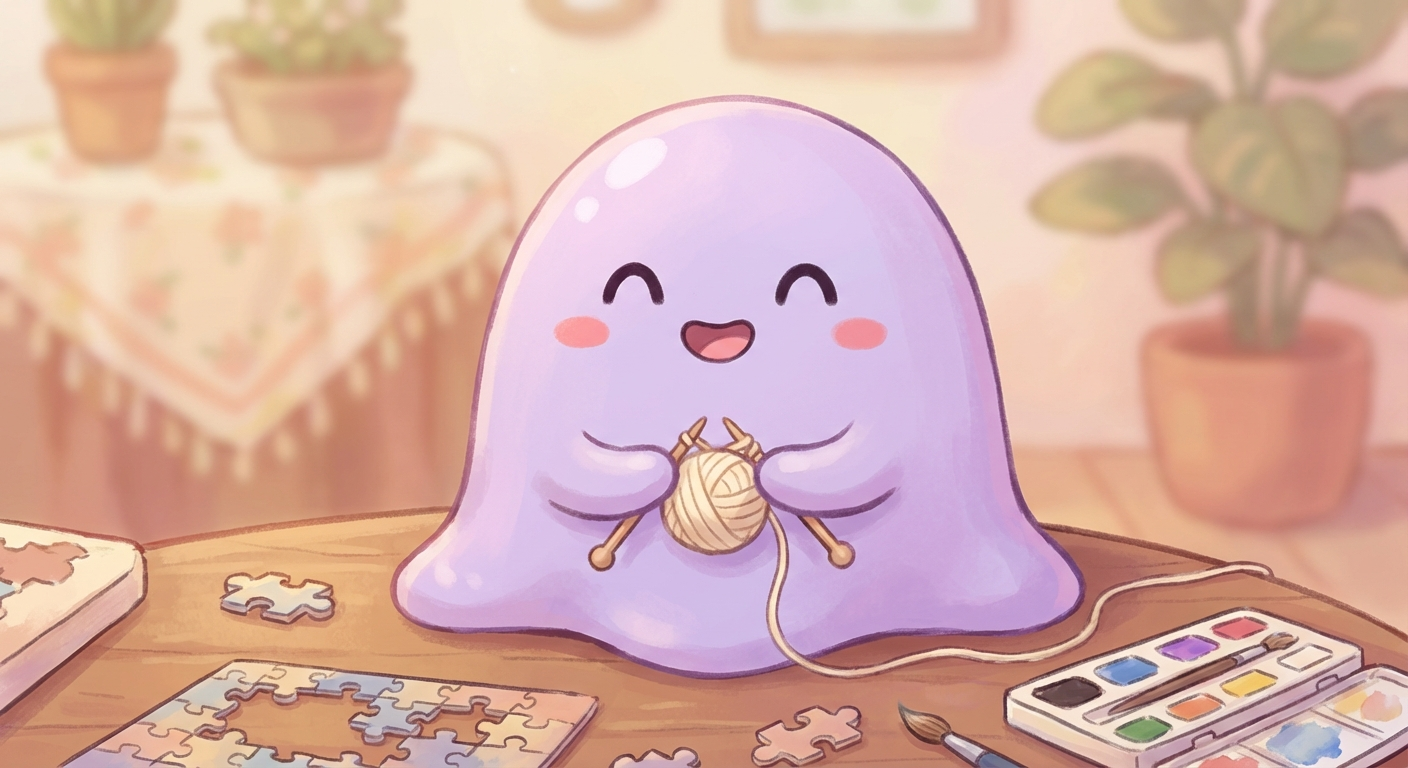
"Analog hobbies are screen-free activities that engage the hands and mind, activating the parasympathetic nervous system through repetitive motion, tactile engagement, and flow states to reduce anxiety."
There's a quiet rebellion happening. While AI generates endless content and algorithms fight for your attention, millions of people are picking up knitting needles, jigsaw puzzles, and analog cameras.
Analog hobby searches have increased 136% in the past six months. And it's not nostalgia—it's neuroscience.
This guide explores 15 analog hobbies that actually reduce anxiety, why they work (backed by research), and how to find the one that fits your brain.
Why Analog Hobbies Calm Anxiety
The Science Behind Screen-Free Calm
Your nervous system doesn't know the difference between a work email and a tiger. Both trigger the same fight-or-flight response. Analog hobbies work through three mechanisms: Bilateral stimulation (activities like knitting engage both sides of your body in rhythmic patterns, activating the parasympathetic nervous system), flow states (when your hands are busy with something moderately challenging, your brain enters a flow state that crowds out anxious thoughts), and tangible completion (concrete, visible progress gives your brain the 'done' signal it craves).
For Racing Thoughts: Focus-Intensive Hobbies
Jigsaw puzzles require visual focus that crowds out verbal anxiety—meditative without requiring meditation skills. Cross-stitch and embroidery occupy the verbal mind through counting stitches while triggering the relaxation response through repetitive motion. Model building provides hours of focused, low-stakes problem-solving with detailed instructions that provide structure for anxious minds.
For Physical Tension: Hands-On Hobbies
Pottery and clay work engage hands to release physical anxiety stored in the body through grounding tactile sensation. Bread making offers rhythmic kneading that's physically releasing, with a warm sensory-rich activity and edible reward. Woodworking or whittling channels physical exertion into creation, with focus that prevents rumination.
For Emotional Processing: Expressive Hobbies
Analog journaling slows thoughts through handwriting and deepens processing, externalizing worries to get them out of your head. Painting or drawing bypasses overthinking through non-verbal expression, with no 'right answer' to reduce performance anxiety. Playing an instrument combines bilateral hand coordination with auditory feedback—it's hard to think while playing.
For Overwhelm: Slow, Meditative Hobbies
Knitting or crocheting lowers cortisol up to 50% through repetitive motion while producing something useful. Gardening combines physical activity, nature, and nurturing—grounding is literal with hands in soil. Adult coloring books offer a low barrier to entry with structured creativity that avoids decision fatigue.
Scientific Context
Research shows that activities like knitting reduce cortisol by up to 50% and engage the same neural pathways as meditation. Bilateral movement activates the parasympathetic nervous system—the same principle behind EMDR therapy for trauma.
Related Reading
Regulation shouldn't be work.
Here's the thing: going fully analog isn't realistic for most people. And it doesn't have to be. The goal isn't to abandon technology—it's to create intentional offline pockets that regulate your nervous system.
Some people use apps like Nomie to track their mood before and after analog hobby time. Others use it as a bridge—when the urge to scroll hits but you can't access your hobby, Nomie provides somatic tools that offer similar nervous system benefits in the moment.
Frequently Asked Questions
Why do analog hobbies help with anxiety?
Analog hobbies activate the parasympathetic nervous system through repetitive motion, tactile engagement, and flow states. Research shows that activities like knitting reduce cortisol by up to 50% and engage the same neural pathways as meditation. Unlike screen-based activities, analog hobbies don't trigger the dopamine-seeking behavior associated with social media anxiety.
What's the best analog hobby for someone with anxiety?
The best analog hobby depends on your anxiety type. For racing thoughts, try puzzles or cross-stitch (requires focus). For physical tension, try pottery or bread-making (engages hands). For social anxiety, try solo activities like journaling or painting. Start with something low-commitment and inexpensive to avoid adding pressure.
How long should I spend on analog hobbies to reduce anxiety?
Research suggests 20-30 minutes of focused analog activity can significantly reduce cortisol levels. However, even 10-minute sessions provide benefits. The key is consistency rather than duration—daily short sessions are more effective than occasional long ones.
Continue Reading
View All PostsNomie vs Finch: Somatic AI Wellness or Virtual Pet Gamification?
Finch gamifies self-care with a virtual pet bird. Nomie calms your nervous system with somatic tools. Here's which approach actually fits your needs.
Anxiety Dizziness and Lightheadedness: Why It Happens and What Helps
Feeling dizzy during anxiety can be terrifying—but it’s usually a nervous-system + breathing effect, not a sign you’re about to faint. Learn common causes and how to steady yourself.
Anxiety Tingling and Numbness: Causes, Meaning, and How to Stop It
Pins and needles during anxiety can feel alarming—especially in hands, face, or lips. Learn why it happens (often breathing + adrenaline) and how to calm it down safely.