Self-Soothing Techniques for Adults: How to Calm Your Nervous System
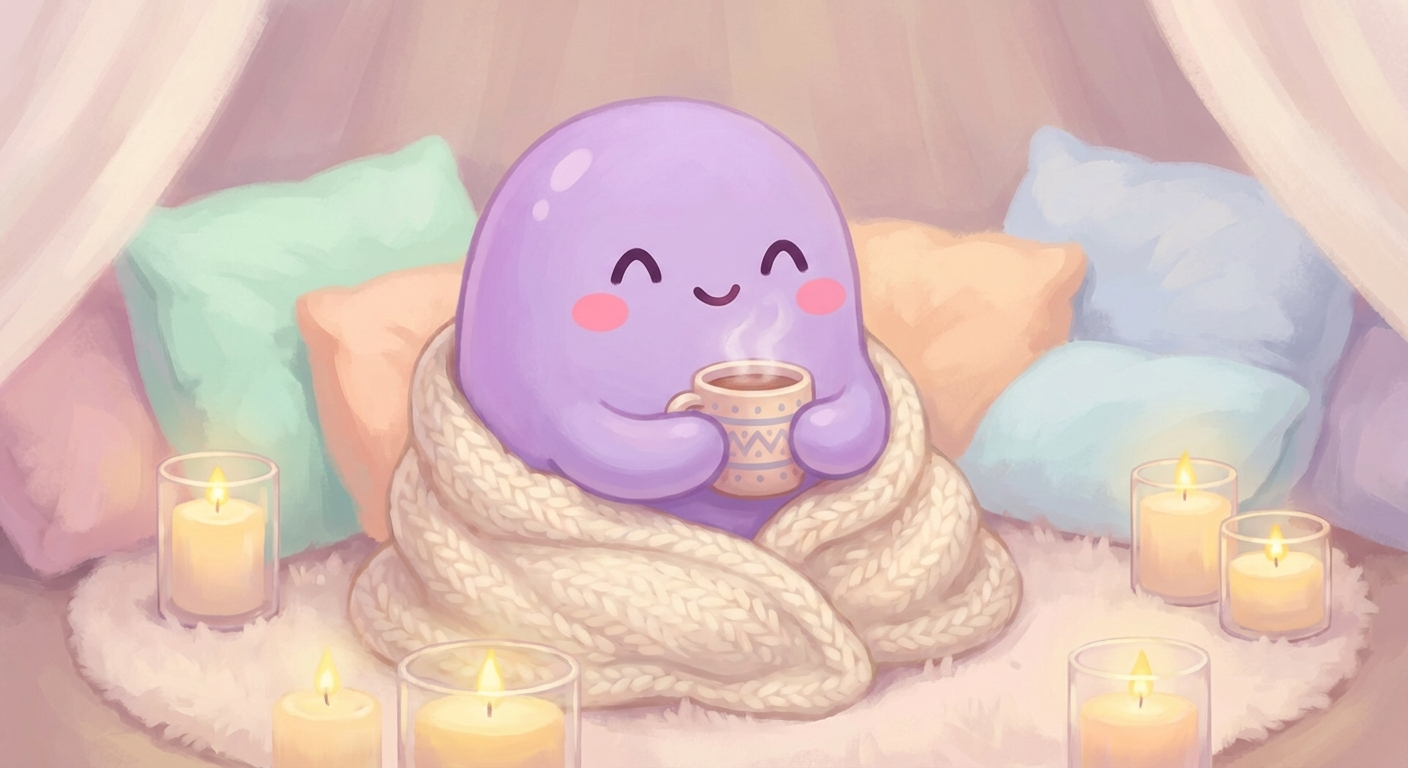
"Self-soothing refers to the ability to calm yourself during emotional distress through sensory, physical, or cognitive techniques—a core emotional regulation skill that can be developed and strengthened at any age."
Somewhere along the way, many of us got the message that needing comfort was childish. That adults should be able to think their way through difficult emotions. That self-soothing was for babies with blankets, not grown-ups with jobs.
This is terrible advice that ignores how nervous systems actually work.
Your body doesn't stop needing regulation just because you turned 18. Stress still activates your sympathetic nervous system. Distress still needs discharge. And when you're dysregulated, no amount of logical thinking will calm a body that's in threat mode.
Self-soothing is a legitimate skill—and adults who develop it handle stress better, recover from setbacks faster, and maintain emotional equilibrium in challenging situations. This guide covers techniques that work for adult bodies and adult lives.
Building Your Self-Soothing Toolkit
Why Adults Need Self-Soothing
Self-soothing is a core component of emotional regulation. Without it, you're dependent on external sources—other people, substances, circumstances—to calm you down. That's a vulnerable position.
Your nervous system needs input to regulate. When you're stressed, your sympathetic nervous system (fight-or-flight) is activated. To shift back to the parasympathetic (rest-and-digest), you need to provide signals of safety. Self-soothing techniques are those signals.
Thinking alone doesn't work. When highly activated, your prefrontal cortex (reasoning brain) goes partially offline. That's why telling yourself to "calm down" rarely works. You need body-based interventions first.
Self-soothing builds resilience. Every time you successfully calm yourself, you strengthen the neural pathways that allow regulation. Over time, you become genuinely more resilient—not through willpower, but through practice.
Sensory Self-Soothing: The Five Senses
Your senses are direct pathways to your nervous system. Use them intentionally for calm.
Touch: Weighted blankets activate deep pressure receptors that trigger relaxation. Self-massage (hands, feet, temples) provides grounding. Holding something with interesting texture gives anxious hands occupation. Hot or cold—experiment with which your body responds to better.
Sound: Certain music reliably calms you (create a playlist). Nature sounds activate safety responses. Humming or singing stimulates the vagus nerve. White or brown noise can quiet an overactive mind.
Smell: Scents like lavender, chamomile, or vanilla are associated with relaxation (though individual responses vary). The act of deliberately breathing in a pleasant scent also encourages slow breathing.
Taste: Warm drinks (especially decaf) are physically soothing. Something with intense flavor (sour, mint) can interrupt dissociation or panic. Eating slowly and mindfully activates rest-and-digest.
Sight: Soft, warm lighting rather than harsh fluorescents. Nature visuals (even through a window or on screen). Decluttered environments reduce visual stress. Looking at photos of loved ones or safe places.
Physical Self-Soothing
Your body holds and releases emotion. Movement and physical care are powerful regulators.
Breathing techniques: Extended exhales (longer out than in) activate the parasympathetic system. The physiological sigh (two quick inhales, long exhale) is particularly effective. Box breathing provides structure when you're spiraling.
Temperature regulation: Cold water on wrists or face triggers the dive reflex, slowing heart rate. A warm bath or shower relaxes muscles holding tension. Alternating temperatures can reset a stuck system.
Movement: Shake it out—literally shake your hands, arms, whole body. Somatic exercises designed to discharge stored tension. Gentle stretching, especially areas where you hold stress (jaw, shoulders, hips). Walking, especially in nature.
Self-touch: Placing a hand on your heart activates oxytocin release. Hugging yourself (cross arms, hold shoulders) provides containment. Gentle pressure or tapping on various body parts.
Rest positions: Lying with legs up a wall promotes calm. The fetal position provides a sense of containment. Weighted items on chest or lap offer grounding pressure.
Cognitive Self-Soothing
Once you've addressed the body, cognitive techniques can reinforce calm.
Self-compassion phrases: "This is hard, and it will pass." "I'm doing my best with what I have." "It's okay to feel this way." Research shows self-compassion reduces cortisol more effectively than self-criticism.
Grounding statements: "I am safe right now." "I am [your name], and I am in [location], on [day]." Orienting yourself in reality counters dissociation and catastrophic future-thinking.
Reframing support: Not toxic positivity, but perspective. "This is uncomfortable, not dangerous." "I've survived hard things before." "Feelings are temporary states, not permanent conditions."
Mental imagery: Visualize a safe place in detail—where you feel completely at ease. Some people imagine a protective bubble around themselves. Others visualize tension leaving their body as a color or smoke.
Postponement: "I will worry about this at 9 AM tomorrow." Giving worries a scheduled time can allow present-moment release.
Building Your Personal Soothing Menu
Not every technique works for every person. Build a personalized menu through experimentation.
Try things when you're NOT in crisis: Test techniques during mild stress first. You won't have bandwidth to learn new skills during a panic attack.
Notice what your body craves: When dysregulated, what do you want? Movement or stillness? Warmth or cool? Pressure or lightness? These instincts often point toward what will help.
Create a written list: When you're dysregulated, memory and decision-making decline. Having a physical or phone-based list of "what helps" means you don't have to figure it out in the moment.
Layer techniques: Often multiple techniques combined work better than one alone. Breathing + pressure + calming music. Hot tea + soft lighting + safe place visualization.
Update based on results: Track what actually helps. You might think something "should" work but notice it doesn't. Let data guide your toolkit refinement.
When Self-Soothing Isn't Enough
Self-soothing is one tool in a larger emotional regulation toolkit. Know its limits.
It doesn't replace connection: Humans are co-regulating creatures. Sometimes you need another person's presence to truly settle. Self-soothing bridges gaps but doesn't eliminate the need for relationships.
It doesn't address root causes: Self-soothing helps you manage in the moment. If the same triggers keep activating you, you may need to address underlying patterns through therapy, life changes, or other interventions.
It can become avoidance: If you're self-soothing to avoid ever feeling difficult emotions, that's a problem. The goal is to regulate enough to be with emotions, not to eliminate them entirely.
Some distress needs professional support: Trauma, grief, depression, severe anxiety—these may require more than personal coping skills. Self-soothing supports professional treatment but doesn't replace it.
When anxiety persists, that's information. Consider whether therapy, lifestyle changes, or medical consultation might be appropriate alongside self-soothing practices.
Scientific Context
Self-soothing techniques draw from polyvagal theory, DBT (Dialectical Behavior Therapy), somatic therapy, and attachment research. The effectiveness of sensory and body-based regulation is well-documented in psychological and neuroscience literature.
Related Reading
Regulation shouldn't be work.
Your phone can be a self-soothing tool or an anxiety amplifier—it depends what you do with it. Nomie is designed for the former.
Haptic breathing exercises turn your phone into a tactile calming device. Digital fidgets give anxious energy somewhere to go. Soothing soundscapes and sensory experiences provide the nervous system input you need.
When you need to self-soothe, reach for something that actually helps.
Frequently Asked Questions
Is self-soothing the same as self-care?
They're related but different. Self-care is the broad practice of maintaining your wellbeing (sleep, nutrition, boundaries, etc.). Self-soothing is specifically calming yourself during emotional distress. Self-care is preventive maintenance; self-soothing is in-the-moment intervention. Both are important.
Why do I feel silly trying self-soothing techniques?
Many adults were taught that needing comfort is childish or that strong people don't need soothing. This is cultural conditioning, not biology. Your nervous system works the same whether you're 5 or 50. Feeling silly usually fades once you experience the techniques actually helping. Start with subtle techniques if more visible ones feel uncomfortable.
Can I become too dependent on self-soothing?
Self-soothing becomes problematic if you use it to avoid emotions entirely rather than regulate enough to process them, or if it replaces necessary actions (like addressing a real problem). Healthy self-soothing helps you return to a regulated state from which you can engage with life—it doesn't keep you permanently numbed out.
What if nothing seems to work?
If standard techniques don't help, consider: 1) You might need higher-intensity intervention (professional support). 2) You might be using the wrong techniques for your nervous system (experiment more). 3) You might be trying during crisis when you need to practice during mild stress first. 4) There may be underlying conditions (trauma, clinical anxiety) that require specialized treatment.
Continue Reading
View All PostsNomie vs Finch: Somatic AI Wellness or Virtual Pet Gamification?
Finch gamifies self-care with a virtual pet bird. Nomie calms your nervous system with somatic tools. Here's which approach actually fits your needs.
Anxiety Dizziness and Lightheadedness: Why It Happens and What Helps
Feeling dizzy during anxiety can be terrifying—but it’s usually a nervous-system + breathing effect, not a sign you’re about to faint. Learn common causes and how to steady yourself.
Anxiety Tingling and Numbness: Causes, Meaning, and How to Stop It
Pins and needles during anxiety can feel alarming—especially in hands, face, or lips. Learn why it happens (often breathing + adrenaline) and how to calm it down safely.