Polyvagal Theory Explained: Understanding Your Nervous System
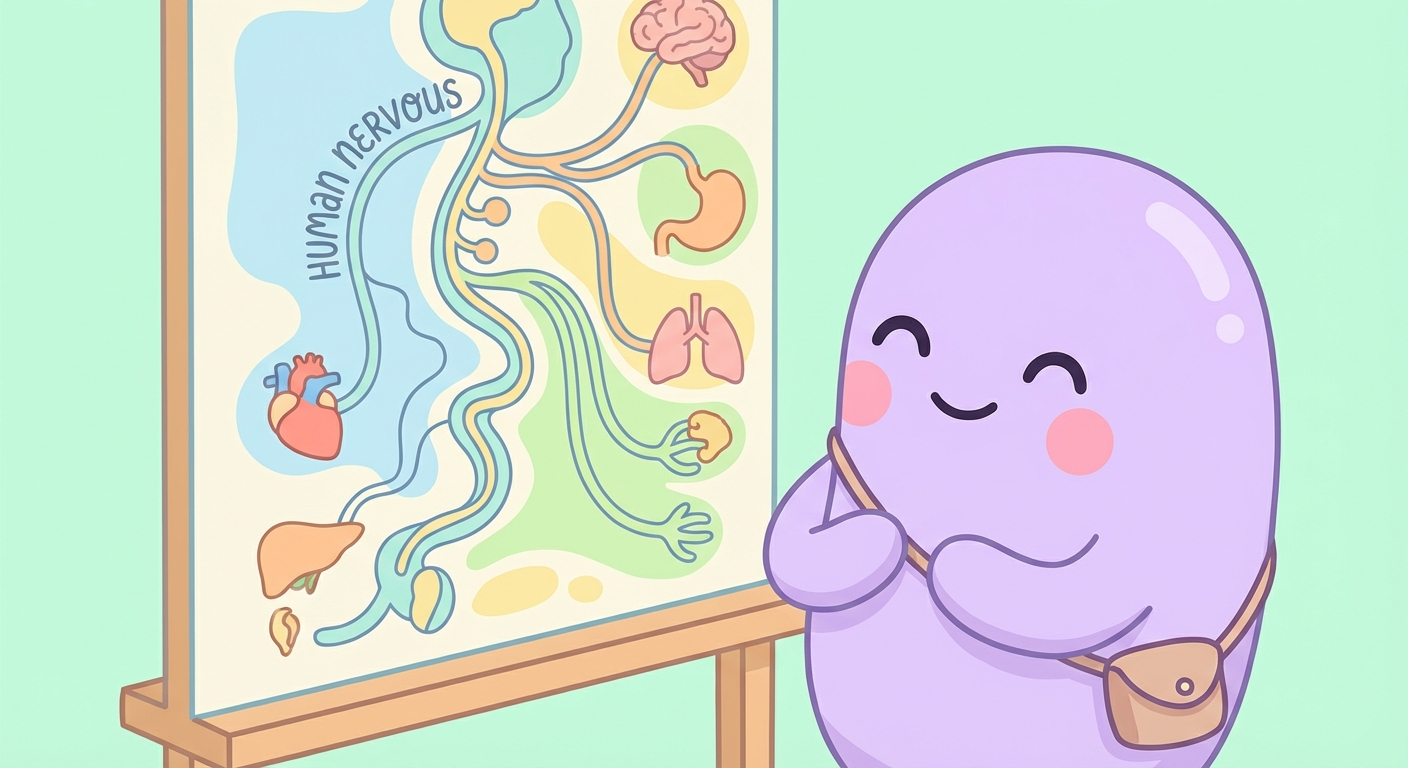
"Polyvagal theory explains how your nervous system constantly scans for safety or danger, and how different states (safe, fight/flight, shutdown) affect your emotions and behavior."
Ever wonder why you sometimes freeze during stressful situations instead of taking action? Or why certain people immediately make you feel safe while others put you on edge—before they even speak?
Polyvagal theory explains it all. Developed by neuroscientist Dr. Stephen Porges, this framework reveals how your nervous system constantly scans your environment for safety or danger, and automatically shifts your body into different states in response.
Understanding polyvagal theory isn't just academic—it's practical. Once you know how your nervous system works, you can actively guide it back to safety when it gets stuck in stress or shutdown modes. This knowledge transforms how you approach grounding techniques and somatic exercises.
Understanding Polyvagal Theory
The Three States of Your Nervous System
Your autonomic nervous system operates in three main states.
Ventral Vagal (Safe & Social) is your baseline 'rest and digest' mode. In this state, you feel calm, connected, and present. You're open to social engagement and capable of clear thinking and creativity.
Sympathetic (Fight or Flight) is when you're mobilized for action. You might feel anxiety, anger, or panic. Your heart races, breathing becomes shallow, and you're constantly scanning for threats.
Dorsal Vagal (Freeze/Shutdown) is your immobilized, collapsed state. You experience numbness, dissociation, or depression. It's essentially a 'playing dead' response—an ancient energy conservation mode.
Your body moves between these states constantly, usually without your conscious awareness.
Neuroception: Your Subconscious Safety Scanner
Dr. Porges coined the term neuroception to describe how your nervous system scans for safety—below the level of conscious awareness.
Your body is constantly reading cues: facial expressions, tone of voice, body language, environmental sounds, and more. Based on this data, it decides whether you're safe (ventral vagal), threatened (sympathetic), or in mortal danger (dorsal vagal).
This explains gut feelings—your nervous system detected something before your conscious mind caught up.
The Vagus Nerve: Your Body's Safety Highway
The vagus nerve is the longest cranial nerve, running from your brainstem to your gut. It's the main highway of your parasympathetic (calming) nervous system.
Polyvagal theory distinguishes between two branches. The ventral vagus is the newer, myelinated branch responsible for social engagement and calm. The dorsal vagus is the older, unmyelinated branch that triggers shutdown and freeze responses.
Building vagal tone—the strength of your vagus nerve's braking power—helps you recover from stress faster and stay in the safe/social state longer. Somatic exercises are one of the best ways to strengthen vagal tone.
Why This Matters for Anxiety
Traditional approaches treat anxiety as a thinking problem. Polyvagal theory reveals it's actually a body problem that creates thinking symptoms.
When your neuroception detects threat (real or perceived), your nervous system shifts into sympathetic mode. Your anxious thoughts are the result of this shift, not the cause. This also explains why overthinking at night is so hard to control with thoughts alone.
This is why thought-based interventions (like positive affirmations) often fail—they're talking to the wrong system. Body-first approaches like somatic exercises that signal safety to your nervous system are often more effective.
How to Apply Polyvagal Theory
Once you understand the states, you can start working with your nervous system instead of against it.
First, name your state. Simply saying 'I'm in sympathetic' creates distance from the experience and engages your thinking brain.
Second, use state-appropriate interventions. If you're in sympathetic mode, discharge that mobilized energy through shaking, walking, or cold water. If you're in dorsal shutdown, start with gentle movement, warmth, or co-regulation with another person.
Third, build safety cues into your environment through warm lighting, soft textures, and comforting sounds. These glimmers signal safety to your nervous system.
Fourth, practice co-regulation by being with safe people whose calm nervous systems can influence yours.
Finally, build vagal tone through breath work, cold exposure, humming, and social connection.
Scientific Context
Polyvagal theory was developed by Dr. Stephen Porges at the University of Illinois Chicago. His research has been published extensively in peer-reviewed journals and has transformed trauma treatment approaches worldwide.
Related Reading
Regulation shouldn't be work.
Nomie is built on polyvagal principles. Instead of trying to think your way out of anxiety, Nomie provides body-first tools that speak directly to your nervous system.
The app helps you identify which state you're in, then offers appropriate interventions: breathing exercises to discharge sympathetic energy, gentle haptic feedback to create safety cues, co-regulating AI that feels like connecting with a calm presence, and glimmers designed to activate your ventral vagal system.
It's polyvagal theory in your pocket.
Frequently Asked Questions
Is polyvagal theory scientifically proven?
Polyvagal theory has been published in peer-reviewed journals and influenced trauma treatment for over two decades. Some specific claims are debated in neuroscience circles, but the core framework—that your nervous system shifts between states and responds to safety/threat cues—is well-supported.
How do I know which state I'm in?
Ventral vagal: calm, curious, connected. Sympathetic: anxious, angry, restless, heart racing. Dorsal vagal: numb, foggy, exhausted, disconnected, 'can't even.' Your body sensations are the best guide—learning to read them is the first step.
Can I control which state I'm in?
You can't directly control your autonomic nervous system (that's why it's called autonomic), but you can influence it. Breathing, movement, temperature, social connection, and environmental cues all send signals that can shift your state over time.
Continue Reading
View All PostsNomie vs Finch: Somatic AI Wellness or Virtual Pet Gamification?
Finch gamifies self-care with a virtual pet bird. Nomie calms your nervous system with somatic tools. Here's which approach actually fits your needs.
Anxiety Dizziness and Lightheadedness: Why It Happens and What Helps
Feeling dizzy during anxiety can be terrifying—but it’s usually a nervous-system + breathing effect, not a sign you’re about to faint. Learn common causes and how to steady yourself.
Anxiety Tingling and Numbness: Causes, Meaning, and How to Stop It
Pins and needles during anxiety can feel alarming—especially in hands, face, or lips. Learn why it happens (often breathing + adrenaline) and how to calm it down safely.