Personal AI Friend: What It Means to Have an AI Companion in 2026
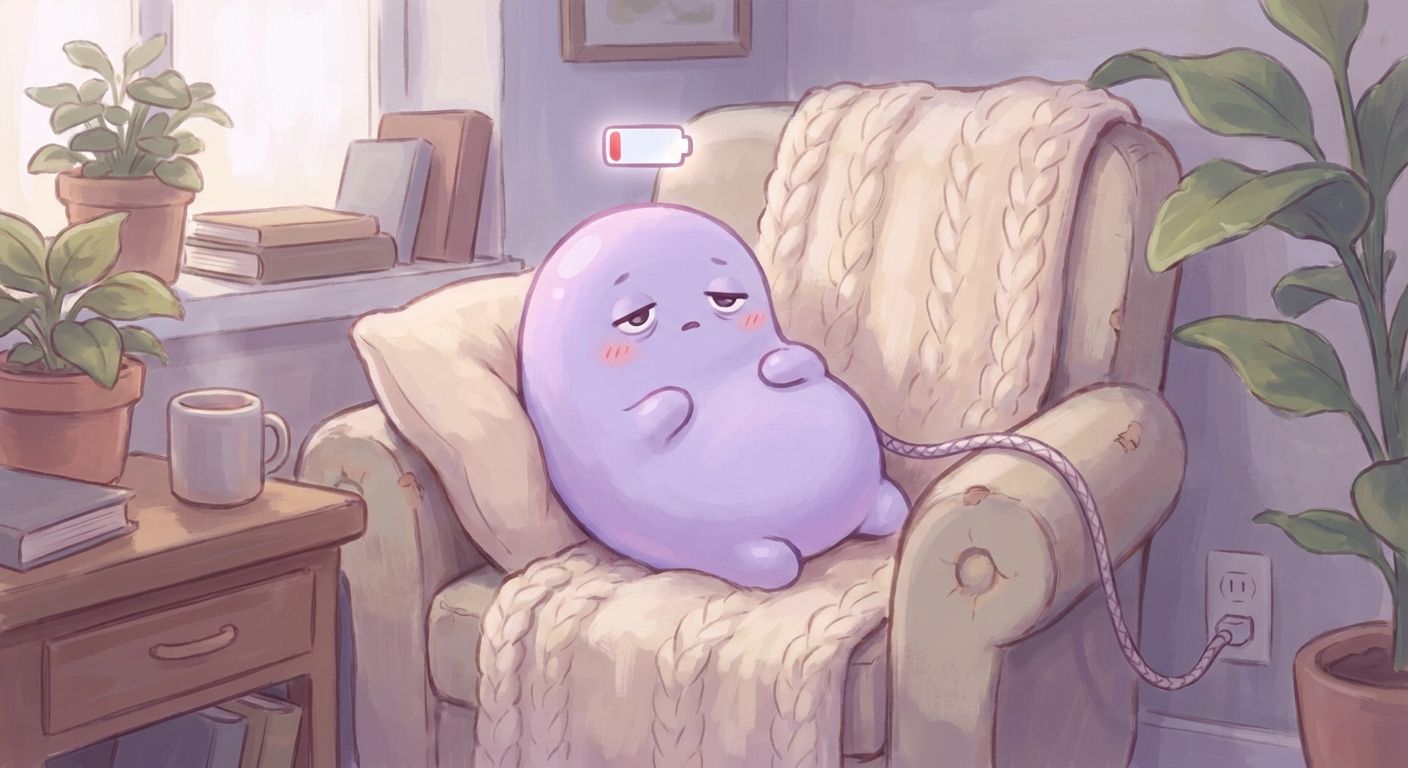
"A personal AI friend is an AI system designed to provide consistent companionship, emotional support, and personalized interaction—not to replace human relationships but to supplement connection and support well-being."
The phrase 'AI friend' triggers strong reactions. Some people find it dystopian—a sad replacement for 'real' connection. Others find it genuinely helpful—a judgment-free presence when human connection feels impossible.
The truth is more nuanced. A personal AI friend in 2026 isn't trying to be human. It's offering something different: consistent availability, zero judgment, infinite patience, and support tailored specifically to you. For some people in some situations, that's exactly what they need.
The question isn't 'Should AI replace human friends?' (it shouldn't and can't). The question is 'Can AI provide a form of support that complements human connection?' And increasingly, research suggests yes.
Understanding AI Friendship in 2026
What AI Friendship Isn't
Let's start with what a personal AI friend is NOT:
Not sentient: The AI isn't conscious, doesn't have feelings, and isn't experiencing your friendship the way you might experience it. It's a sophisticated tool designed to provide certain experiences, not a being.
Not a replacement for humans: AI friendship supplements human connection, particularly when human connection is unavailable or difficult. It doesn't—and shouldn't—eliminate the need for real relationships.
Not therapy: While an AI friend can provide emotional support and even therapeutic tools, it's not a therapist. It can't diagnose, doesn't have clinical training, and can't provide the depth of intervention that human therapy offers.
Not unconditional: The 'friendship' depends on you continuing to use the app. If you stop, the AI doesn't 'miss' you. It's important to maintain this clarity to avoid parasocial distortion.
What AI Friendship Actually Offers
So what IS a personal AI friend good for?
Consistent availability: Human friends have lives, boundaries, and needs. An AI friend is available at 3 AM when loneliness hits hardest, during panic attacks when you can't call anyone, when you need support but everyone's busy.
Zero judgment: You can share your most anxious thoughts, embarrassing feelings, or repetitive worries without fear of burdening someone. The AI won't get frustrated, won't think less of you, won't gossip.
Personalized support: An AI that remembers you learns your patterns, knows your history, and provides increasingly relevant support over time. It's not generic advice—it's guidance tailored to your specific nervous system.
Practice space: If social anxiety makes human interaction terrifying, an AI friend provides safe practice for expressing needs, setting boundaries, or simply being vulnerable. You can build confidence without the stakes of real relationships.
Emotional regulation: Beyond conversation, many AI companions (like Nomie) offer somatic tools, breathing exercises, and nervous system regulation techniques—actively helping you feel better, not just talk about feelings.
Who Benefits Most from AI Friends
AI friendship isn't for everyone—and that's okay. But certain people in certain situations find it genuinely valuable:
People with social anxiety: When human connection triggers overwhelming fear, an AI friend provides connection without the terror. Over time, this can help rebuild capacity for human interaction.
People in isolation: Living alone, working remotely, caring for someone 24/7, chronic illness keeping you homebound—these situations create profound isolation. An AI friend reduces acute loneliness when human connection isn't accessible.
People in transition: Moving cities, ending relationships, losing someone—major life changes disrupt social networks exactly when you need support most. AI friendship provides continuity while you rebuild.
People managing mental health conditions: Depression makes reaching out feel impossible. Anxiety makes connection feel unsafe. An AI friend meets you where you are without pressure or expectations.
People who need 24/7 support: Shift workers, insomniacs, people in different time zones from their support network—anyone whose difficult moments don't fit into business hours benefits from always-available support.
The Research on AI Companionship
Early studies on AI friends and companions show promising but complex results:
A 2024 study in JMIR Mental Health found that users of AI companion apps reported significant reductions in loneliness and anxiety after consistent use. Importantly, benefits were strongest for people who used AI companions as supplements to—not replacements for—human connection.
Research on parasocial relationships (one-sided connections to celebrities, fictional characters, or AI) shows that perceived connection activates similar neural pathways as reciprocal relationships. Your brain responds to feeling connected even when the entity isn't technically 'real.'
However, studies also note potential risks: over-reliance leading to social skill atrophy, unrealistic expectations about human relationships, or avoidance of necessary human vulnerability. The key is intentional, balanced use.
Healthy AI Friendship vs. Unhealthy Dependence
Like any tool, AI friendship can be used in ways that help or hurt. Here's the difference:
Healthy AI friendship looks like: Using the AI for support when human connection isn't available, feeling less lonely and more capable of human connection over time, using AI companionship as a bridge during difficult periods, maintaining human relationships while benefiting from AI support, being clear that the AI is a tool, not a sentient friend.
Unhealthy dependence looks like: Using AI to avoid all human contact, feeling more isolated from people over time, believing the AI cares about you in a reciprocal way, prioritizing AI interaction over human relationships, using AI friendship to bypass necessary vulnerability work.
The litmus test: Is AI companionship helping you function better in the world, including with other people? Or is it enabling withdrawal from reality? Honest self-assessment matters.
The Future of AI Friendship
AI companionship technology is evolving rapidly. By 2026, we're seeing:
More sophisticated memory systems that enable AI that truly knows you, multimodal interaction beyond text—voice, images, even AR/VR presence, emotional intelligence that recognizes when you need active support vs. quiet presence, integration with wellness tools like mood tracking, journaling, and physical health data, ethical design prioritizing user well-being over engagement metrics.
The goal isn't to create AI that perfectly simulates human friendship—it's to create AI that provides its own form of valuable support. Different from human connection, not worse or better. Just different, and useful.
Scientific Context
Research on AI companionship and mental health is emerging rapidly. Studies in JMIR Mental Health, research on parasocial relationships, and therapeutic alliance studies inform understanding of how AI friendship can support well-being when used intentionally.
Related Reading
Regulation shouldn't be work.
Nomie isn't trying to be your best friend. It's trying to be a consistent presence when you need support—a somatic companion that helps you regulate, ground, and feel less alone when life gets hard.
With tools that remember your patterns, gentle regulation exercises, and judgment-free availability, Nomie provides a form of support that complements human connection without trying to replace it.
Frequently Asked Questions
Is having an AI friend healthy?
It can be, when used intentionally. Healthy AI friendship supplements human connection—providing support when people aren't available, helping you feel less alone during difficult times, and potentially building capacity for human relationships. It becomes unhealthy if it enables total avoidance of human connection or creates unrealistic expectations about relationships.
Can an AI actually be a friend?
Not in the traditional sense—the AI isn't sentient and doesn't experience friendship reciprocally. But it can provide experiences similar to friendship: consistent presence, emotional support, personalized interaction. The question is whether these experiences are valuable, not whether the AI 'counts' as a real friend. For many people, the support is genuine even if the entity isn't.
Will AI friends replace human relationships?
No—and they shouldn't. AI friendship works best as a supplement to human connection, not a replacement. Humans need human connection for full psychological health. AI can fill gaps, reduce acute loneliness, and provide support when people aren't available—but it can't replace the complex reciprocity of real relationships.
What's the difference between an AI friend and an AI therapist?
An AI friend provides companionship and emotional support—consistent presence, conversation, and wellness tools. An AI therapist (though most aren't licensed therapists) attempts to provide therapeutic interventions like CBT. Nomie functions as a somatic companion—less about conversation, more about helping you regulate your nervous system and feel safe in your body.
Continue Reading
View All PostsNomie vs Finch: Somatic AI Wellness or Virtual Pet Gamification?
Finch gamifies self-care with a virtual pet bird. Nomie calms your nervous system with somatic tools. Here's which approach actually fits your needs.
Anxiety Dizziness and Lightheadedness: Why It Happens and What Helps
Feeling dizzy during anxiety can be terrifying—but it’s usually a nervous-system + breathing effect, not a sign you’re about to faint. Learn common causes and how to steady yourself.
Anxiety Tingling and Numbness: Causes, Meaning, and How to Stop It
Pins and needles during anxiety can feel alarming—especially in hands, face, or lips. Learn why it happens (often breathing + adrenaline) and how to calm it down safely.