High Functioning Anxiety: When Success Masks Suffering
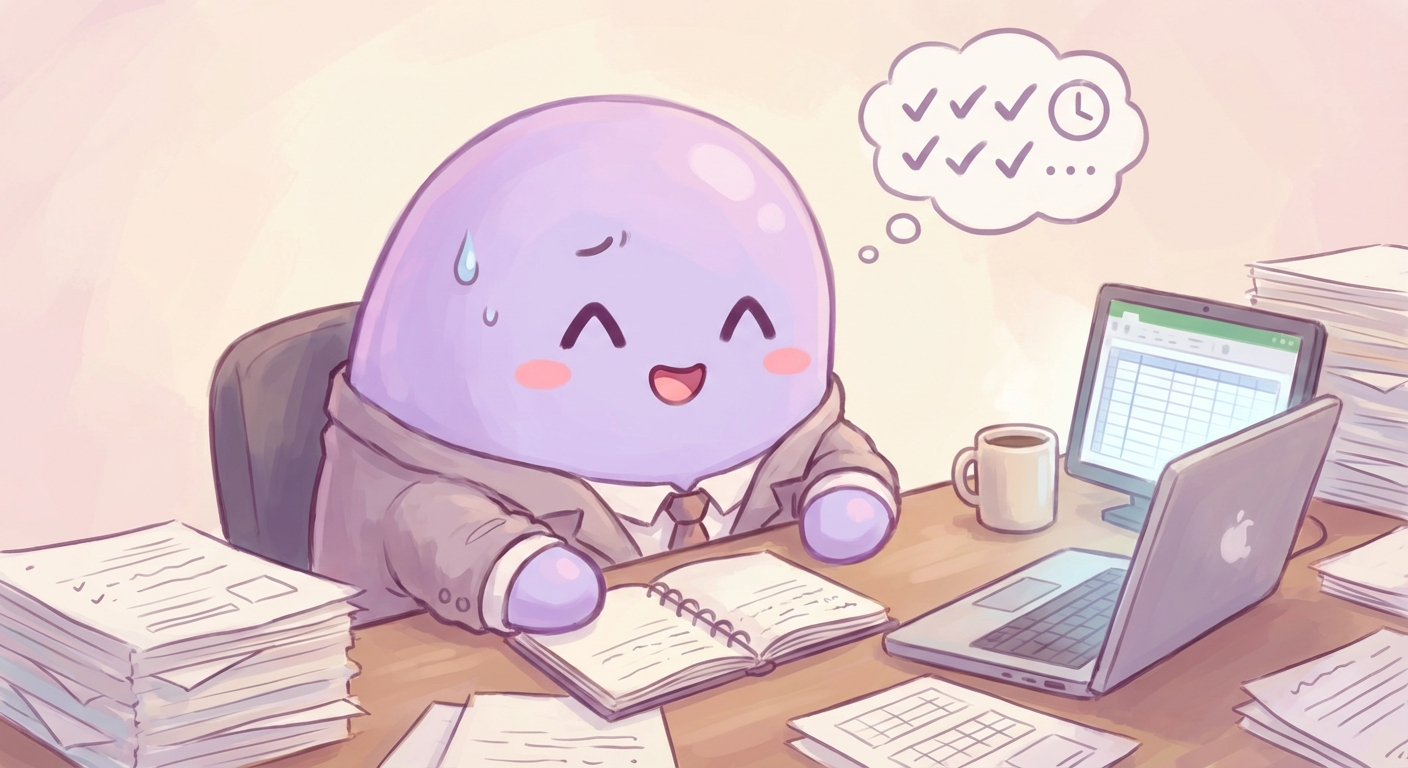
"High functioning anxiety describes people who experience significant anxiety symptoms while maintaining outward success in work, relationships, and responsibilities. Achievement masks inner turmoil. You look fine to others while feeling constantly on the edge of collapse."
From the outside, you have it together. Successful career, good relationships, responsibilities managed. People ask how you do it all. They don't see that you do it all because stopping feels dangerous. Achievement isn't driven by ambition—it's driven by the terror of what happens if you're not enough.
This is high functioning anxiety. The anxiety isn't immediately visible because you've learned to channel it into productivity, perfectionism, and overperformance. You meet every deadline, exceed every expectation, and never let anyone see you struggle. The cost is constant internal chaos, exhaustion, and the nagging sense that if you ever stopped pushing, everything would fall apart.
The term isn't a clinical diagnosis—it's a description of a pattern where anxiety manifests through achievement rather than visible dysfunction. You're not missing work or failing relationships in obvious ways. But you're also not okay. Understanding that success can coexist with significant suffering is the first step toward finding balance that doesn't require burning yourself out.
Understanding and Managing High Functioning Anxiety
What High Functioning Anxiety Actually Looks Like
High functioning anxiety doesn't present as someone who can't get out of bed or can't hold a job. It looks like the person who's always early, always prepared, always saying yes. From the outside, you're the reliable one, the high achiever, the person who has their life together. Internally, you're running constant worst-case scenarios, double-checking everything, and feeling like you're always one mistake away from disaster.
Common patterns include overpreparation that goes far beyond what's necessary. You can't just show up to a meeting—you need to have researched every angle, prepared for every possible question, and rehearsed your points. The preparation is driven by anxiety about being caught unprepared, not genuine enthusiasm for thoroughness. It's exhausting but feels mandatory.
Difficulty saying no means you're constantly overcommitted. You take on extra projects, volunteer for tasks, help everyone who asks because saying no triggers anxiety about being seen as unhelpful, lazy, or not a team player. Your schedule is unsustainable, but the anxiety about disappointing others feels worse than the exhaustion of doing too much.
Perfectionism isn't about high standards—it's about the crushing fear that anything less than perfect means you're worthless. You spend hours on tasks that warrant 20 minutes because the work must be flawless. The standards you hold for yourself are punishing and often exceed what anyone expects from you. But lowering them triggers intense anxiety.
Need for control manifests as difficulty delegating, micromanaging your environment, rigid routines that can't be disrupted without distress, and planning everything in advance. Uncertainty and loss of control spike your anxiety, so you structure your life to minimize both. The rigidity creates the illusion of safety but makes life feel constricted.
People-pleasing and approval-seeking drive many decisions. You're constantly monitoring how others perceive you, adjusting your behavior to avoid conflict or disapproval, and feeling devastated by criticism even when it's minor or constructive. External validation temporarily soothes the anxiety, but you need constant reassurance that you're doing okay.
Why Anxiety Drives Overachievement
The relationship between anxiety and achievement isn't coincidental. For many people with high functioning anxiety, success is a safety strategy. If you're successful enough, smart enough, productive enough, maybe you'll finally be safe from judgment, rejection, or failure. Achievement becomes armor against the things you're anxious about.
This often traces back to conditional acceptance in childhood. Maybe love and approval came when you performed well—good grades, athletic success, being helpful, staying out of trouble. The message, explicit or implicit, was that your value depended on achievement. Anxiety developed around the possibility of losing that acceptance if you failed to perform. You learned that being enough requires constant proof through success.
Perfectionism as a trauma response is common. If your early environment was unpredictable, chaotic, or included criticism or neglect, you may have developed perfectionism as a way to control outcomes and avoid negative consequences. If you could just be perfect, maybe you'd be safe. The strategy may have worked in childhood (perfect behavior meant less conflict), but it becomes unsustainable in adulthood.
For some people, overwork is avoidance. If you're constantly busy achieving, you don't have time to feel difficult emotions or address underlying issues. Work becomes both the source of anxiety (deadlines, pressure, perfectionism) and the escape from it (distraction from existential concerns, relationship problems, or unprocessed trauma). You're anxious about work but also using work to avoid feeling other things.
External validation temporarily reduces anxiety but creates a dependency loop. When you succeed, you feel briefly okay. But the relief doesn't last because the success doesn't address the core belief driving the anxiety (usually some version of 'I'm not enough'). So you need the next achievement, and the next, always chasing the feeling of being enough that never arrives.
The Hidden Costs of High Functioning Anxiety
The tragedy of high functioning anxiety is that the very strategies that make you look successful are destroying your wellbeing. Chronic stress from constant overperformance takes a physical toll. Your nervous system is perpetually activated, which over time contributes to insomnia, digestive issues, headaches, muscle tension, weakened immune function, and increased risk of cardiovascular problems. Your body is paying the price for the achievement.
Burnout is almost inevitable when anxiety drives productivity. You're running on stress hormones rather than genuine energy or interest. Eventually, the system crashes. Burnout with high functioning anxiety often confuses people because 'you're so capable—what happened?' What happened is years of unsustainable effort finally exceeding your capacity to maintain the performance.
Relationships suffer because you're not fully present. You're constantly thinking about work, worried about the next obligation, or too exhausted from overperformance to have energy for connection. People may see you as distant, unavailable, or always stressed. Intimacy requires vulnerability, but high functioning anxiety keeps you in performance mode even with people you love.
Identity becomes fused with achievement. Who are you if you're not successful? What's your worth if you're not productive? These questions create existential dread because you've built your entire sense of self on performance. Rest feels dangerous because it means confronting the void of identity when achievement is removed. You don't know how to just be—you only know how to do.
The anxiety itself never improves because achievement doesn't address the underlying fear. You might think 'once I get this promotion / degree / recognition, I'll feel secure.' But the goalpost moves. There's always another level, another thing to prove, because the real issue isn't external—it's the internal belief that you're not enough. No amount of achievement can fix that belief if you never address it directly.
Why This Pattern Is So Hard to Change
High functioning anxiety is particularly difficult to address because the coping strategy works in the short term. You do get things done. You do earn recognition. People do value you. The strategy is effective at avoiding the immediate consequences you fear (failure, rejection, looking incompetent). This makes it hard to recognize that the pattern is harming you.
External validation reinforces the pattern. When you overperform, people praise you. Your boss values your reliability. Your friends appreciate that you always show up. The environment rewards the behavior even though it's destroying you internally. You get clear feedback that achievement works, which overrides the quieter voice saying you can't sustain this.
Slowing down triggers anxiety rather than relief. When you try to rest, do less, or lower your standards, the anxiety intensifies. Your brain interprets the change as dangerous because it removes the strategies that have kept you 'safe.' The initial attempt to change feels worse, not better, which makes you return to overwork. Breaking the pattern requires tolerating increased anxiety during the transition.
Cultural messaging often supports high functioning anxiety patterns. Hustle culture, productivity worship, and the glorification of busy all validate overwork. Social media shows everyone's achievement highlight reel. Professional environments often reward people who work beyond boundaries. The broader culture confirms that what you're doing is good, even as it grinds you down.
Lack of obvious crisis means you don't hit a clear bottom that forces change. With other forms of anxiety, there might be a breaking point—can't work, relationships fall apart, panic attacks become unmanageable. High functioning anxiety can persist for years or decades without that crisis because you keep succeeding despite suffering. The gradual erosion of wellbeing doesn't create the emergency that would prompt intervention.
What Actually Helps (It's Not Just Doing Less)
The advice to 'just relax' or 'care less' completely misses the point. If you could simply choose to be less anxious, you would have done it already. Effective approaches address the underlying beliefs and nervous system patterns driving the anxiety, not just the surface behaviors.
Therapy that addresses core beliefs is crucial. CBT can help identify thought patterns like 'I'm only valuable if I'm productive' or 'any mistake means I'm a failure' and examine evidence for and against them. Schema therapy addresses deeper patterns formed in childhood about worth, safety, and belonging. The goal isn't eliminating ambition—it's decoupling worth from achievement so your value doesn't depend on constant performance.
Somatic therapy and nervous system work addresses the physical component. High functioning anxiety often involves chronic sympathetic activation that feels normal because it's your baseline. Somatic Experiencing, EMDR, TRE (trauma release exercises), or other body-based approaches help discharge stored activation and build capacity to feel safe in rest states. You're not just changing thoughts—you're teaching your nervous system that it's safe to not be in performance mode.
Boundary setting is both intervention and practice. Start small: say no to one request, let one task be good enough instead of perfect, delegate one thing you'd normally control. Notice the anxiety that arises. Practice tolerating it rather than immediately performing to reduce it. Over time, your nervous system learns that the feared consequences of boundaries don't materialize.
Self-compassion is often the hardest practice for people with high functioning anxiety. You're likely extremely hard on yourself, with an internal dialogue that's critical and demanding. Learning to speak to yourself the way you'd speak to a friend—with kindness, understanding, and tolerance for imperfection—directly challenges the belief that you need harsh self-criticism to stay motivated. Research shows self-compassion actually improves performance because it reduces the energy spent on self-attack.
Redefining success and enough requires examining what you actually want versus what you think you should want. If external pressure and anxiety weren't driving, what would you choose? What does a meaningful life look like that isn't defined solely by achievement? This is existential work, often requiring support, but it's necessary to build an identity not entirely dependent on performance.
Building a Different Relationship with Achievement
The goal isn't becoming unmotivated or unsuccessful. It's decoupling anxiety from achievement so that success comes from genuine interest, values, and sustainable effort rather than fear-driven overcompensation. You can still care about your work and do it well without the internal chaos.
Identify your actual values separate from anxiety. What matters to you when fear isn't driving? Maybe excellence in your field genuinely excites you—that's different from perfectionism driven by fear of being exposed as incompetent. Maybe helping others aligns with your values—that's different from people-pleasing because you can't tolerate disapproval. Clarifying the difference helps you pursue what matters while releasing what's just anxiety management.
Practice intrinsic motivation. Notice when you're doing something because it interests you versus when you're doing it to avoid feeling bad about yourself. External motivation (grades, promotions, praise) isn't inherently bad, but if it's your only source, you're on shaky ground. Building capacity to engage with work for its own sake creates resilience when external validation isn't available.
Experiment with good enough. Choose low-stakes areas where you intentionally do B+ work instead of A+. Notice that the consequences you fear (harsh judgment, loss of respect, your life falling apart) don't occur. The world doesn't end when you're not perfect. This isn't lowering standards across the board—it's learning to calibrate effort to actual importance rather than treating everything as if it's life-or-death.
Build rest into your identity. You're not just a person who achieves. You're also someone who rests, plays, creates without purpose, spends time with people you love, and exists beyond productivity. Actively building these aspects of identity creates an alternative to achievement-only self-concept. Rest stops being something you do when you've earned it and becomes part of being human.
Celebrate process, not just outcomes. High functioning anxiety creates outcome fixation—only results matter, only achievement counts. Practice noticing effort, courage, growth, and showing up regardless of outcome. You showed up to the difficult meeting even though you were anxious. You asked for help even though it was uncomfortable. These process wins matter and deserve recognition even if the outcome wasn't perfect.
Scientific Context
While not a formal diagnosis, high functioning anxiety describes a pattern where significant anxiety coexists with outward success. Research on perfectionism, overwork, and anxiety shows that achievement can mask suffering. Interventions targeting core beliefs and nervous system regulation show effectiveness for anxiety-driven overperformance.
Related Reading
Regulation shouldn't be work.
High functioning anxiety often means your phone becomes another source of pressure. You're checking work emails at night, monitoring messages constantly, feeling guilty when you're not immediately responsive. Your device amplifies the anxiety driving your overperformance.
Nomie transforms your phone from anxiety amplifier to regulation tool. When you notice the familiar tension building—the sense that you need to be doing more, checking more, achieving more—Nomie offers somatic grounding that interrupts the spiral. Bilateral stimulation discharges the activation. Guided self-compassion practices challenge the harsh internal dialogue.
Your worth doesn't depend on constant performance. Give yourself the nervous system regulation that makes that truth feel real, not just intellectual.
Frequently Asked Questions
What is high functioning anxiety?
High functioning anxiety describes experiencing significant anxiety while maintaining outward success. You achieve in work, relationships, and responsibilities, but internally you're anxious, exhausted, and constantly pushing to avoid failure. Achievement masks suffering. From the outside you look fine; from the inside you feel like you're always on the edge of collapse. It's not a formal diagnosis—it's a pattern where anxiety manifests through overperformance rather than visible dysfunction.
Why do I overachieve when I'm anxious?
Anxiety often drives overachievement as a safety strategy. If you're successful enough, maybe you'll be safe from judgment, rejection, or failure. This pattern frequently traces to conditional acceptance in childhood where love and approval came through performance. Achievement becomes armor against the things you fear. The strategy works short-term (you do succeed, people do praise you), which reinforces the pattern even though it's unsustainable long-term.
How do I stop being a perfectionist?
Breaking perfectionism requires addressing core beliefs about worth and safety, not just forcing yourself to do less. Therapy helps identify thoughts like 'mistakes mean I'm worthless' and build self-compassion. Practice doing B+ work in low-stakes areas and notice feared consequences don't occur. Build nervous system capacity to tolerate the anxiety that arises when you're not perfect. Perfectionism is often a trauma response—addressing underlying safety concerns is more effective than just trying to lower standards.
Is high functioning anxiety real?
Yes, though it's not a formal diagnosis in the DSM. High functioning anxiety is a widely recognized pattern where significant anxiety coexists with achievement. The anxiety is real and creates genuine suffering. The 'high functioning' part means you've developed coping strategies that channel anxiety into productivity, making the struggle less visible to others. Lack of formal diagnosis doesn't mean the experience isn't valid or doesn't warrant support.
How do I treat high functioning anxiety?
Effective approaches include therapy addressing core beliefs (CBT, schema therapy), somatic therapy for nervous system regulation, boundary-setting practice, and self-compassion development. The goal isn't eliminating ambition—it's decoupling worth from achievement so you can succeed without burning out. Medication can help manage anxiety symptoms. Lifestyle changes (rest, boundaries, values clarification) support long-term change. Treatment addresses both the beliefs driving the pattern and the nervous system activation sustaining it.
Continue Reading
View All PostsNomie vs Finch: Somatic AI Wellness or Virtual Pet Gamification?
Finch gamifies self-care with a virtual pet bird. Nomie calms your nervous system with somatic tools. Here's which approach actually fits your needs.
Anxiety Dizziness and Lightheadedness: Why It Happens and What Helps
Feeling dizzy during anxiety can be terrifying—but it’s usually a nervous-system + breathing effect, not a sign you’re about to faint. Learn common causes and how to steady yourself.
Anxiety Tingling and Numbness: Causes, Meaning, and How to Stop It
Pins and needles during anxiety can feel alarming—especially in hands, face, or lips. Learn why it happens (often breathing + adrenaline) and how to calm it down safely.