The Fawn Response: When People-Pleasing Is a Trauma Survival Strategy
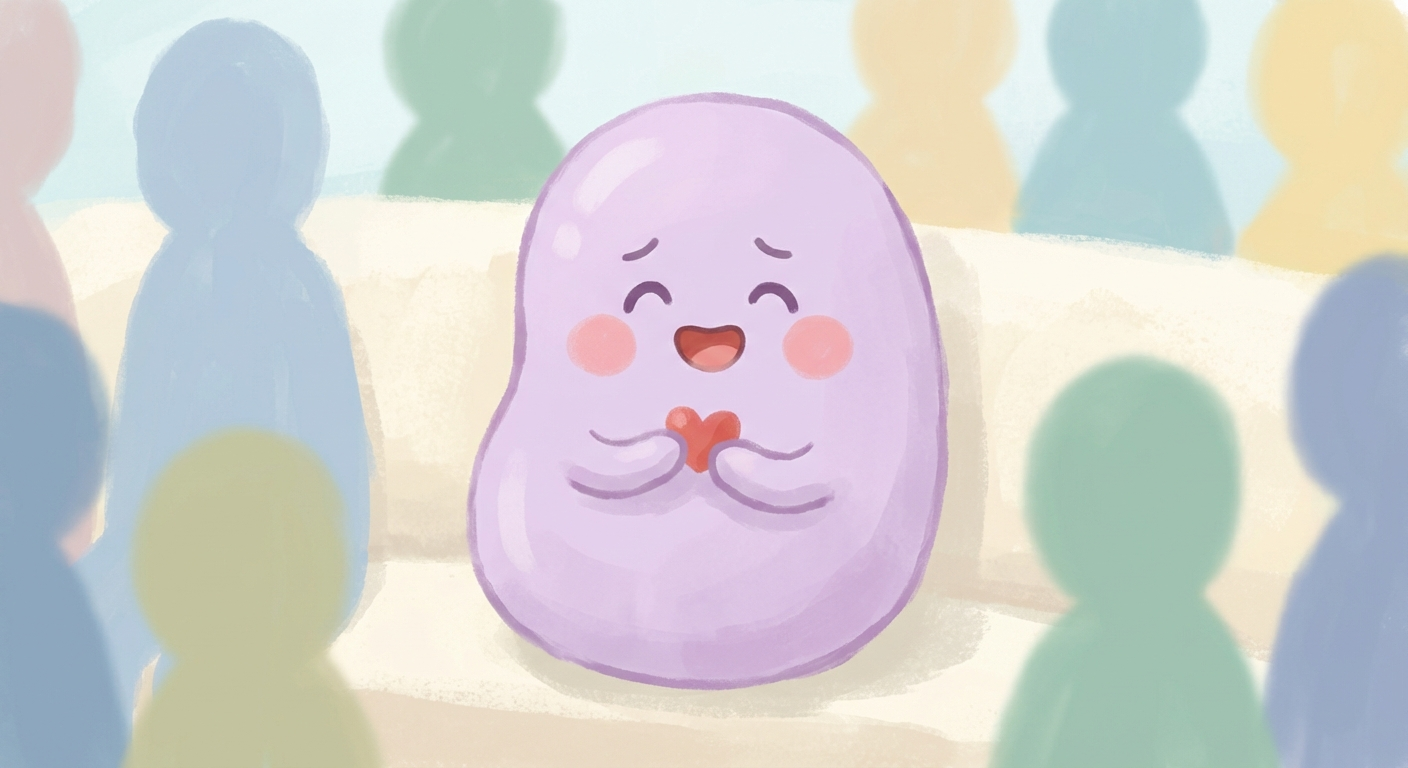
"The fawn response is a trauma survival mechanism where a person manages perceived threats by appeasing, pleasing, and prioritizing others' needs over their own. It's the fourth 'F' in trauma responses, alongside fight, flight, and freeze."
You're in a conversation that makes you uncomfortable. Someone crosses a line—maybe they're criticizing you unfairly, maybe they're asking too much, maybe they're being outright unkind. Your brain knows you should push back. But instead, you smile. You agree. You apologize for something that isn't your fault. You make yourself smaller, easier, less threatening.
This isn't weakness. It's not a personality flaw. It's a survival strategy called the fawn response—and for many people, it runs so deep they don't even recognize it as a response to threat.
Fight, flight, and freeze get all the attention. But fawn—the fourth F—might be the most invisible and the most exhausting. Because unlike the others, fawning often looks like being helpful, agreeable, and nice. It looks like what we're told good people do.
Understanding the Fawn Response
What Fawning Actually Looks Like
The fawn response is essentially survival through appeasement. When your nervous system detects a threat—especially an interpersonal one—it concludes that the safest strategy is to become whatever the threatening person needs you to be.
Common fawn behaviors include: instantly agreeing to avoid conflict, apologizing reflexively (even when you've done nothing wrong), anticipating others' needs before they express them, difficulty saying no even when you want to, abandoning your own opinions to match someone else's, feeling responsible for other people's emotions, over-explaining yourself to prevent anyone from being upset, and mirroring others' moods and preferences automatically.
The key word is automatic. Fawning isn't a conscious strategy—it's a nervous system response that happens before your thinking brain can intervene. By the time you realize you've agreed to something you didn't want, you've already agreed.
This makes fawning particularly hard to change. You can't just decide to stop, because the decision happens faster than conscious thought.
How the Fawn Response Develops
Nobody is born a people-pleaser. The fawn response develops when a child learns that the only way to be safe is to please.
This often happens in environments where: caregivers were unpredictable, volatile, or emotionally dysregulated; expressing needs or boundaries led to punishment, withdrawal, or conflict; love and safety were conditional on being "good" or meeting others' expectations; the child had to manage a parent's emotions rather than having their own emotions managed; standing up for yourself made things worse, while going along made things better.
The child's nervous system learns: "When I sense threat, the safest thing to do is become whatever they want." This isn't conscious reasoning—it's implicit learning that gets wired into the body's automatic threat response.
Pete Walker, the therapist who popularized the fawn response concept, calls this Complex PTSD territory. It's not about a single traumatic event but about relational patterns that teach the nervous system that self-assertion equals danger.
The Hidden Cost of Chronic Fawning
Fawning can feel like a superpower. You're attuned to others. You keep the peace. People like you. But the costs accumulate:
Loss of self. When you constantly shape-shift to meet others' expectations, you lose track of your own wants, needs, and opinions. "What do I actually think?" becomes a genuinely difficult question.
Resentment. Saying yes when you mean no builds invisible walls of resentment. You give and give, often unconsciously keeping score, then feel hurt when others don't reciprocate—but you never told them what you needed.
Attraction to unsafe people. People with strong fawn responses often end up in relationships with people who take advantage of that response. The people-pleaser and the taker find each other.
Exhaustion. Constantly monitoring and managing others' emotional states is draining. There's no off switch.
Nervous system dysregulation. Chronic fawning keeps you in a low-grade threat state. Your body is always scanning, always ready to appease. This takes a physiological toll.
Perhaps most painfully: fawning often doesn't actually create safety. The relationships built on self-abandonment are unstable. The approval you earn by being compliant isn't the same as being genuinely seen and valued.
Healing the Fawn Response
Healing fawn doesn't mean becoming a jerk or never considering others. It means developing the capacity to choose rather than react automatically.
Build interoception. Fawning disconnects you from your own body signals. Practice noticing: what do I actually feel right now? What does my body want? Start small—noticing preferences around temperature, food, music—before working up to bigger needs.
Slow down the response. The fawn kicks in before conscious thought. Create space by practicing pauses: "Let me think about that" or "I'll get back to you." Buying time lets your thinking brain catch up with your automatic response.
Practice small nos. You don't have to start with high-stakes boundary-setting. Practice saying no to things that don't matter much—a second helping you don't want, an invitation you're not excited about. Build the muscle gradually.
Work with the nervous system directly. Because fawning is a nervous system response, cognitive strategies alone often aren't enough. Somatic work, polyvagal-informed approaches, and developing window of tolerance can help your body learn that safety doesn't require appeasement.
Grieve what adaptation cost you. Fawning developed because it was necessary. Honoring that—while also grieving the self-abandonment it required—is part of healing.
Get support. Trauma-informed therapy, particularly approaches that work with the body and nervous system, can be transformative for chronic fawning.
Distinguishing Fawning from Kindness
An important distinction: not all accommodation is fawning. Genuine kindness, compromise, and considering others are healthy relationship behaviors.
The difference is choice versus compulsion. Kindness comes from a place of security—you choose to prioritize someone else because you want to, and you could choose differently. Fawning comes from a place of threat—you're compelled to prioritize someone else because your nervous system believes it's not safe to do otherwise.
Kindness doesn't require self-abandonment. You can be generous and still maintain boundaries, still have preferences, still say no sometimes. Fawning erases you. You disappear into service to others because any other option feels dangerous.
As you heal, you might worry that setting boundaries makes you selfish or unkind. But the goal isn't to stop caring about others—it's to also care about yourself. It's to be present in relationships as a full person, not an accommodation machine.
Scientific Context
The fawn response was identified and named by therapist Pete Walker, author of 'Complex PTSD: From Surviving to Thriving.' His work builds on the foundational trauma research of Bessel van der Kolk, Judith Herman, and others, extending the classic fight-flight-freeze model to include appeasement as a survival strategy.
Related Reading
Regulation shouldn't be work.
Fawning is a nervous system response—which means it can't be changed through willpower alone. Nomie helps you build the body awareness and regulation capacity that makes new choices possible.
When you notice the urge to appease, Nomie's grounding tools can help you pause. That moment of pause—between trigger and response—is where change becomes possible.
Frequently Asked Questions
What triggers the fawn response?
The fawn response is typically triggered by perceived interpersonal threat—conflict, disapproval, anger, or any situation where someone might be upset with you. For people with strong fawn patterns, even mild cues of potential disappointment can trigger the appeasement response.
Is people-pleasing always trauma-related?
Not necessarily, but chronic, compulsive people-pleasing often has roots in early relational experiences where safety depended on accommodation. Occasional people-pleasing is normal; the fawn response is when it's automatic, pervasive, and feels impossible to stop even when you want to.
How do I stop fawning?
Stopping fawning is less about willpower and more about nervous system regulation. Steps include: building body awareness, practicing pauses before responding, starting with small boundaries, working with a trauma-informed therapist, and developing somatic tools that help your body feel safe without appeasing.
Can fawning happen in childhood?
Yes—fawning often develops in childhood as a survival adaptation. Children who grow up with volatile, unpredictable, or emotionally demanding caregivers may learn that the safest strategy is to anticipate and meet others' needs, suppressing their own in the process.
Continue Reading
View All PostsNomie vs Finch: Somatic AI Wellness or Virtual Pet Gamification?
Finch gamifies self-care with a virtual pet bird. Nomie calms your nervous system with somatic tools. Here's which approach actually fits your needs.
Anxiety Dizziness and Lightheadedness: Why It Happens and What Helps
Feeling dizzy during anxiety can be terrifying—but it’s usually a nervous-system + breathing effect, not a sign you’re about to faint. Learn common causes and how to steady yourself.
Anxiety Tingling and Numbness: Causes, Meaning, and How to Stop It
Pins and needles during anxiety can feel alarming—especially in hands, face, or lips. Learn why it happens (often breathing + adrenaline) and how to calm it down safely.