Weekend Anxiety: Why You Feel Worse When You Should Feel Better
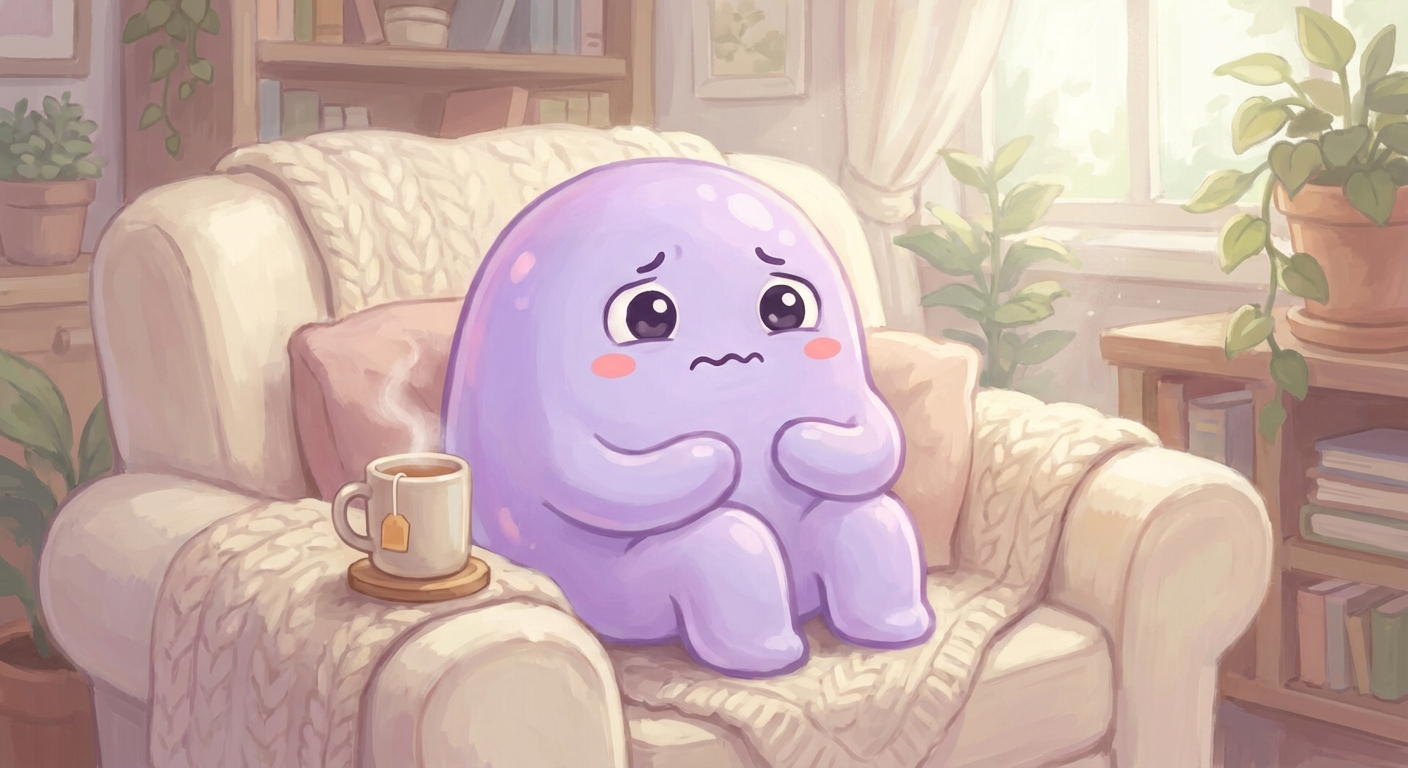
"Weekend anxiety (or leisure sickness) refers to increased anxiety, stress, or illness that emerges during periods of rest—weekends, vacations, or any time the usual structure drops away. It's the paradox of feeling worse when you should be relaxing."
Friday arrives. You've survived another week. You should feel relieved.
Instead, as the structure drops away, something uncomfortable takes its place. By Saturday, you're more anxious than you were at work. Sunday is worse—dread about Monday, but also something else. A floating unease that doesn't have a clear cause.
Why does rest feel so hard?
This is weekend anxiety syndrome—and it's more common than you might think. Understanding why it happens is the first step to actually being able to relax.
Understanding and Managing Weekend Anxiety
The Stress Release Paradox
Here's the counterintuitive truth: sometimes anxiety gets worse when stress decreases.
The work week keeps you mobilized. During high-stress periods, your body runs on stress hormones—cortisol, adrenaline. You're in fight-or-flight mode. This feels terrible, but it also keeps anxiety focused and channeled. You're too busy surviving to feel the full weight of your anxiety.
When stress drops, the suppressed anxiety surfaces. Your nervous system has been running on fumes. Once you stop, everything you've been suppressing—emotions, worries, bodily sensations—comes rushing in. It's like you've been holding your breath all week, and the exhale releases everything you were holding back.
The immune system stands down, too. Research on "leisure sickness" shows that people are more likely to get sick on weekends and vacations than during stressful periods. Stress hormones suppress inflammation and some immune responses. When they drop, your body plays catch-up.
This is why people often feel worse the first few days of vacation. The body is finally safe enough to process what it's been storing.
The Loss of Structure
Work provides external structure. Weekend doesn't.
Structure contains anxiety. During the week, you know what you're supposed to be doing. Decisions are made for you (meetings are scheduled, tasks are assigned). Your attention is directed outward, toward work. On weekends, that structure vanishes. Suddenly you have choices. Freedom. And for anxious brains, too much unstructured time is a setup for spiraling.
Without external demands, internal demons emerge. The thoughts you've been too busy to think demand attention. The feelings you've been too distracted to feel surface. The existential questions you've been avoiding ("Am I happy? Is this life what I want?") emerge when you're not occupied with immediate tasks.
The tyranny of choice. Should you be productive? Relaxed? Social? Doing errands? Each choice feels like a potential mistake. You could spend the weekend "wrong." This low-level decision fatigue compounds into paralysis or anxiety.
Sunday Scaries: Anticipatory Anxiety
Sunday brings its own special flavor of dread.
The Sunday Scaries are anticipatory anxiety about Monday—the work week, responsibilities, and stress looming ahead. Sunday afternoon anxiety has become so common it has its own name.
Why Sunday feels different: The weekend is ending. Even if you haven't truly relaxed, you're about to lose the opportunity. There's a sense of running out of time. Monday represents a return to stress, obligations, and demands you may dread. Your nervous system begins ramping up in preparation—sometimes hours before it needs to.
The cruel irony: Dreading Monday ruins Sunday. You spend the free time you have feeling bad about the time you're about to lose. The anxiety eats the very rest you need.
Breaking the cycle: The Sunday Scaries are worst when Monday is vague and threatening. Reducing ambiguity helps—prepare for Monday on Friday afternoon, not Sunday night. Know what's coming so your brain has less to catastrophize about.
Why Some People Can't Relax
For some people, relaxation itself feels threatening.
Rest as vulnerability. Hypervigilant nervous systems interpret stillness as danger. "If I relax my guard, bad things will happen." This is especially common for people who grew up in chaotic or unsafe environments—staying alert was adaptive then, but it's exhausting now.
Self-worth tied to productivity. If your value feels dependent on what you produce, rest becomes anxiety-provoking. You "should" be doing something. Being unproductive feels like being worthless. The hustle-culture version of this is obvious, but it runs deeper—many people have internalized that they're only okay if they're achieving.
Discomfort with negative emotions. Work is a great distraction from difficult feelings. When the distraction stops, the feelings arrive. If you don't have good tools for processing emotions, you'll find ways to avoid them—even avoiding rest itself.
Fear of missing out or wasting time. The weekend should be optimized! Filled with meaningful experiences! Every hour is precious! This pressure makes relaxation feel like failure.
The Nervous System Needs Transition
You can't flip a switch from work mode to rest mode instantly. Your nervous system needs transition time.
The Friday decompression window. Many people notice they feel worst on Friday evening or Saturday morning. This is the transition period—your body is downshifting from high-alert to rest mode. It's bumpy. Give yourself permission for this to be uncomfortable.
Create transition rituals. Instead of going directly from work to "relaxation" (which feels like pressure), create a bridge. Change your clothes. Take a walk. Do a deliberate breathing exercise. These rituals signal to your nervous system: "The work day is over. We're transitioning."
Expect the stress crash. When you've been running on cortisol all week, the weekend will bring a crash. This might include fatigue, headaches, irritability, or feeling low. This is your body processing the stress. It doesn't mean something is wrong—it means something is finally being allowed to resolve.
Building Sustainable Weekend Structure
Complete freedom isn't actually relaxing for most people. Some structure helps.
Anchor activities: Have a few planned things—not a packed schedule, but anchors. Saturday morning coffee ritual. Sunday afternoon walk. A specific time to call a friend. These give the day shape without overscheduling.
Preserve genuine downtime: Structure is helpful; over-scheduling is not. Leave large chunks of unplanned time. The goal is to reduce decision fatigue, not eliminate rest.
Separate active rest from passive rest: "Rest" isn't just collapsing on the couch. Active rest (hobbies, nature, socializing) can be more restorative than passive rest (doomscrolling, zoning out). A mix of both is ideal.
Reduce decision load: Meal plan for weekends. Have a default activity for Saturday morning. Know what you're going to do with your time so you're not constantly deciding.
Consistent wake time: Sleeping in too much can disrupt your circadian rhythm and actually make you feel worse. Staying within an hour of your weekday wake time helps maintain regulation.
Addressing the Root Causes
Weekend anxiety is often a symptom of larger issues.
Work-life imbalance: If work is so stressful that weekends are just recovery, the problem isn't the weekend—it's the work. Sustainable work should leave you with energy for life, not just survival.
Unprocessed stress: If you're constantly running from one obligation to the next, stress accumulates. Weekends force a reckoning with what you've been avoiding. Regular stress discharge (exercise, meditation, therapy) reduces the backlog.
Relationship with rest: Many people have a dysfunctional relationship with rest—viewing it as laziness, weakness, or wasted time. Examining and revising these beliefs can make rest feel more permissible.
Underlying anxiety disorder: Weekend anxiety can be a symptom of GAD, panic disorder, or other anxiety conditions. If it's persistent and significantly impairing, professional help may be warranted.
Life satisfaction: Sometimes Sunday anxiety isn't really about Monday—it's about the life you're returning to. If you dread your work, relationships, or routine, the weekend highlights the mismatch between where you are and where you want to be.
Practical Strategies for Anxious Weekends
When the anxiety hits:
Ground yourself in the present. Weekend anxiety is often about the past (reviewing the week) or future (dreading Monday). Grounding techniques bring you back to now—where nothing is actually wrong.
Move your body. Exercise helps discharge the stress hormones that may be contributing to your unease. Even a walk helps.
Limit stimulating content. Anxious weekends often involve doomscrolling or binging content that doesn't actually relax you. Be intentional about what you consume.
Use nervous system regulation tools. Extended exhale breathing, cold water on face, gentle stretching—these shift your physiology toward calm.
Connect with humans. Isolation worsens anxiety. Even brief social contact can help regulate your nervous system through co-regulation.
Let go of weekend perfection. Not every weekend needs to be amazing. Sometimes it's just two days off. That's enough.
Prepare for Monday ahead of time. Reduce Sunday dread by getting Monday's tasks organized Friday afternoon. Knowing what's coming is less anxiety-provoking than vague anticipation.
Scientific Context
Research on 'leisure sickness' and the stress-recovery paradox shows that anxiety and illness often emerge when stress decreases, particularly on weekends and vacations. Studies on anticipatory anxiety and the role of structure in emotional regulation inform understanding of weekend anxiety.
Related Reading
Regulation shouldn't be work.
If weekends feel more stressful than the work week, your nervous system may need help transitioning from "on" to "off." The constant alertness of work doesn't automatically turn off just because it's Saturday.
Nomie provides transition support—breathing exercises to signal your body that it's time to downshift, calming rituals that create intentional rest rather than anxious free-time, and grounding tools for when the unstructured hours start to feel overwhelming.
Rest shouldn't be harder than work. Sometimes your nervous system just needs the right signals to let go.
Frequently Asked Questions
Why do I feel more anxious on weekends than weekdays?
Several factors contribute: the stress release paradox (suppressed anxiety surfaces when stress drops), loss of structure (unstructured time can trigger spiraling), and anticipatory anxiety about Monday. For some people, the absence of external demands allows internal distress to emerge that was masked by busyness.
Is weekend anxiety a real thing?
Yes—it's commonly called "leisure sickness" in research literature. Studies show that illness, anxiety, and low mood often emerge during rest periods rather than stressful ones. It's a recognized phenomenon, not just something you're imagining.
How do I stop dreading Sundays?
Reduce ambiguity about Monday by preparing on Friday. Avoid doom-and-gloom news consumption Sunday evening. Create Sunday rituals you actually enjoy rather than leaving the day unstructured. Address underlying issues—if you dread your work or life, the real work may be bigger than Sunday management.
Why can't I relax even when I have time off?
Common reasons include: hypervigilant nervous system (rest feels unsafe), self-worth tied to productivity (rest feels like failure), discomfort with emotions that surface when distracted, and fear of wasting time. Working with a therapist can help unpack these patterns. In the meantime, structured rest and nervous system regulation tools can help.
Should I fill my weekends with activities to avoid anxiety?
Over-scheduling weekends to avoid sitting with yourself isn't the answer—it just maintains the avoidance pattern. However, some structure helps (anchor activities, consistent rhythms). The goal is finding balance: enough structure to reduce decision fatigue, enough space to actually rest, and tools to cope when difficult feelings arise.
Continue Reading
View All PostsNomie vs Finch: Somatic AI Wellness or Virtual Pet Gamification?
Finch gamifies self-care with a virtual pet bird. Nomie calms your nervous system with somatic tools. Here's which approach actually fits your needs.
Anxiety Dizziness and Lightheadedness: Why It Happens and What Helps
Feeling dizzy during anxiety can be terrifying—but it’s usually a nervous-system + breathing effect, not a sign you’re about to faint. Learn common causes and how to steady yourself.
Anxiety Tingling and Numbness: Causes, Meaning, and How to Stop It
Pins and needles during anxiety can feel alarming—especially in hands, face, or lips. Learn why it happens (often breathing + adrenaline) and how to calm it down safely.