Social Battery Drained: Recovering From Social Exhaustion
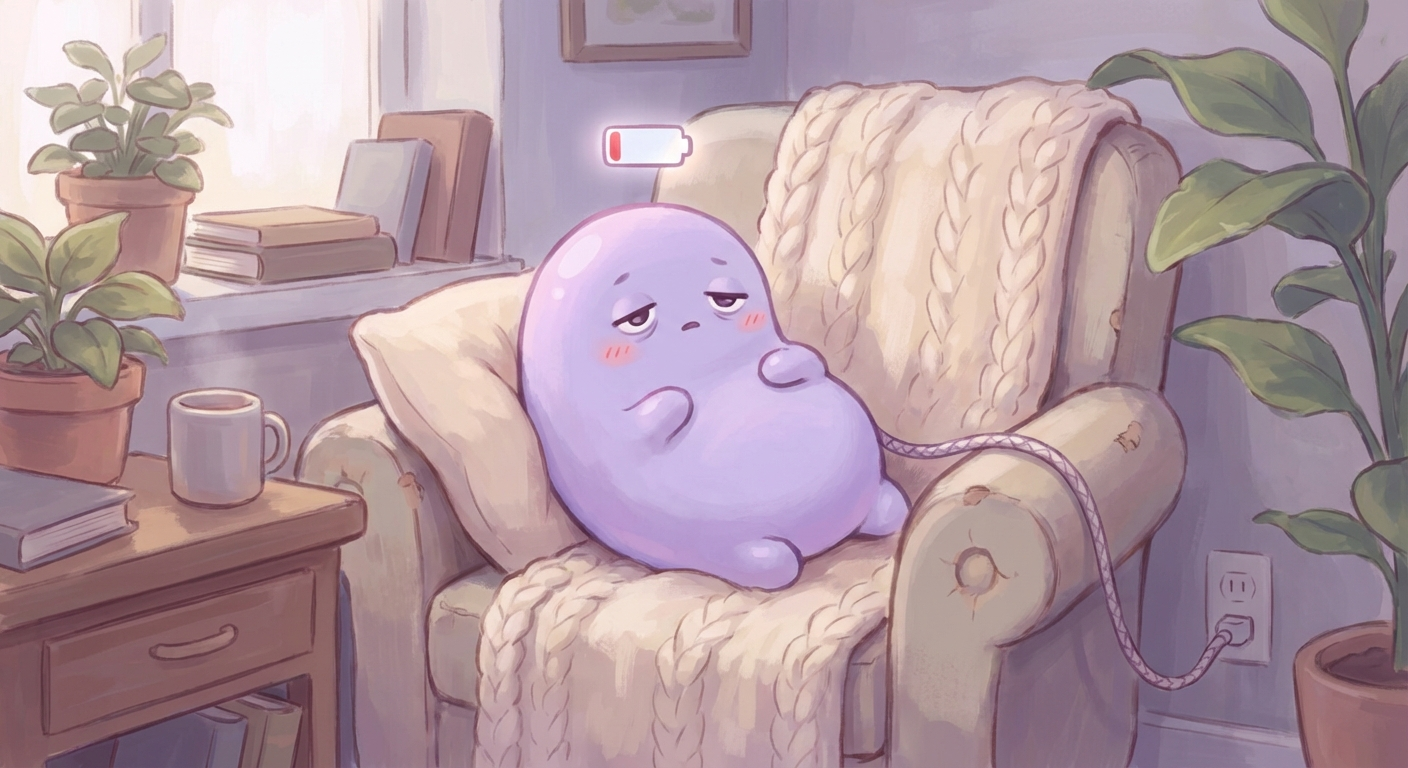
"Social battery refers to the limited capacity for social interaction before experiencing exhaustion. Being 'drained' means this capacity is depleted, requiring solitude to recover—common in introverts but experienced by anyone facing social overstimulation."
You genuinely enjoyed the party. You love these people. But somewhere around hour three, a switch flipped. Now you're smiling while mentally calculating the earliest acceptable exit time. Your brain is full. Your social battery is completely drained.
This isn't antisocial behavior or disliking people. It's a normal variation in how brains process social stimulation. Some people recharge through interaction; others are depleted by it, requiring solitude to recover.
Understanding your social battery isn't about limiting yourself—it's about managing your energy so you can actually enjoy the social connection you have.
Understanding and Managing Your Social Energy
The Neuroscience of Social Exhaustion
Social interaction requires significant cognitive resources. You're constantly processing facial expressions, tone, body language, conversation content, social norms, and your own self-presentation. This is expensive brain work.
For some people (often labeled introverts), this processing is higher-effort and more depleting. Research suggests introverts have higher baseline cortical arousal, meaning social stimulation adds to an already active system rather than bringing it to optimal levels.
Additionally, social interaction activates the nervous system. For those with sensitive nervous systems, hours of social activation can lead to exhaustion—not because the interaction was bad but because sustained activation depletes energy.
Introversion vs. Social Anxiety
These are different phenomena that often get conflated.
Introversion means you're depleted by social interaction and recharged by solitude. You might be completely confident and skilled socially—but you need recovery time afterward.
Social anxiety means social situations trigger fear or discomfort. You might desperately want connection but be too anxious to pursue it. Recovery after socializing might feel more like relief from fear than simple recharging.
Many people experience both. But the strategies differ: introversion requires energy management, while social anxiety requires anxiety management. Knowing which you're dealing with helps you intervene appropriately.
Overstimulation as Battery Drain
Social battery drain often involves overstimulation beyond just "people." Social gatherings typically include:
Noise (multiple conversations, music, environmental sounds), visual stimulation (movement, expressions, decor, screens), emotional labor (being "on," monitoring reactions, managing impressions), and unexpected demands (interruptions, new people, change of plans).
Each layer drains separately. You might handle the conversation fine but be overwhelmed by the sensory environment. You might enjoy the activity but be exhausted by the emotional performance.
Identifying which specific elements drain you most helps you modify situations rather than avoiding socializing entirely.
Pre-Event Energy Planning
If you know you have a socially demanding event, plan your energy budget in advance.
Protect the before: Don't schedule demanding activities immediately before social events. Give yourself a buffer of low-stimulation time. Arrive at the event with a full battery, not already depleted.
Protect the after: Block recovery time. If you have a party Saturday night, Sunday morning should be sacred quiet time. Don't stack social demands back-to-back.
Set an exit strategy: Know you can leave when your battery hits 20%. Having an out reduces the anxiety of "What if I can't handle it?" and paradoxically often helps you stay longer because you're not dreading being trapped.
Recovery Strategies That Actually Work
Recovery from social depletion isn't just "being alone"—it's specific types of solitude and activity.
Sensory reduction: Lower lights, silence or quiet music, soft textures, minimal visual clutter. You're giving your overworked sensory processing system a break.
Undemanding activity: Not "productive alone time" but genuine rest. Reading, watching something comforting, gentle movement, being in nature. Nothing that requires decision-making or performance.
Physical regulation: Breathing exercises, slow movement, warm bath. Your nervous system has been activated for hours; help it come down with body-based techniques.
Sleep: Social exhaustion often requires actual sleep to fully recover. Honor the fatigue instead of pushing through.
Building Sustainable Social Rhythms
The goal isn't to avoid socializing—it's to find a sustainable rhythm that includes connection without chronic depletion.
Know your capacity: How many hours of socializing can you handle before crashing? How much recovery do you need? These numbers are individual and non-negotiable.
Choose your socializing: Deep conversation with one person drains differently than a party of 50. Familiar people drain less than strangers. Choose forms of socializing that give you what you need (connection, belonging) with less of what depletes you.
Communicate your needs: "I can come but I'll need to leave by 9" or "I need a quiet day tomorrow" aren't weaknesses—they're sustainable boundaries. People who care about you will accommodate reasonable needs.
Build recovery into your life: Regular solitude isn't something to feel guilty about. It's how you maintain capacity for the social connection you genuinely want.
Scientific Context
Research on introversion and social processing draws from personality psychology and neuroscience. Studies show differences in sensory processing sensitivity and nervous system activation between introverts and extroverts.
Related Reading
Regulation shouldn't be work.
Social exhaustion is a nervous system state—and tracking your patterns helps you manage energy better. Nomie helps you notice what drains you and what helps you recover, building awareness of your unique social battery.
Use regulation tools to accelerate recovery after demanding interactions, helping you return to your window of tolerance faster.
Frequently Asked Questions
Is needing alone time after socializing normal?
Completely normal—especially for introverts and highly sensitive people, but experienced to some degree by everyone. Socializing is cognitively and emotionally demanding. Needing recovery isn't a flaw; it's a feature of how humans process social information.
Why do I feel exhausted after socializing with people I love?
Love doesn't change the neurological cost of social processing. You're still reading expressions, tracking conversation, being present. The interaction might be more meaningful but not less depleting. In fact, deeper connection can be more exhausting than shallow small talk because you're more invested.
Can I increase my social battery?
Somewhat. Building nervous system regulation capacity helps you recover faster and tolerate more stimulation. But fundamental introversion/extroversion tendencies are relatively stable. It's more effective to work with your actual capacity than to fight against it.
Is wanting to be alone unhealthy?
Not at all. Needing solitude is healthy self-care for many people. It becomes concerning only if you're avoiding socializing entirely due to anxiety or depression, or if isolation is causing loneliness. Wanting alone time after connection is very different from being unable to connect at all.
Continue Reading
View All PostsNomie vs Finch: Somatic AI Wellness or Virtual Pet Gamification?
Finch gamifies self-care with a virtual pet bird. Nomie calms your nervous system with somatic tools. Here's which approach actually fits your needs.
Anxiety Dizziness and Lightheadedness: Why It Happens and What Helps
Feeling dizzy during anxiety can be terrifying—but it’s usually a nervous-system + breathing effect, not a sign you’re about to faint. Learn common causes and how to steady yourself.
Anxiety Tingling and Numbness: Causes, Meaning, and How to Stop It
Pins and needles during anxiety can feel alarming—especially in hands, face, or lips. Learn why it happens (often breathing + adrenaline) and how to calm it down safely.