Existential Anxiety: When Life's Big Questions Keep You Up at Night
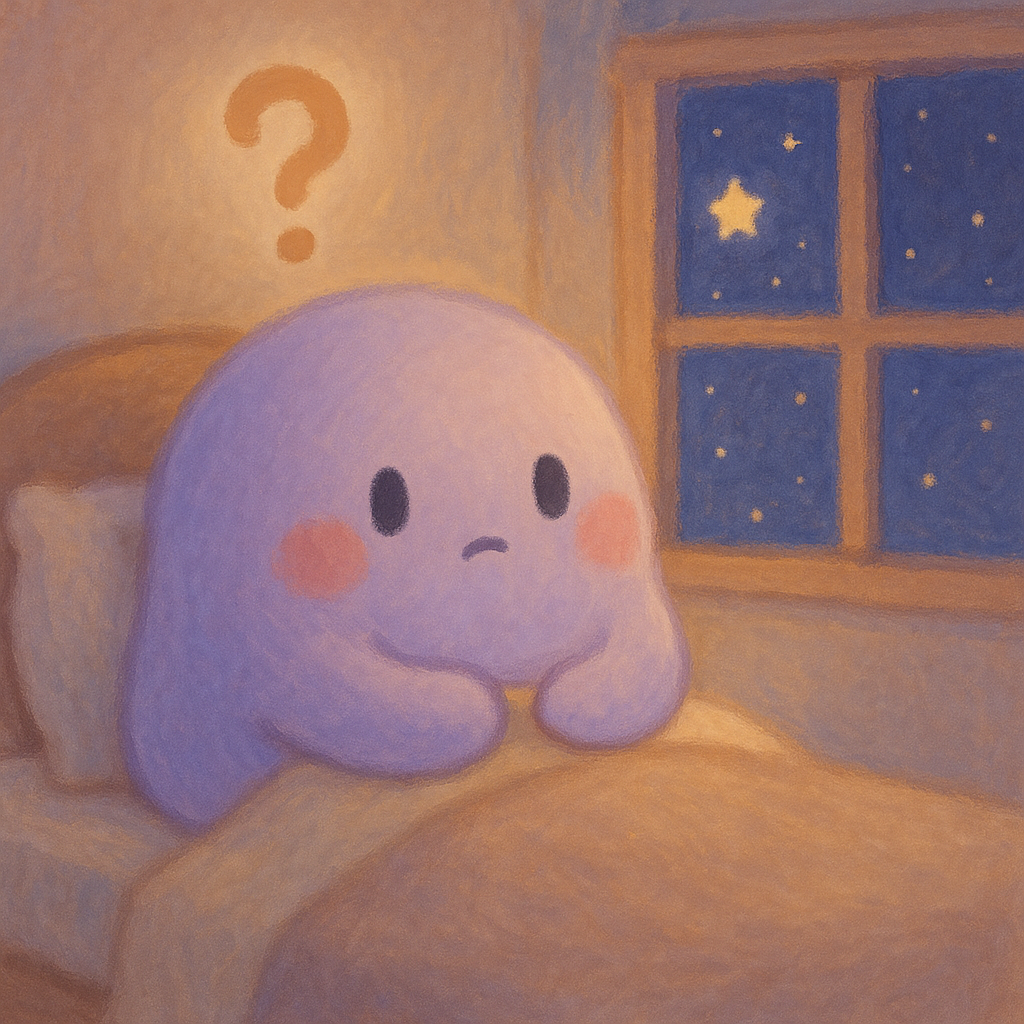
"Existential anxiety is distress arising from confrontation with fundamental aspects of human existence: death, freedom, meaninglessness, and isolation. Unlike anxiety about specific threats, existential anxiety concerns the nature of existence itself."
Existential anxiety is distress arising from confrontation with life's fundamental realities: death, meaninglessness, radical freedom, and ultimate isolation. Unlike worry about specific problems, it concerns the nature of existence itself — and it's a natural human response, not a disorder to be cured.
This kind of dread often intensifies during major transitions, loss, or quiet moments when distractions fall away. The good news is you don't have to "solve" these questions to live well alongside them. Here's what existential anxiety is, why it might be hitting you now, and how both philosophy and practical psychology offer paths through the dread.
Understanding and Navigating Life's Deepest Questions
What Is Existential Anxiety?
Existential anxiety is distress that arises when we confront fundamental aspects of being human. It's different from anxiety about specific threats—it's anxiety about existence itself.
Existentialist philosophers identified four ultimate concerns that generate this anxiety:
Death: We know we will die. Unlike other animals, humans live with full awareness of their mortality. This awareness can generate profound dread—not just fear of the dying process, but terror at the idea of non-existence.
Meaninglessness: The universe doesn't come with built-in meaning. We have to create or find purpose ourselves. The question "what's the point?" can be paralyzing when you realize there's no cosmic answer key.
Freedom: We are radically free to choose our lives—but this freedom is dizzying. With no predetermined path, we're responsible for creating ourselves. This responsibility can be overwhelming.
Isolation: No matter how connected we are, we are ultimately alone in our subjective experience. No one can fully know what it's like to be you. This fundamental aloneness can feel devastating.
Existential anxiety isn't a disorder to be cured—it's a natural response to being human. But when it becomes overwhelming, when it interferes with living, we need ways to relate to it differently.
Why Existential Anxiety Might Be Hitting You Now
Existential anxiety often emerges during specific life circumstances:
Major transitions: Graduation, career changes, moving, retirement—times when your identity or daily structure shifts. The question "who am I?" becomes urgent.
Loss and grief: Confronting death—whether losing someone or facing serious illness—forces mortality into focus. The abstractness of death becomes terrifyingly concrete.
Achievement of goals: Paradoxically, getting what you wanted can trigger existential crisis. "I got everything I was working toward... now what?" The hedonic treadmill reveals itself.
Midlife: The cliché exists for a reason. Around midlife, time remaining shrinks relative to time passed. Questions about legacy and meaning intensify.
Global events: Pandemics, climate crisis, political upheaval—collective threats highlight human vulnerability and uncertainty about the future.
Spiritual changes: Losing faith, questioning beliefs you grew up with, or spiritual awakening can all destabilize meaning systems and trigger existential questioning.
Too much time alone: Distraction keeps existential thoughts at bay. Extended solitude—whether chosen or forced—removes the buffer. Overthinking at night is when existential anxiety often emerges.
Depression and anxiety: Sometimes existential questioning is entwined with clinical mood issues. Treating underlying depression can reduce the intensity of existential despair.
The Difference Between Existential Anxiety and Other Conditions
Existential concerns overlap with but differ from clinical conditions:
Existential Anxiety vs. Generalized Anxiety Disorder:
GAD involves worry about everyday things—health, money, relationships. Existential anxiety concerns ultimate questions. However, they can feed each other: general anxiety can spiral into existential dread, and existential overwhelm can manifest as everyday worry.
Existential Anxiety vs. Depression:
Both can involve hopelessness and loss of meaning. But existential anxiety is specifically about grappling with life's fundamental nature, while depression is a broader mood disorder affecting energy, pleasure, and self-worth. The distinction matters for treatment: depression typically needs clinical intervention, while existential anxiety often responds to philosophical and meaning-focused approaches.
Existential Anxiety vs. Existential OCD:
Some people develop obsessive rumination about existential themes—compulsively questioning reality, consciousness, meaning. This "existential OCD" has OCD characteristics: intrusive thoughts, inability to tolerate uncertainty, and mental rituals. It benefits from OCD-specific treatment (ERP) rather than philosophical exploration.
Death Anxiety (Thanatophobia):
Intense, persistent fear of death that causes significant distress and avoidance. While all humans experience some death awareness, thanatophobia is more severe and may need specific treatment.
Normal Existential Reflection:
Not all existential thinking is problematic. Philosophers engage with these questions productively. The issue is when existential concerns become paralyzing, persistent, and distressing—interfering with your ability to live.
Philosophical Approaches to Existential Anxiety
Philosophy doesn't eliminate existential anxiety—it offers ways to relate to it:
Existentialism: Philosophers like Sartre and Camus argued that meaninglessness isn't cause for despair but for freedom. If life has no preset meaning, you're free to create your own. Camus's answer to absurdity wasn't suicide but "revolt"—living fully despite the absence of cosmic meaning.
Embrace your mortality: Stoics practiced *memento mori*—remembering death—not to despair but to live fully. Awareness of limited time can motivate presence and gratitude. Heidegger called this "being-toward-death"—authentic living that acknowledges mortality.
Create meaning, don't find it: Viktor Frankl, surviving the Holocaust, concluded that meaning isn't discovered but created through how we respond to life. Even in suffering, we can find meaning through attitude, love, or creative work.
Accept absurdity: Camus argued we must imagine Sisyphus happy—rolling his boulder eternally, finding meaning in the struggle itself. Acceptance of absurdity, paradoxically, frees you to engage with life.
Focus on the present: Much existential anxiety is projection—imagining future death, possible meaninglessness. But meaning exists in moments, relationships, experiences. Present-focused living reduces existential overwhelm.
Connection over isolation: While ultimate isolation is real, connection is also real. Shared experience, love, and community don't eliminate aloneness but make it bearable—even beautiful.
These ideas won't "solve" existential anxiety (there's nothing to solve). But they offer frameworks for living with, rather than against, the human condition.
Practical Coping Strategies
Beyond philosophy, practical approaches help manage existential distress:
Ground in the present: Existential anxiety often involves time travel—to death, to future meaninglessness. Grounding techniques bring you back to now, where meaning actually lives.
Limit rumination windows: Like scheduled worry time, contain existential thinking to specific periods rather than letting it invade everything. "I'll think about life's meaning at 4 PM for 20 minutes."
Create structure: Freedom can be paralyzing. Routines, commitments, and structure provide scaffolding for living while you figure out the big questions.
Take action: Existential paralysis often comes from overthinking. Action—even small action—creates meaning. Volunteer. Create. Connect. Do something that matters to you, however small.
Connect with others: Isolation amplifies existential dread. Sharing these thoughts with trusted others—or reading philosophers who grappled with the same questions—reduces the feeling of being alone with impossible questions.
Engage with beauty: Art, nature, music—experiences of beauty can provide non-verbal "answers" to existential questions. They don't solve anything intellectually but offer felt meaning.
Consider therapy: Existential therapy specifically addresses these concerns. A therapist trained in existential approaches can help you work through death anxiety, meaning questions, and the challenges of freedom.
Treat underlying conditions: If depression or clinical anxiety coexists with existential distress, treating those conditions often reduces existential overwhelm. Sometimes the philosophical questions feel lighter when your brain chemistry is balanced.
Living With the Questions
The goal isn't to answer existential questions—it's to live meaningfully despite them.
Uncertainty tolerance: Much existential suffering comes from demanding certainty about things that are fundamentally uncertain. Practicing tolerance for not-knowing—accepting that some questions don't have answers—reduces the grip of existential anxiety.
Both/and thinking: Life is both meaningful and meaningless, both connected and isolated, both temporary and eternal (in how we affect others). Holding contradictions, rather than resolving them, often feels more true to lived experience.
Meaning is local: You don't need to solve cosmic meaning. What gives YOUR life meaning? Relationships, work, creativity, nature, growth? Those local meanings are real even without universal answers.
Death awareness as motivation: Rather than paralyzing, mortality awareness can energize. Limited time means *this* moment matters. *These* relationships matter. *This* day won't come again.
It's okay to not think about it: You don't have to constantly engage with existential questions. It's okay to watch TV, enjoy small pleasures, and not contemplate mortality every day. Distraction isn't always avoidance—sometimes it's just living.
The anxiety might soften: Many people find that existential anxiety, while never fully disappearing, becomes less intense over time—especially as they build meaningful lives and connections. The questions remain, but they become background rather than foreground.
Rilke's advice: "Live the questions now. Perhaps you will then gradually, without noticing it, live along some distant day into the answer." You don't need to resolve existential questions to live a good life. You just need to learn to carry them with you.
Scientific Context
Existential psychology, rooted in the work of Irvin Yalom, Viktor Frankl, and Rollo May, provides frameworks for understanding and working with existential anxiety. Research shows that meaning-focused interventions effectively reduce existential distress.
Related Reading
Regulation shouldn't be work.
When existential thoughts spiral at 3 AM, Nomie meets you where you are. The breathing exercises calm your nervous system so questions feel less overwhelming. The AI companion offers a judgment-free space to process heavy thoughts.
Nomie won't solve life's big questions. But it can help you return to the present moment—where life actually happens, where meaning actually lives.
Ground yourself in now. The universe can wait.
Frequently Asked Questions
Is existential anxiety a mental disorder?
Existential anxiety is not a clinical disorder—it's a natural human response to confronting fundamental aspects of existence. However, when existential distress becomes overwhelming, persistent, or significantly impairs functioning, it may overlap with or trigger conditions like depression, GAD, or existential OCD that benefit from professional treatment.
Why do I think about death so much?
Increased death awareness often occurs during transitions, loss, health scares, global crises, or simply quiet moments when distractions fade. It can also accompany depression or anxiety. While some death awareness is normal and even healthy (motivating present-focused living), persistent, distressing preoccupation may indicate thanatophobia or underlying mood issues worth addressing.
How do I stop existential dread?
You can't fully stop existential awareness—it's part of being human. But you can reduce its grip through grounding in present experience, building meaning through relationships and action, limiting rumination, tolerating uncertainty, and possibly working with an existentially-oriented therapist. Often, the dread softens as you build a life that feels meaningful.
Is existential anxiety worse at night?
Yes, for many people. At night, distractions fade, the mind wanders, and existential questions that stay background during busy days come forward. Fatigue also reduces cognitive defenses. If nighttime existential anxiety is a problem, consider sleep hygiene, grounding practices before bed, and not engaging with big questions when tired.
Continue Reading
View All PostsNomie vs Finch: Somatic AI Wellness or Virtual Pet Gamification?
Finch gamifies self-care with a virtual pet bird. Nomie calms your nervous system with somatic tools. Here's which approach actually fits your needs.
Anxiety Dizziness and Lightheadedness: Why It Happens and What Helps
Feeling dizzy during anxiety can be terrifying—but it’s usually a nervous-system + breathing effect, not a sign you’re about to faint. Learn common causes and how to steady yourself.
Anxiety Tingling and Numbness: Causes, Meaning, and How to Stop It
Pins and needles during anxiety can feel alarming—especially in hands, face, or lips. Learn why it happens (often breathing + adrenaline) and how to calm it down safely.