Types of Anxiety Disorders: Understanding What You're Really Dealing With
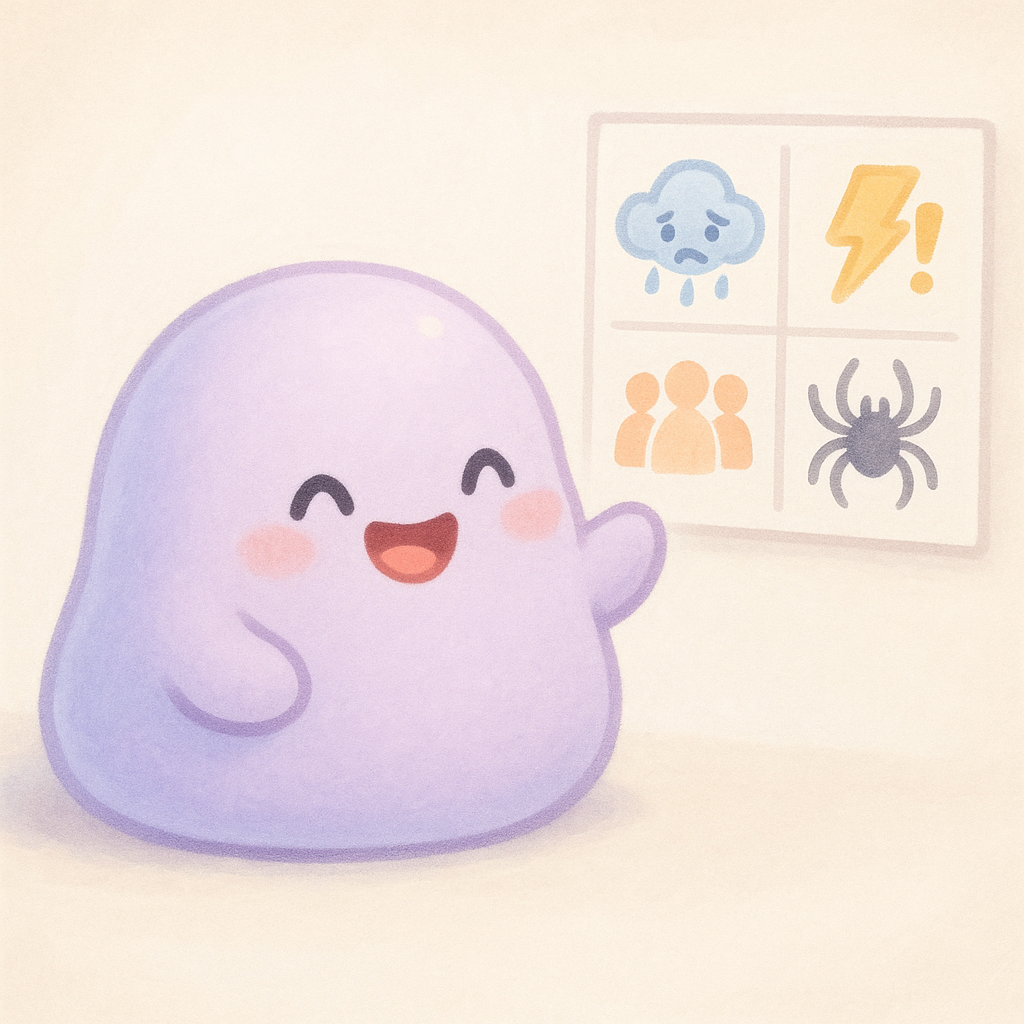
"Anxiety disorders are a group of mental health conditions characterized by excessive fear, worry, or nervousness that interferes with daily life. The main types include Generalized Anxiety Disorder (GAD), Panic Disorder, Social Anxiety Disorder, Specific Phobias, and Agoraphobia."
The main types of anxiety disorders are Generalized Anxiety Disorder (GAD), Panic Disorder, Social Anxiety Disorder, Specific Phobias, and Agoraphobia — each with distinct patterns, triggers, and treatment approaches. Anxiety disorders affect roughly 31% of adults at some point, making them the most common mental health conditions.
Knowing which type you're dealing with matters because treatments differ significantly across subtypes. This guide breaks down the key symptoms of each anxiety disorder, how to identify which one might be affecting you, and when multiple types overlap.
Understanding the Different Types of Anxiety Disorders
Generalized Anxiety Disorder (GAD): The Chronic Worrier
If your mind feels like it's always running worst-case scenarios, you might have Generalized Anxiety Disorder. GAD is characterized by persistent, excessive worry about everyday things—health, money, work, relationships, or just a vague sense that something bad will happen.
Key features of GAD:
The worry is disproportionate to actual circumstances. You're worried about finances when you're financially stable. You're worried about your health despite normal test results. The rational part of your brain knows this, but you can't turn it off.
GAD is chronic—officially, symptoms must persist for at least six months for diagnosis. This isn't occasional stress; it's a constant background hum of anxiety that colors everything.
Physical symptoms are prominent: muscle tension, fatigue, restlessness, difficulty concentrating, sleep problems. Many people with GAD first see a doctor for physical complaints without realizing anxiety is the cause.
The worry jumps topics. Unlike specific phobias, GAD doesn't focus on one thing. You resolve one worry and your brain finds another. It's like your mind has a worry quota it must fill.
GAD often coexists with depression, other anxiety disorders, or physical conditions. It's one of the most common anxiety disorders, affecting about 3% of the population.
People with GAD often describe feeling like they're "waiting for the other shoe to drop" or that they can't relax because something bad is surely coming. Anticipatory anxiety is a hallmark experience.
Panic Disorder: When Fear Attacks
Panic Disorder involves recurrent, unexpected panic attacks—sudden surges of intense fear that peak within minutes. But it's more than just having panic attacks; it's the fear of having them.
Panic attack symptoms:
Heart racing or pounding, sweating, trembling, shortness of breath, feelings of choking, chest pain, nausea, dizziness, chills or heat sensations, numbness or tingling, feeling detached from reality, fear of losing control, and fear of dying.
Panic attacks are terrifying. Many people experiencing their first one go to the emergency room convinced they're having a heart attack. The symptoms are real and intense—but they're not dangerous.
What makes it a disorder:
Panic Disorder develops when you become preoccupied with fear of future attacks. You start avoiding places or situations where attacks occurred. You develop "safety behaviors"—always sitting near exits, carrying medication "just in case," never going places alone.
Agoraphobia often develops alongside panic disorder—fear of situations where escape might be difficult or help unavailable if you panic. This can severely restrict your life.
The cruel irony: fear of panic attacks can trigger them. You notice a slightly elevated heart rate, think "am I panicking?", which increases anxiety, which raises heart rate more, which confirms your fear... spiral.
Panic Disorder is highly treatable. Both medication and therapy (especially exposure-based approaches) show strong effectiveness.
Social Anxiety Disorder: More Than Shyness
Social Anxiety Disorder (also called Social Phobia) involves intense fear of social situations where you might be judged, embarrassed, or humiliated. It's not just introversion or shyness—it's fear that significantly impacts your life.
Social anxiety shows up as:
Fear of being watched or judged. Dread before social events. Avoiding situations where you'll be the center of attention. Physical symptoms (blushing, sweating, trembling, nausea) in social situations. Replaying social interactions afterward, cringing at perceived mistakes.
Common trigger situations:
Meeting new people, small talk, eating or drinking in front of others, using public restrooms, speaking up in meetings, performing or presenting, being watched while working, dating, phone calls.
The inner experience:
People with social anxiety often assume others are scrutinizing them critically—noticing every flaw, judging every word. They overestimate how obvious their anxiety is to others (the "spotlight effect") and catastrophize potential social mistakes.
Avoidance becomes the problem:
To escape the anxiety, you avoid. You skip parties, don't speak in meetings, decline opportunities. But avoidance reinforces the fear and shrinks your world. Meanwhile, you miss the positive social experiences that would counter the anxiety.
Social anxiety is one of the most common anxiety disorders and typically begins in adolescence. It responds well to CBT techniques, especially exposure and cognitive restructuring around social fears.
Specific Phobias: Focused Fear
A Specific Phobia is intense, irrational fear of a particular object or situation. The fear is excessive compared to actual danger and causes significant avoidance.
Common specific phobias include:
Animal phobias: Spiders (arachnophobia), snakes, dogs, insects. These often begin in childhood.
Natural environment phobias: Heights (acrophobia), storms, water, darkness.
Blood-injection-injury phobias: Fear of blood, needles, medical procedures. Uniquely, these can cause fainting due to a vasovagal response.
Situational phobias: Flying, driving, elevators, enclosed spaces (claustrophobia), bridges.
Other phobias: Vomiting (emetophobia), choking, loud sounds, costumed characters.
What distinguishes a phobia from fear:
Everyone has things that make them uncomfortable. A phobia is disproportionate (the fear far exceeds actual risk), persistent (lasting six months or more), and impairing (causes significant avoidance or distress).
Someone with mild spider discomfort moves the spider outside. Someone with arachnophobia might refuse to enter rooms where spiders might be, check corners compulsively, or have panic symptoms upon seeing a spider.
Phobias are highly treatable:
Exposure therapy is extremely effective for specific phobias—often producing significant improvement in just a few sessions. The key is gradual, controlled exposure that teaches your brain the feared object isn't actually dangerous.
Other Anxiety-Related Conditions
Beyond the main categories, several related conditions involve anxiety as a core feature:
Separation Anxiety Disorder: Excessive fear about separation from attachment figures. While common in childhood, it can persist or develop in adults—fear of being away from partners, children, or home.
Selective Mutism: Consistent failure to speak in certain social situations (like school) despite speaking normally elsewhere. Usually begins in childhood.
Substance/Medication-Induced Anxiety: Anxiety caused by drugs, medications, or withdrawal. Caffeine, stimulants, and withdrawal from alcohol or benzodiazepines can all trigger significant anxiety.
Anxiety Due to Medical Condition: Medical conditions (thyroid disorders, heart conditions, respiratory problems) can cause anxiety symptoms. Always rule out medical causes.
Obsessive-Compulsive Disorder (OCD): While OCD was historically classified with anxiety disorders, it's now its own category. It involves unwanted, intrusive thoughts (obsessions) and repetitive behaviors (compulsions) performed to reduce anxiety.
Post-Traumatic Stress Disorder (PTSD): Also now separately classified. Develops after traumatic events and involves intrusive memories, avoidance, negative mood changes, and heightened reactivity.
Health Anxiety (Hypochondriasis): Excessive worry about having serious illness despite reassurance. Involves body scanning, reassurance-seeking, and catastrophic interpretation of normal sensations.
These distinctions matter because treatment approaches differ. What helps panic disorder may differ from what helps OCD. Accurate identification leads to appropriate treatment.
How to Identify Which Type Affects You
If you're wondering what type of anxiety do I have, consider these questions:
Is your worry focused or free-floating?
If worry jumps between topics and is about "everything," that suggests GAD. If fear is specific (social situations, certain objects, panic attacks themselves), that points to more specific disorders.
What triggers your worst anxiety?
Social situations → Social Anxiety Disorder. Specific objects/situations → Specific Phobia. Unexpected surges of panic → Panic Disorder. Everything and nothing → GAD.
Do you have panic attacks?
Many anxiety disorders can involve panic attacks. But if fear of panic attacks dominates your life and drives avoidance, that's Panic Disorder specifically.
What do you avoid?
Avoidance patterns reveal your fear structure. Avoiding parties = social anxiety. Avoiding elevators = claustrophobia. Avoiding "anywhere I might panic" = agoraphobia.
How long has this been happening?
Anxiety disorders are persistent. A few weeks of stress isn't a disorder. Six months or more of symptoms that impair functioning suggests a clinical condition.
Important: You can have more than one.
Anxiety disorders are highly comorbid. Having GAD plus social anxiety is common. Panic disorder and agoraphobia frequently co-occur. Depression often accompanies anxiety disorders.
Getting professional assessment is valuable. Self-diagnosis can help you understand yourself, but a mental health professional can provide accurate diagnosis and tailored treatment recommendations.
Scientific Context
Anxiety disorders are the most common mental health conditions, affecting approximately 31% of adults at some point. Research shows distinct neurobiological and psychological profiles for different anxiety subtypes, supporting the importance of accurate diagnosis for treatment.
Related Reading
Regulation shouldn't be work.
Whatever type of anxiety you're dealing with, Nomie provides tools that work across the board. Our breathing exercises calm panic symptoms. The fidgets and grounding tools help in anxious moments. Mood tracking reveals your personal patterns—when anxiety peaks, what triggers it, what helps.
Understanding your anxiety type is step one. Having the right tools when it strikes is step two. Nomie puts both in your pocket.
Frequently Asked Questions
What is the most common type of anxiety disorder?
Specific Phobias are the most common anxiety disorder, affecting about 12% of adults at some point. Generalized Anxiety Disorder (GAD) and Social Anxiety Disorder are also very common, each affecting roughly 7% of people. These three together account for most anxiety disorder diagnoses.
Can you have more than one anxiety disorder?
Yes, comorbidity is common. Many people have multiple anxiety disorders simultaneously—for example, GAD plus social anxiety, or panic disorder with agoraphobia. Anxiety disorders also frequently co-occur with depression. This is why comprehensive assessment matters for treatment planning.
How do I know if I have an anxiety disorder or just normal anxiety?
Normal anxiety is proportionate to circumstances and passes when stressors resolve. An anxiety disorder involves excessive, persistent worry that's hard to control and significantly impairs daily functioning—affecting work, relationships, or activities. If anxiety prevents you from living normally for months, that suggests a disorder.
Which anxiety disorder is the hardest to treat?
All anxiety disorders are treatable, but some require more intensive approaches. OCD and PTSD (historically grouped with anxiety) often need specialized treatment. Among traditional anxiety disorders, agoraphobia can be challenging because severe avoidance makes exposure therapy harder to implement. However, with appropriate treatment, all show meaningful improvement.
Continue Reading
View All PostsNomie vs Finch: Somatic AI Wellness or Virtual Pet Gamification?
Finch gamifies self-care with a virtual pet bird. Nomie calms your nervous system with somatic tools. Here's which approach actually fits your needs.
Anxiety Dizziness and Lightheadedness: Why It Happens and What Helps
Feeling dizzy during anxiety can be terrifying—but it’s usually a nervous-system + breathing effect, not a sign you’re about to faint. Learn common causes and how to steady yourself.
Anxiety Tingling and Numbness: Causes, Meaning, and How to Stop It
Pins and needles during anxiety can feel alarming—especially in hands, face, or lips. Learn why it happens (often breathing + adrenaline) and how to calm it down safely.