The Art and Science of Bed Rotting: Why Doing Nothing in Bed Is Valid Rest
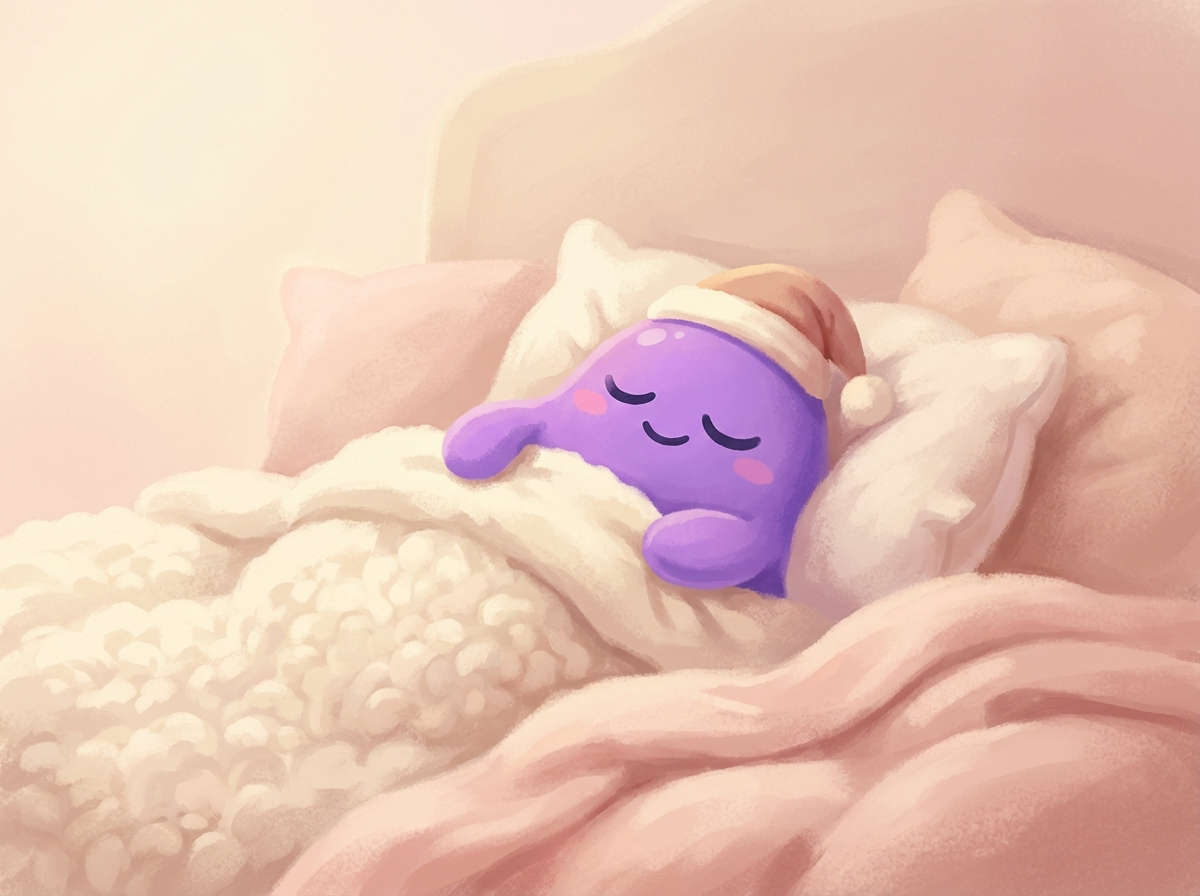
"Bed rotting is the practice of staying in bed for an extended period of time with no particular agenda—not sick, not sleeping, just existing in horizontal rest."
There's a phrase that's been making the rounds on social media, and it perfectly captures something many of us have been doing for years without having a word for it: bed rotting. The term sounds almost aggressively unproductive. Rotting. Like fruit left too long on the counter, decomposing into mush. Applied to a human in bed, it conjures images of someone melting into their mattress, doing absolutely nothing of measurable value, possibly for hours. And that's exactly the point.
bed rotting is the practice of staying in bed for an extended period of time with no particular agenda. You're not sick. You're not sleeping. You're just lying there. Maybe scrolling your phone. Maybe staring at the ceiling. Maybe watching the same comfort show for the fourth time. Maybe doing literally nothing at all.
To the productivity-obsessed culture we live in, this sounds like a cardinal sin. We're supposed to be optimizing our mornings, maximizing our output, using every hour intentionally. Rest, when it's permitted at all, should be efficient rest—power naps, sleep optimization, recovery protocols. Not formless hours of horizontal existence.
But here's what the science actually says: bed rotting might be one of the most underrated forms of genuine rest available to chronically overstimulated humans. When done intentionally, it's not laziness, failure, or depression—it's a legitimate nervous system recovery strategy that our ancestors would have recognized as simply being human.
The caveat matters, though. When done intentionally. Because there is a version of extended bed time that isn't restorative at all—that's actually avoidance wearing rest's clothing. Understanding the difference between genuine rest and hiding from life is crucial, and it's what separates bed rotting as self-care from bed rotting as a warning sign.
Understanding Bed Rotting: A Complete Guide
The Case Against Constant Productivity: Why We Need to Defend Rest
Before we can defend bed rotting, we need to examine what we're defending it against. The modern productivity ethos has become so pervasive that many people have internalized it to the point of no longer recognizing it as an ideology at all. It just feels like "the way things are." The cult of productivity has deep roots, but it's reached a fever pitch in recent decades.
Research from the Organisation for Economic Co-operation and Development shows that while actual working hours have decreased slightly in many developed countries over the past century, the feeling of time pressure has increased dramatically. We have more leisure hours on paper, but we feel more rushed than ever. Part of this is the blurring of work and non-work time.
The smartphone in your pocket means you're never truly off the clock. Emails arrive at midnight. Slack pings on Saturday.
The expectation of constant availability has seeped into industries and roles that previously had clear boundaries between work time and personal time. But the deeper shift is cultural. We've developed a moral framework around productivity that would have seemed bizarre to humans throughout most of history.
Rest isn't just discouraged—it's viewed with suspicion. If you have time to lie in bed doing nothing, the logic goes, you must not be working hard enough. You must not want success badly enough.
You must be wasting your potential. Social media has amplified this. We're constantly exposed to highlight reels of people who seem to be accomplishing extraordinary things while we lie in bed contemplating whether we have the energy to make breakfast.
The comparison isn't just with our immediate peers anymore—it's with the most productive-seeming people on the planet, filtered and presented to maximize the appearance of their output. The result is an epidemic of exhaustion that goes far deeper than mere tiredness.
Research from the World Health Organization led to the inclusion of burnout in the International Classification of Diseases in 2019, recognizing it as an occupational phenomenon characterized by chronic workplace stress that hasn't been successfully managed. But burnout extends beyond the workplace. People report feeling burned out not just from their jobs but from self-care itself, from social media, from the constant pressure to be improving in all areas of life.
We're exhausted from the relentless optimization of everything. This exhaustion isn't just subjective.
Research shows measurable physiological effects of chronic stress and insufficient recovery. Elevated cortisol levels. Disrupted sleep architecture.
Inflammation markers. The body keeps score, as trauma researcher Bessel van der Kolk famously put it, and it's scoring our rest debt with compound interest. The irony is that this exhaustion state makes us less productive, not more.
Research on cognitive performance consistently shows that beyond a certain threshold, additional effort produces diminishing returns and then negative returns. We're working ourselves past the point of effectiveness in pursuit of an ideal of productivity that our bodies literally cannot sustain. In this context, bed rotting isn't just rest—it's a quiet act of rebellion against a system that demands our constant output.
There's something radical about lying in bed with no justification. Not because you're sick. Not because you "earned it" through prior productivity.
Not as a strategic recovery for future output. Just lying there because you've decided that's what you're going to do right now.
What Science Says About Doing Nothing: The Nervous System Perspective
bed rotting might sound like a modern invention born of Gen Z TikTok culture, but the practice of extended, unstructured rest has been part of human life for most of our history. What's actually new is the expectation that we should never need it. To understand why bed rotting can be genuinely restorative, we need to understand how the autonomic nervous system works.
Your nervous system operates on a spectrum between sympathetic activation (commonly called "fight-or-flight") and parasympathetic activation (commonly called "rest-and-digest"). These aren't binary states but rather a continuum, and healthy functioning involves flexibility—the ability to activate when needed and then return to baseline.
The problem for most modern humans is that we're spending too much time activated and not enough time in genuine recovery. Dr. Stephen Porges' Polyvagal Theory, which has become influential in understanding trauma and stress responses, describes how the nervous system reads environmental cues for safety or threat.
In our chronically overstimulating environment—constant notifications, news cycles, social pressures, financial anxieties, endless streams of distressing news—the nervous system often gets stuck in a defended state. Lying in bed in a quiet, comfortable environment sends powerful safety cues to the nervous system. You're horizontal, which is historically a vulnerable position—one you wouldn't adopt if danger were present.
You're in a familiar space. Ideally, it's quiet and dim. These environmental cues signal to your body that it's safe to stand down, to shift from vigilance to recovery.
Research on rest and nervous system regulation shows that these recovery periods aren't just "nice to have"—they're when crucial physiological repair processes occur. Heart rate variability improves. Stress hormone levels normalize.
The immune system functions optimally. These processes are suppressed during chronic activation and can only occur fully during genuine rest states. Beyond sleep, there's increasing research interest in waking rest—what scientists call "quiet wakefulness" or "wakeful rest." A 2012 study published in Psychological Science found that periods of quiet rest after learning actually improved memory consolidation, similar to (though less dramatically than) sleep.
Participants who rested quietly without external stimulation showed better retention than those who engaged in other activities during the same period.
Research on creativity shows similar patterns. The "incubation" phase of creative problem-solving—where you stop actively working on a problem and let your mind wander—often occurs during rest states.
Research from the University of California found that mind-wandering during rest is associated with increased activity in the default mode network, a brain system implicated in creative thinking, self-reflection, and future planning.
This isn't doing nothing. It's doing the kind of internal cognitive work that requires space and silence. Your brain uses periods of low external demand to consolidate memories, process experiences, and generate novel connections.
This work can't happen when you're constantly processing incoming information. The modern environment provides almost no opportunity for this kind of rest. There's always something to check, something to watch, something to respond to.
Bed rotting—especially when done without constant screen engagement—creates the conditions for this internal processing that's become so rare. There's also a concept in exercise physiology called "supercompensation." After a workout, your body doesn't just return to baseline—given adequate rest and nutrition, it adapts to a slightly higher level of capability. The stress of exercise, followed by recovery, produces improvement.
The same principle applies to other forms of stress and recovery. Cognitive work depletes resources—glucose, neurotransmitters, attention capacity. With adequate rest, these resources are replenished, often to a slightly higher baseline.
But the key word is "adequate." Inadequate recovery means you start the next stress period from a depleted state. Over time, you accumulate a deficit.
This is the physiological basis of burnout—repeated incomplete recovery leading to a progressive decline in baseline function. Bed rotting, viewed through this lens, isn't unproductive time. It's the recovery that makes future production possible.
Self-Care Versus Avoidance: Knowing the Difference
Here's where the bed rotting defense needs to get honest. Not all time spent in bed is self-care. Some of it is avoidance.
And the difference matters enormously for your wellbeing. The most reliable way to distinguish self-care bed rotting from avoidance bed rotting is the felt sense of choice. When bed rotting is genuine self-care, it feels like a decision you're making.
You chose to lie here. You could get up if you wanted to. You're resting because you want to rest, not because you can't imagine doing anything else.
There's a quality of agency and intention, even if the intention is simply "I'm going to do nothing for a while." When bed rotting is avoidance, it feels like something that's happening to you. You didn't really decide to stay in bed—you just couldn't make yourself get up. The thought of doing the things you're supposed to do feels heavy, impossible, like pushing against a locked door.
You're not choosing rest so much as you're unable to choose action. This distinction can be subtle, and sometimes it shifts during a single session of bed rotting. You might start with genuine intentional rest and gradually slip into avoidant paralysis.
Or you might tell yourself you're "choosing" rest when really you know, somewhere beneath the surface, that you're hiding from something. The felt sense of "I'm choosing this" versus "I can't do otherwise" is the key distinction. Both might look identical from the outside—person lying in bed, not doing things—but they're profoundly different internal experiences.
Avoidance-based bed rotting typically has some distinctive features. There's usually something specific being avoided. Work tasks, social obligations, difficult conversations, decisions that need making.
The bed becomes a refuge not from the general demands of existence but from particular demands you don't want to face. If you're honest with yourself, you know what you're hiding from. Time often passes without your noticing or choosing.
You didn't decide to spend four hours in bed—you just looked up and four hours had gone by. This lost-time quality is different from intentional rest, where you might spend the same four hours but have some awareness of choosing that duration. There's often a layer of distress beneath the surface.
Avoidance-based bed rotting rarely feels peaceful. There's anxiety about the things not getting done, guilt about lying here, a gnawing sense that this isn't what you should be doing. The rest doesn't actually feel restful—it feels like hiding.
Getting out of bed feels impossible rather than just unappealing. With genuine self-care rest, you could get up but you're choosing not to. With avoidance, the thought of getting up produces something like despair or panic.
The difference is between "I don't want to" and "I can't." Genuine self-care bed rotting has its own distinctive features. The decision to rest often comes from body awareness. You notice that you're exhausted, depleted, running on empty.
The choice to lie down and do nothing for a while arises from recognizing your own need, not from wanting to escape something external. There's typically some containment around the rest. You have at least a rough sense of how long you'll rest, and you feel capable of getting up when that time passes.
It's bounded rather than open-ended. The rest actually feels restful. There's a quality of genuine relaxation, of the nervous system settling, of energy being replenished.
Even if you're still tired when you get up, there's a sense that something has been restored. Getting out of bed feels like a choice among options, not an impossibility. When the rest period ends, you can choose to continue or you can choose to get up.
Both feel like real options, not one actual option and one that's merely theoretical. Of course, these distinctions aren't always clean. There's a gray zone where rest contains elements of both self-care and avoidance, where your motivations are mixed.
Maybe you genuinely need rest and you're also avoiding something specific. Maybe you started with self-care intention but slipped into avoidant paralysis. Maybe you're not sure what you're feeling or why you're in bed.
The gray zone is normal. What matters in the gray zone is honesty with yourself. Are you willing to look at what might be happening beneath the surface?
The question itself is more important than having a clear answer—because asking the question maintains self-awareness, and self-awareness is what prevents avoidance from becoming a fixed pattern.
The Container Technique: Making Bed Rotting Intentional
One of the most effective ways to keep bed rotting in the self-care zone rather than slipping into avoidance is to use what we might call the Container Technique. The principle is simple: decide how long you'll rest before you begin.
When you decide "I'm going to spend the next three hours in bed doing nothing," something important happens. You've made a choice. You've created a container—a bounded space—for your rest.
You know when it starts and roughly when it ends. This pre-decision accomplishes several things at once. It transforms passive defaulting into active choosing.
You're not in bed because you failed to get up. You're in bed because you decided this is what you're doing right now. That shift in framing changes the entire experience.
It reduces guilt. Much of the guilt around bed rotting comes from the sense that you "should" be doing something else. But when you've consciously allocated this time to rest, there's nothing else you "should" be doing.
This is what you chose to do with these hours. It prevents indefinite drift. Without a container, bed rotting can expand to fill unlimited time, and that expansion often correlates with a shift from restorative rest to avoidant paralysis.
The container creates a natural endpoint, a moment where you'll reassess and choose what comes next. It provides a benchmark for whether something's wrong. If you set a three-hour container and find that you genuinely cannot get up when those three hours pass—not "don't want to" but "can't"—that's important information.
The inability to choose your way out of bed when you planned to is a signal worth paying attention to. There's no universally correct duration for bed rotting. It depends on how depleted you are, what the rest of your day holds, and what works for your particular nervous system.
For mild rest needs—you're a bit tired but generally functional—a container of one to two hours might be plenty. Enough to genuinely rest without losing half your day. For moderate depletion—you've had an exhausting week and need real recovery—three to four hours might be appropriate.
A full afternoon in bed, emerging in time for dinner, can be profoundly restorative. For significant burnout or after particularly intense periods—grief, major life transitions, illness recovery, creative project completion—a full day or even a weekend of bed rotting might be what you need.
This is the deep rest that society rarely permits but that your nervous system sometimes requires.
The key is that you're choosing the duration in advance, based on your honest assessment of your needs, rather than letting the bed rotting happen to you and seeing where it ends up. Part of the Container Technique is knowing how you'll exit. Not just when but how.
If you set a three-hour container, what happens at hour three? Having a plan reduces the activation energy required to transition out of rest. Your exit plan might be an alarm with a pleasant tone.
Not jarring—you're not trying to shock yourself out of bed—but a gentle reminder that your container is ending. It might be a specific first action. "When my alarm goes, I'll get up and make a cup of tea." Having the first post-bed action defined means you don't have to make decisions when your decision-making capacity might be low. It might be a transitional activity.
Rather than going straight from horizontal rest to productive activity, you might plan a buffer—a shower, a short walk, a meal. This gradual reentry often works better than trying to shift directly from deep rest to high-demand activity. Sometimes you'll set a container and find you can't honor it.
The three hours pass and you cannot make yourself get up. The alarm sounds and you turn it off and lie back down.
This isn't necessarily a problem—sometimes you misjudged your rest needs and you actually need more time. You can consciously extend the container, deciding on a new duration. But if container failure becomes a pattern—if you're consistently unable to get up when you planned to, if the container keeps expanding beyond anything you intended—that's worth paying attention to.
It suggests something might be happening beyond simple tiredness.
Making Bed Time Actually Restorative: Environment and Content
Not all bed rotting is created equal. You can spend four hours in bed and emerge feeling restored, or spend the same four hours in bed and emerge feeling worse than when you started. The difference often comes down to what you're consuming, your environment, and how you transition out.
What you do with your attention during bed rotting dramatically affects how restorative it is. The least restorative option is usually doomscrolling—compulsively checking social media or news feeds, consuming anxiety-producing content while lying in the position of rest. This creates a mismatch: your body is signaling safety (horizontal, comfortable) while your nervous system is receiving threat cues (alarming headlines, enraging content, social comparison).
The result is neither true rest nor productive engagement, just a kind of anxious limbo.
Research on social media and mood shows that passive consumption—scrolling and viewing without engaging—tends to worsen mood rather than improve it. This effect is particularly pronounced when you're already depleted, as your nervous system is less resilient to the negative stimuli. Slightly more restorative is low-demand entertainment.
Rewatching a comfort show you've seen before, listening to gentle music, leafing through a magazine. This keeps the mind lightly occupied without demanding much from it. If you're going to consume content while bed rotting, this is usually better than doomscrolling.
More restorative still is minimal stimulation. Lying there without screens, maybe looking out the window, letting your mind wander. This might feel boring at first—especially if you're used to constant stimulation—but it's what allows the default mode network to do its creative, integrative work.
Boredom during bed rotting is often a sign that you're doing it right. The most restorative option is often intentional practice combined with rest. This could be breathing exercises, progressive muscle relaxation, a body scan meditation, or simply placing attention on physical sensations rather than mental chatter.
These practices actively engage the parasympathetic nervous system, amplifying the regulatory benefits of rest. You don't have to do the most restorative option every time. Sometimes you want to rewatch your favorite comfort show, and that's fine.
But knowing the hierarchy helps you make informed choices about what kind of rest you're actually getting. The physical setting of your bed rotting affects how restorative it is. Temperature matters more than most people realize.
Research on sleep consistently shows that slightly cool temperatures (around 65-68°F or 18-20°C) optimize sleep quality. The same likely applies to waking rest. If you're under covers in an overheated room, you're more likely to feel groggy and sluggish than genuinely rested.
Light levels affect your nervous system state. Dim lighting signals to your circadian system that activity levels should be low, supporting rest. Bright light, particularly the blue-enriched light from screens, does the opposite.
During bed rotting, dimmer is generally better for actual rest (though not so dark that you fall asleep if you're not intending to). Sound levels and quality matter. Silence works for some people.
Others find low-level ambient sound—rain sounds, lo-fi music, white noise—helps mask distracting sounds and supports relaxation. Sudden loud noises or conversation pull the nervous system into alert states, which is the opposite of what you want. The state of your bed affects the experience.
Clean sheets feel different from sheets that haven't been changed in weeks. A made bed that you consciously get back into feels different from a rumpled nest you never left. If you're going to bed rot intentionally, taking a few minutes to optimize your environment first can significantly improve the quality of rest you get from the same time investment.
The transition out of bed rotting affects not just how you feel immediately afterward but how you metabolize the rest in the hours that follow. Abrupt exits often feel jarring. Going straight from lying in bed to jumping into demanding activity tends to leave a residue of grogginess, and often doesn't allow the nervous system to fully integrate the rest state before activating again.
Gradual transitions work better. After bed rotting, building in a buffer period before high-demand activity helps. This might be a slow stretch while still in bed, then sitting up for a few minutes before standing.
It might be a gentle activity like making tea or taking a short walk before engaging with work. The gradual increase in activation allows your nervous system to transition smoothly rather than jarring from one state to another.
When Bed Rotting Becomes Concerning: Warning Signs and When to Seek Help
bed rotting as self-care is one thing. bed rotting as a symptom of depression, burnout, or crisis is something else entirely. Knowing when rest has crossed into something more concerning is important for your wellbeing. There are several signals that suggest bed rotting might have shifted from healthy rest to something requiring attention.
Duration extending across multiple days is a significant warning sign. Occasional full-day bed rotting—after a major project ends, during illness recovery, after emotional intensity—is normal recovery. But if you're spending most of multiple consecutive days in bed without intending to, something beyond tiredness is likely happening.
Inability to choose otherwise is perhaps the most important signal. If you set a container and genuinely cannot get up when it ends—not "don't want to" but "can't"—that's meaningful information. The felt sense of choice disappearing, of being unable to will yourself out of bed, suggests the nervous system is in a state beyond normal fatigue.
Basic needs being neglected is a red flag. If you're not eating, not hydrating, not attending to hygiene, not getting up even to use the bathroom until absolutely necessary, the bed has become less a place of rest and more a place of withdrawal. Rest should restore capacity for basic functioning, not eliminate it.
Life beginning to fall apart around you while you remain in bed suggests you're not just resting from life but hiding from it. Missed obligations, piling tasks, concerned contacts from friends or family—these are signs that bed time has expanded beyond a contained recovery period into something more concerning. The rest doesn't feel restorative at all.
You've been in bed for hours or days and you don't feel better. You might feel worse. The tiredness isn't improving no matter how much you rest.
This is a sign that what you're experiencing isn't tiredness in the normal sense—it's more likely depression, burnout, or another condition that rest alone won't resolve.
Let's address the depression question directly: extended bed rotting is one of the most common symptoms of depression. Depression affects motivation, energy, and the capacity for action in ways that can look a lot like someone who just really wants to rest. The difference is that depressive bed-staying is compulsive rather than chosen, feels like being trapped rather than resting, and doesn't improve with more bed time.
The key questions to ask yourself are these: Can I get up if I decide to, or does the thought feel impossible? When I imagine getting up and doing things, do I feel "I don't want to" or "I can't"? Is this rest I'm choosing, or something I've fallen into and can't get out of?
If your answers lean toward impossibility, toward "can't," toward having fallen in without choice, that's worth taking seriously. It doesn't necessarily mean clinical depression—it could be burnout, grief, or acute stress—but it means that something more than tiredness is happening and you might need support beyond just more rest. Understanding the difference between just being tired, burnout, and depression matters because they require different responses.
Just being tired resolves with rest. You sleep, you recover, you feel better. The tiredness has a reasonable cause and a reasonable solution.
Bed rotting for a day or a weekend addresses it effectively. Burnout is chronic exhaustion that doesn't fully resolve with rest. You can sleep for days and still feel depleted.
Recovery from burnout requires more than rest; it requires reducing the ongoing demands, not just recovering from past demands. Depression involves changes in brain function that affect motivation, energy, pleasure, and hope. Rest alone typically doesn't resolve depression because the problem isn't insufficient recovery—it's altered neurochemistry and neural patterns.
Depression usually requires intervention beyond rest: therapy, medication, lifestyle changes, support systems. Professional help is worth seeking when bed rotting has extended across multiple days and you can't choose to stop it, when you're having thoughts of self-harm or hopelessness, when basic functioning has deteriorated, when you've tried everything you know to do and nothing is helping, or when the rest isn't restful no matter what you try. Seeking help isn't failure.
It's recognizing that some situations require more resources than we have on our own. Therapists, doctors, coaches, and support groups exist because humans need support sometimes. Using them is wisdom, not weakness.
Scientific Context
Research on nervous system regulation shows that periods of low stimulation allow the body to recover from chronic activation, supporting bed rotting as a legitimate recovery strategy when practiced intentionally.
Related Reading
Regulation shouldn't be work.
Nomie wasn't built for people who need to optimize their rest. It was built for people who've forgotten how to rest at all. When you open Nomie during your bed rotting time, you get gentle nervous system support—breathing exercises that shift your physiology, check-ins that help you understand what you're feeling, and tools for discerning whether your rest is self-care or avoidance.
Frequently Asked Questions
Is bed rotting bad for you?
bed rotting is not inherently bad—in fact, intentional rest can be deeply restorative. Research on nervous system regulation shows that periods of low stimulation allow the body to recover from chronic activation. The key distinction is intention: planned bed rotting as a recovery strategy is healthy self-care, while unplanned, prolonged bed rotting that you can't choose your way out of may indicate depression or burnout that needs attention.
How long is too long to bed rot?
There's no universal time limit, but the Container Technique suggests deciding your duration before you begin—whether that's two hours or a full day. Occasional full-day bed rotting after intense periods is normal recovery. However, if bed rotting extends across multiple consecutive days, if you find you can't choose to stop when you intended to, or if basic needs like eating and hygiene are being neglected, these are signals that something beyond tiredness may need attention.
What's the difference between bed rotting and depression?
The key difference is choice and intention. Healthy bed rotting feels like a decision you're making—you chose to rest, you know approximately how long you'll rest, and you can get up when you decide to. Depression-related bed confinement feels like something happening to you—you can't make yourself get up, time passes without your choosing, and the thought of leaving bed feels impossible rather than just unappealing. If bed rotting consistently feels like the latter, it's worth speaking with a mental health professional.
Can bed rotting actually help anxiety?
Yes, when done intentionally. Research on nervous system regulation shows that periods of low stimulation and physical safety cues (like being horizontal in a comfortable space) can help shift the body from sympathetic activation (fight-or-flight) to parasympathetic recovery (rest-and-digest). For anxiety specifically, combining bed rest with intentional breathing or body awareness practices amplifies the regulatory effect. The key is what you do with your mind while resting—anxious rumination or doomscrolling won't help, but genuine low-demand rest can.
How do I stop feeling guilty about bed rotting?
Guilt about rest is a symptom of internalized productivity culture, not evidence that rest is wrong. Reframe bed rotting as recovery—which is biologically what it is. Athletes don't feel guilty about rest days because they understand recovery is when adaptation happens. The same is true for nervous system recovery. Using the Container Technique (deciding duration in advance) can also reduce guilt because you've made a conscious choice rather than 'accidentally' spending time in bed.
What should I do during bed rotting?
The most restorative option is minimal stimulation—no screens, letting the mind wander, perhaps some gentle breathing awareness. This allows deep nervous system recovery. Low-demand entertainment like rewatching comfort shows is less restorative but still helpful. The least helpful option is doomscrolling, which keeps the nervous system activated. Intentional practices like breathing exercises or body scans can amplify restorative effects.
Is it okay to bed rot for an entire day?
Yes, occasionally. After particularly intense periods—major projects, emotional upheaval, illness recovery—a full day of rest can be exactly what your nervous system needs. The key is that it's occasional rather than the norm, you're deciding in advance, and you can resume normal activity afterward. Using the Container Technique helps ensure full-day bed rotting remains recovery rather than something more concerning.
Continue Reading
View All PostsNomie vs Finch: Somatic AI Wellness or Virtual Pet Gamification?
Finch gamifies self-care with a virtual pet bird. Nomie calms your nervous system with somatic tools. Here's which approach actually fits your needs.
Anxiety Dizziness and Lightheadedness: Why It Happens and What Helps
Feeling dizzy during anxiety can be terrifying—but it’s usually a nervous-system + breathing effect, not a sign you’re about to faint. Learn common causes and how to steady yourself.
Anxiety Tingling and Numbness: Causes, Meaning, and How to Stop It
Pins and needles during anxiety can feel alarming—especially in hands, face, or lips. Learn why it happens (often breathing + adrenaline) and how to calm it down safely.