What to Actually Expect from Anxiety Medication: Real Talk About SSRIs, SNRIs, and More
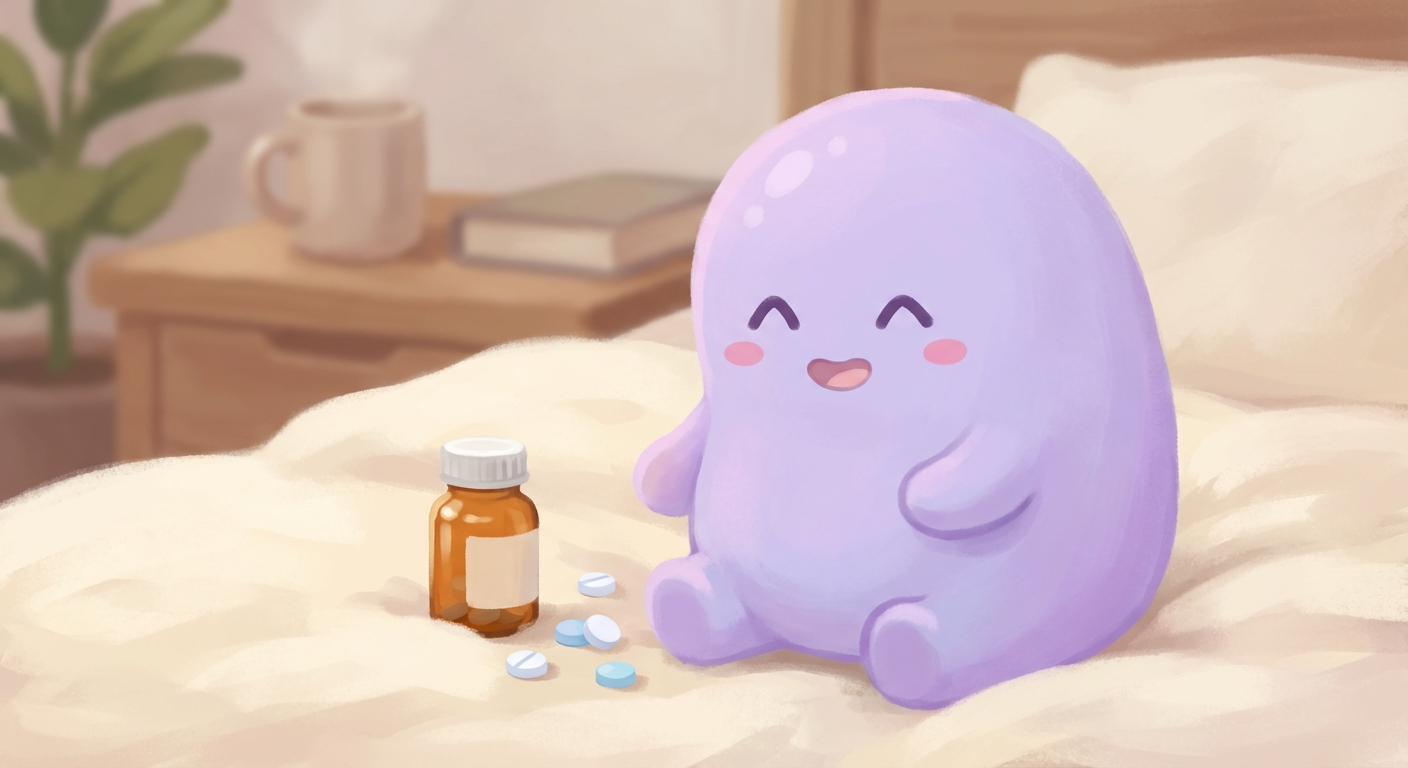
"Anxiety medications like SSRIs and SNRIs work by adjusting neurotransmitter levels in the brain, particularly serotonin and norepinephrine. They typically take 4-8 weeks to show full effects and work best when combined with therapy and lifestyle changes."
You've finally decided to talk to your doctor about medication for anxiety. Or maybe you just started a prescription and you're wondering what comes next. Or you've been on medication for months and you're not sure if it's working.
The internet is full of horror stories and miracle stories, but not a lot of honest, balanced information about what anxiety medication actually does, how long it takes, and what you should realistically expect.
This isn't medical advice—you need your prescriber for that. But it is the honest conversation many people wish they'd had before starting medication.
Understanding Anxiety Medication: Expectations vs. Reality
The Different Types of Anxiety Medication
Not all anxiety medications work the same way, and understanding the categories helps set realistic expectations.
SSRIs (Selective Serotonin Reuptake Inhibitors) are the most commonly prescribed first-line treatment. Names you might recognize include sertraline (Zoloft), escitalopram (Lexapro), fluoxetine (Prozac), and paroxetine (Paxil). They work by increasing serotonin availability in the brain and typically take 4-8 weeks to reach full effectiveness.
SNRIs (Serotonin-Norepinephrine Reuptake Inhibitors) like venlafaxine (Effexor) and duloxetine (Cymbalta) affect both serotonin and norepinephrine. They're often tried when SSRIs don't work or when anxiety comes with significant physical symptoms.
Benzodiazepines like alprazolam (Xanax), lorazepam (Ativan), and clonazepam (Klonopin) work fast—within 30-60 minutes—but are generally prescribed for short-term use due to dependence risks.
Buspirone is a non-addictive option that works differently from other medications, taking 2-4 weeks to show effects.
Beta-blockers like propranolol don't treat anxiety directly but can block physical symptoms like racing heart and shaking, making them useful for performance anxiety.
The Reality of the First Few Weeks
Here's what nobody prepares you for: SSRIs and SNRIs often make you feel worse before you feel better. This isn't a sign that the medication isn't working—it's actually a normal part of the adjustment process.
During weeks 1-2, your body is adjusting to the medication. Common experiences include increased anxiety (ironic, right?), nausea, headaches, changes in sleep, and feeling "weird" or "off." Some people describe it as feeling like they're wearing a slightly wrong prescription of glasses—not quite right, but hard to pinpoint.
Weeks 2-4 often bring a settling period. Side effects usually start fading. You might notice small changes—maybe you're sleeping slightly better, or the constant background hum of anxiety has quieted a bit. Or you might notice nothing yet, which is also normal.
Weeks 4-8 is when most people start feeling the actual therapeutic effects. The edge comes off anxiety. Panic attacks may decrease in frequency or intensity. The catastrophic thought spirals become easier to interrupt.
Full effects typically take 6-12 weeks. If you're evaluating whether a medication "works" after two weeks, you're evaluating the side effects, not the benefits.
What Medication Can and Can't Do
Anxiety medication is powerful, but it's not magic. Setting realistic expectations prevents disappointment and helps you use medication as the tool it's meant to be.
What medication CAN do:
Turn down the volume on anxiety so you can function. It's like going from a smoke alarm blaring constantly to a reasonable alert system. The anxiety is still there, but it's not overwhelming everything else.
Make therapy more effective. When you're drowning in anxiety, it's hard to learn and apply coping skills. Medication can bring you to a place where you can actually do the work.
Break negative cycles. Anxiety feeds on itself—the more anxious you are, the more hypervigilant your nervous system becomes. Medication can interrupt this cycle.
Provide stability while you make other changes. Medication can be a scaffolding that supports you while you work on sleep, exercise, therapy, and other interventions.
What medication CAN'T do:
Fix the underlying causes of your anxiety. If your anxiety stems from trauma, toxic relationships, or life circumstances, medication won't resolve those. It might make them easier to address.
Make you feel "happy" or "normal" all the time. Medication reduces pathological anxiety—it doesn't eliminate normal human emotions, including appropriate worry and stress.
Work in isolation. The research is clear: medication combined with therapy works better than either alone. If you're relying solely on medication, you're leaving effectiveness on the table.
Side Effects: The Honest Version
Your prescriber will give you the official list, but here's what people actually experience and what matters:
Common and usually temporary: Nausea, headaches, sleep changes, dry mouth, and mild digestive issues typically fade within the first few weeks. Taking medication with food, staying hydrated, and being patient helps.
Sexual side effects are more common than you might expect—studies suggest 30-70% of people on SSRIs experience some sexual dysfunction. This can include decreased libido, difficulty with arousal, or difficulty reaching orgasm. For some people this improves over time; for others, it persists. This is a legitimate reason to discuss switching medications.
Emotional blunting is reported by some people—a sense of being "flattened" or unable to feel emotions as intensely, including positive ones. If you feel like a zombie, that's worth addressing with your prescriber. Not everyone experiences this, and dose adjustments or medication changes can help.
Weight changes can go either direction and vary significantly by medication and individual. SSRIs are more associated with potential weight gain than some other options.
Withdrawal isn't just for "addictive" medications. SSRIs and SNRIs can cause discontinuation syndrome if stopped abruptly—brain zaps, dizziness, flu-like symptoms, mood swings. Always taper under medical supervision.
How to Know If It's Working
This is the question everyone asks, and it's surprisingly hard to answer. Anxiety reduction is often gradual enough that you don't notice it day-to-day.
Signs it might be working:
Other people notice before you do. "You seem calmer lately" from someone close to you is actually meaningful data.
You realize you haven't had a panic attack in a while—and the realization itself is surprising because you weren't tracking it.
The gap between a trigger and your reaction has lengthened. You still get anxious, but you have more time to respond rather than just react.
You're doing things you avoided before, without having to force yourself as much.
Your physical symptoms (muscle tension, stomach issues, racing heart) have decreased.
Tracking helps. Keep a simple log of your anxiety level (1-10 scale), panic attack frequency, and any patterns. Looking back over weeks gives you better data than trying to remember how you felt.
If it's not working after 6-8 weeks at an adequate dose, that's useful information, not failure. It often takes trying 2-3 medications to find the right fit. Everyone's brain chemistry is different.
The Question Everyone Asks: Do I Have to Take This Forever?
The honest answer: it depends, and both options are valid.
Many people use medication for a defined period—typically 6-12 months after feeling stable—while they build other coping tools through therapy and lifestyle changes. Then they taper off under medical supervision and do fine without medication.
Others find that medication is part of their long-term wellness strategy, like glasses for vision or insulin for diabetes. There's no shame in this. Some brains need ongoing support, and that's a medical reality, not a personal failing.
Factors that influence the decision:
The severity and chronicity of your anxiety. More severe, longer-standing anxiety patterns may benefit from longer treatment.
Your support systems and coping tools. If you've built strong therapy skills, good sleep habits, regular exercise, and other supports, you may be more prepared to try life without medication.
Your personal experience. Some people taper off and feel great. Others taper off and realize the medication was doing more than they thought. Both outcomes teach you something important about your needs.
What matters most is that it's your decision, made in collaboration with your prescriber, based on your experience—not based on stigma or what you think you "should" do.
Scientific Context
Research on anxiety medication effectiveness draws from clinical trials, prescribing guidelines from the American Psychiatric Association, and outcome studies comparing medication, therapy, and combined approaches.
Related Reading
Regulation shouldn't be work.
Medication works best when combined with daily nervous system regulation practices. Nomie provides the complementary support that helps medication do its job—calming rituals, breathing exercises, and grounding tools available whenever your nervous system needs them.
While medication adjusts your baseline, Nomie helps you build the daily habits that support lasting change.
Frequently Asked Questions
How long do SSRIs take to work for anxiety?
SSRIs typically take 4-8 weeks to show full therapeutic effects for anxiety. Most people notice some changes around weeks 2-4, but the medication needs time to fully adjust brain chemistry. Side effects often appear first and fade as benefits emerge.
Why did my anxiety get worse when I started medication?
Increased anxiety in the first 1-2 weeks is common with SSRIs and SNRIs. The medication is adjusting neurotransmitter levels, and your brain needs time to adapt. This temporary increase usually fades. If severe, talk to your prescriber—they may adjust your starting dose or add short-term support.
Can I drink alcohol on anxiety medication?
Most prescribers recommend avoiding or limiting alcohol while on anxiety medication. Alcohol can worsen anxiety, interfere with medication effectiveness, and increase side effects. With benzodiazepines, alcohol is particularly dangerous due to combined sedation effects.
What happens if I stop taking anxiety medication suddenly?
Stopping SSRIs or SNRIs abruptly can cause discontinuation syndrome—brain zaps, dizziness, nausea, flu-like symptoms, and mood swings. Always taper under medical supervision. Even non-addictive medications need gradual reduction for your brain to adjust.
Continue Reading
View All PostsNomie vs Finch: Somatic AI Wellness or Virtual Pet Gamification?
Finch gamifies self-care with a virtual pet bird. Nomie calms your nervous system with somatic tools. Here's which approach actually fits your needs.
Anxiety Dizziness and Lightheadedness: Why It Happens and What Helps
Feeling dizzy during anxiety can be terrifying—but it’s usually a nervous-system + breathing effect, not a sign you’re about to faint. Learn common causes and how to steady yourself.
Anxiety Tingling and Numbness: Causes, Meaning, and How to Stop It
Pins and needles during anxiety can feel alarming—especially in hands, face, or lips. Learn why it happens (often breathing + adrenaline) and how to calm it down safely.