AI Wellness vs AI Therapy: What's the Difference - and Where Nomie Fits
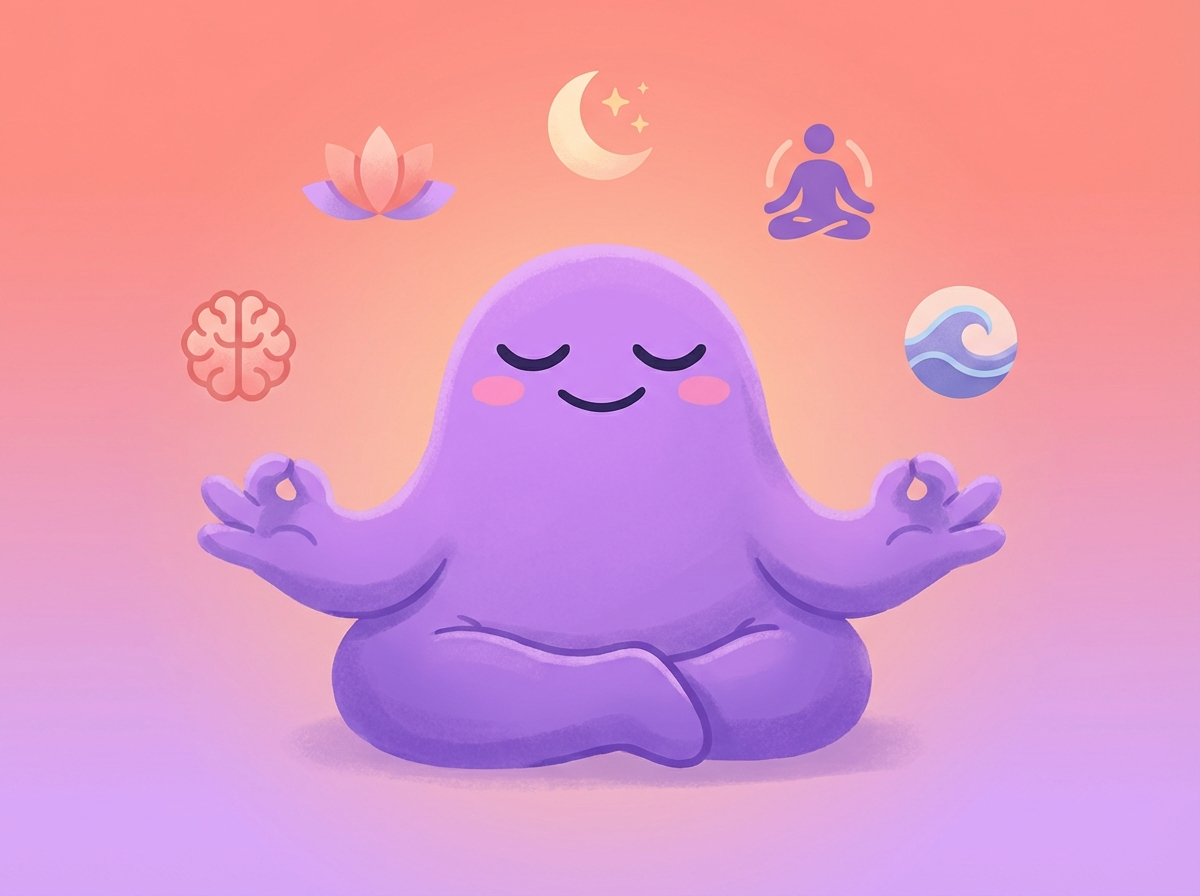
"AI therapy tools often replicate cognitive frameworks (like CBT) through conversation. AI wellness tools like Nomie focus on somatic 'state change'-using the body to calm the nervous system."
If you've searched for emotional support apps recently, you've probably seen the terms AI therapy, AI companion, and AI wellness used almost interchangeably. They sound similar, but they aren't the same - and the difference matters.
Some tools are built to simulate therapy-style conversation. Others are designed to support everyday emotional regulation and self-care outside of a medical context. Nomie was intentionally built in the second category.
This article breaks down what AI wellness actually means, how it differs from AI therapy, and where Nomie fits.
Two paths are emerging
AI therapy tools are designed to replicate certain elements of traditional talk therapy. Most rely heavily on Cognitive Behavioral Therapy (CBT)-style conversation - identifying thought patterns, reframing beliefs, and tracking mood through chat-based interactions. These tools can be useful for reflection and psychoeducation, but they are fundamentally cognitive and conversational. Their primary mechanism is language.
AI wellness tools focus on something different: state change.
Rather than starting with thoughts, they start with the body. AI wellness tools aim to help people calm their nervous systems, interrupt stress loops, and build small, sustainable regulation habits. They are not designed to diagnose, treat, or replace mental-health care. They are designed to support everyday well-being.
Nomie lives here.
Where Nomie Fits
Somatic Over Analysis
Here's a scenario you might recognize: You're lying in bed at midnight, heart racing for no clear reason. You don't need to unpack your childhood or reframe a belief—you need your nervous system to chill out. That's the moment Nomie was built for. The tight chest while doomscrolling through bad news. The ADHD paralysis where you know what to do but can't make your body do it. The restless urge to refresh your feeds even though nothing's happening. The late-night emotional static that keeps you awake. These moments don't call for deep psychological insight. They call for your body to feel safe enough to relax.
Body-First Regulation
Instead of asking 'what are you thinking?' Nomie asks 'what does your body need right now?' Maybe it's a rhythmic breathing exercise that signals safety to your vagus nerve. Maybe it's a digital fidgets that gives your restless hands something to do. Maybe it's a calming ritual that replaces the doom-scroll with something that actually settles you. The AI companion doesn't analyze your problems—it sits with you, co-regulates, and gently guides you toward feeling better in your body. This is 'bottom-up' regulation: instead of trying to think your way to calm, you use physical sensations to shift your state. Once your nervous system settles, your mind follows.
The Distinction Matters
When every emotional support app gets labeled 'AI therapy,' it creates real problems. Someone in crisis might delay seeking actual professional help because an app said it was 'therapy.' Expectations get inflated, and people feel failed when a chatbot can't resolve deep trauma. Therapy is a protected medical domain for good reason—it requires training, accountability, and the ability to handle complex mental health situations. Wellness tools play a different (but equally important) role: prevention, daily regulation, emotional support, skill-building, and healthy habit formation. They're the brushing-your-teeth of mental health—not the root canal.
The clearest way to see the difference
| Feature | Nomie | Wysa / Woebot | BetterHelp | Tolan |
|---|---|---|---|---|
| Role | Somatic AI Companion | AI Coach / CBT Chatbot | Human Therapist Platform | AI Companion |
| Primary focus | Nervous system regulation & self-care | Cognitive conversation (CBT) | Talk therapy | Emotional conversation |
| Regulation style | Body-first (haptics, breathing, fidgets) | Thought-first (chat) | Verbal processing | Conversational support |
| Availability | 24/7 instant | 24/7 instant | Appointment-based | 24/7 instant |
| Cost | $9.99/mo or $49.99/yr | Freemium / $99/yr | $60-$100/week | Freemium |
| Category | Wellness tool | Wellness tool | Medical service | Wellness / companion |
| What it replaces | Doomscrolling, stress loops | Journaling & coaching apps | Therapy access barriers | Loneliness |
| What it does not claim | Therapy or diagnosis | Therapy | AI support | Somatic regulation |
Empowering your nervous system, one scroll at a time.
Scientific Context
The future of emotional health won't rely on one category of tools. It will be layered. Therapists for deep work. AI coaches for structured reflection. Somatic AI companions for everyday regulation.
Related Reading
Regulation shouldn't be work.
Nomie doesn't try to be a therapist. It tries to be a healthier place to land when your thumb reaches for your phone.
Nomie was built for that everyday layer — where most emotional life actually happens.
Frequently Asked Questions
Is Nomie an AI therapy app?
No. Nomie is not an AI therapy app and does not provide diagnosis, treatment, or medical services. Nomie is an AI wellness companion designed to support self-care, nervous system regulation, and everyday emotional well-being.
What is the difference between AI wellness and AI therapy?
AI therapy tools are designed to simulate aspects of traditional therapy, often using CBT-style conversation. AI wellness tools focus on daily emotional support, regulation, and habit-building outside of a clinical or medical context.
Can Nomie replace therapy?
No. Nomie is not a replacement for therapy or professional mental health care. It is designed to complement well-being routines by supporting daily regulation, grounding, and emotional balance.
How is Nomie different from apps like Wysa or Woebot?
Most AI therapy chatbots focus primarily on cognitive conversation and CBT-style techniques. Nomie is built around somatic, body-first regulation, using calming rituals, haptics, breathing tools, and digital fidgets to support the nervous system.
Continue Reading
View All PostsNomie vs Finch: Somatic AI Wellness or Virtual Pet Gamification?
Finch gamifies self-care with a virtual pet bird. Nomie calms your nervous system with somatic tools. Here's which approach actually fits your needs.
Anxiety Dizziness and Lightheadedness: Why It Happens and What Helps
Feeling dizzy during anxiety can be terrifying—but it’s usually a nervous-system + breathing effect, not a sign you’re about to faint. Learn common causes and how to steady yourself.
Anxiety Tingling and Numbness: Causes, Meaning, and How to Stop It
Pins and needles during anxiety can feel alarming—especially in hands, face, or lips. Learn why it happens (often breathing + adrenaline) and how to calm it down safely.