Fear of Losing Control Anxiety: Why It Happens and How to Cope
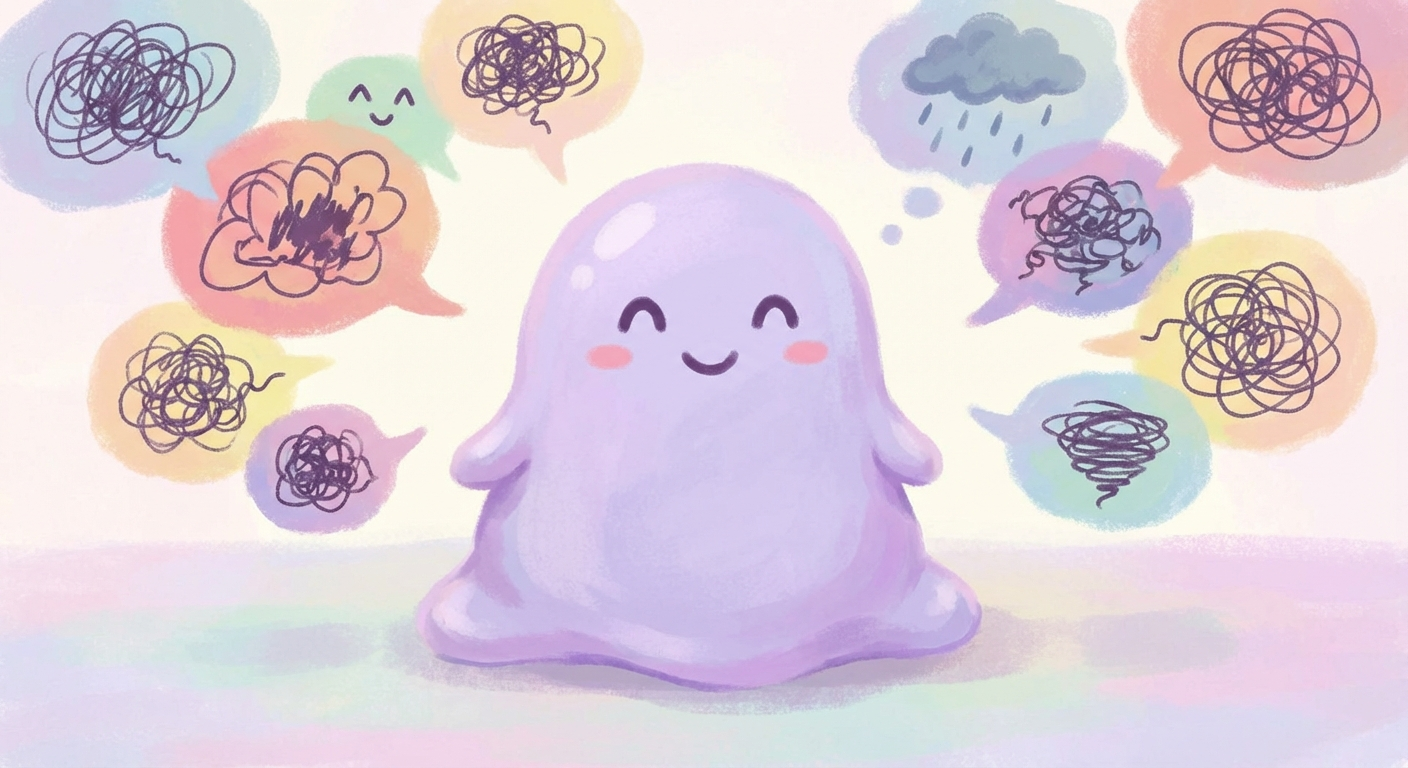
"Fear of losing control anxiety is the worry that intense anxiety will cause you to faint, scream, act impulsively, or 'go crazy.' It often appears during panic attacks and is maintained by catastrophic interpretations of normal anxiety sensations."
Fear of losing control during anxiety is a catastrophic misinterpretation of normal fight-or-flight sensations. When your threat system fires at full volume — producing dizziness, heat, trembling, and derealization — your brain tries to explain the intensity with the worst possible story: “I’m about to snap.” But feeling out of control is not the same as being out of control.
This fear is very common in panic disorder and highly treatable with approaches like CBT and exposure therapy. Here’s why it shows up, what it actually means, and coping skills that reduce it over time.
Breaking the Fear of Losing Control
What “Losing Control” Anxiety Really Is
Fear of losing control is usually a catastrophic interpretation of anxiety sensations. Your body signals alarm (adrenaline, dizziness, heat, trembling), and your mind tries to explain it with the worst possible story: “I’m about to snap.”
This is closely related to panic disorder, where the fear of the symptoms becomes the trigger. If that pattern resonates, start with what does anxiety feel like and how to stop panic attacks.
Why This Fear Is So Common in Panic
Panic is intense by design: your threat system is firing at full volume. That intensity makes your brain conclude, “If it’s this strong, it must be dangerous.”
Common “lose control” fears include:
Fear of fainting (often linked to dizziness or hyperventilation).
Fear of screaming/crying (linked to emotional overwhelm).
Fear of doing something impulsive (linked to intrusive thoughts).
Fear of “going crazy” (linked to derealization/depersonalization, which can feel unreal and scary).
Important: feeling out of control is not the same as being out of control. Anxiety can feel like a takeover while you still remain capable of choice.
Coping Skills for the Moment It Hits
When the fear spikes, your goal is to interrupt the escalation.
Use a reality statement: “I’m having anxiety. Anxiety feels like losing control. It passes.”
Anchor to sensation: Feel your feet, grip an object, name 5 things you see. Use grounding techniques.
Regulate the breath gently: Extended exhale breathing can reduce sympathetic activation. See breathing exercises.
Do the opposite of the safety behavior: If your urge is to escape immediately, experiment with staying 30 seconds longer while breathing. This teaches your brain you can tolerate the wave.
De-catastrophize with specificity: Ask, “If I cried for 30 seconds, what would actually happen?” This is a practical version of how to stop worrying about everything.
How to Break the Cycle Long-Term
Long-term change comes from retraining the meaning you assign to sensations.
Interoceptive exposure: Practicing safe versions of feared sensations (like light dizziness, increased heart rate) reduces fear of them. This is typically guided by a therapist in CBT for panic.
Reduce checking and reassurance-seeking: Monitoring yourself for signs of “losing it” keeps the fear alive.
Learn thought-labeling: “This is catastrophic thinking.” “This is the panic story.” Naming the pattern weakens it.
Track triggers and context: Often this fear rises when you’re sleep-deprived, overstimulated, or stressed. Tracking makes it predictable and more manageable.
When to Get Professional Help
Consider professional support if fear of losing control is shrinking your life—avoiding driving, crowds, work meetings, or social events. Panic-focused CBT and ACT can be extremely effective.
If your fear is linked to intrusive harm thoughts, you might also relate to intrusive thoughts anxiety treatment. You don’t have to white-knuckle this alone.
Scientific Context
Fear of losing control is a common panic cognition (catastrophic misinterpretation of bodily sensations). Evidence-based treatments like CBT for panic target these interpretations and use exposure methods to reduce fear responses.
Related Reading
Regulation shouldn't be work.
Fear of losing control is fueled by uncertainty: “What if it gets worse?” Nomie helps you respond with structure. Use quick grounding prompts and haptic breathing during the spike, then use mood tracking to capture what happened (sleep, caffeine, situation, thoughts). Over time, you get a clearer pattern: it’s not random—and it’s not you “going crazy.”
When your brain wants to tell a scary story, having a calming script in your pocket changes the outcome.
Frequently Asked Questions
Is fear of losing control a sign I’m going crazy?
No. It’s usually a sign your anxiety system is highly activated and your brain is catastrophizing the sensations. Feeling “unreal” or overwhelmed can be part of panic, not psychosis. If you’re concerned about safety or reality testing, talk to a clinician for reassurance and assessment.
Why do I feel like I might faint during anxiety?
Dizziness and lightheadedness can come from hyperventilation and adrenaline. The sensation is uncomfortable and scary, but it’s commonly benign. Gentle breathing and grounding help.
What if I actually lose control in public?
Most people don’t. And even if you cry, need to step outside, or sit down—those are human outcomes, not disasters. The fear is often worse than the event.
What therapy helps this fear?
CBT for panic (including interoceptive exposure) and ACT are both effective. They target catastrophic interpretations and teach you to tolerate the sensations without avoidance.
Continue Reading
View All PostsNomie vs Finch: Somatic AI Wellness or Virtual Pet Gamification?
Finch gamifies self-care with a virtual pet bird. Nomie calms your nervous system with somatic tools. Here's which approach actually fits your needs.
Anxiety Dizziness and Lightheadedness: Why It Happens and What Helps
Feeling dizzy during anxiety can be terrifying—but it’s usually a nervous-system + breathing effect, not a sign you’re about to faint. Learn common causes and how to steady yourself.
Anxiety Tingling and Numbness: Causes, Meaning, and How to Stop It
Pins and needles during anxiety can feel alarming—especially in hands, face, or lips. Learn why it happens (often breathing + adrenaline) and how to calm it down safely.