Anxiety Sweating: Why It Happens (and How to Calm It Down)
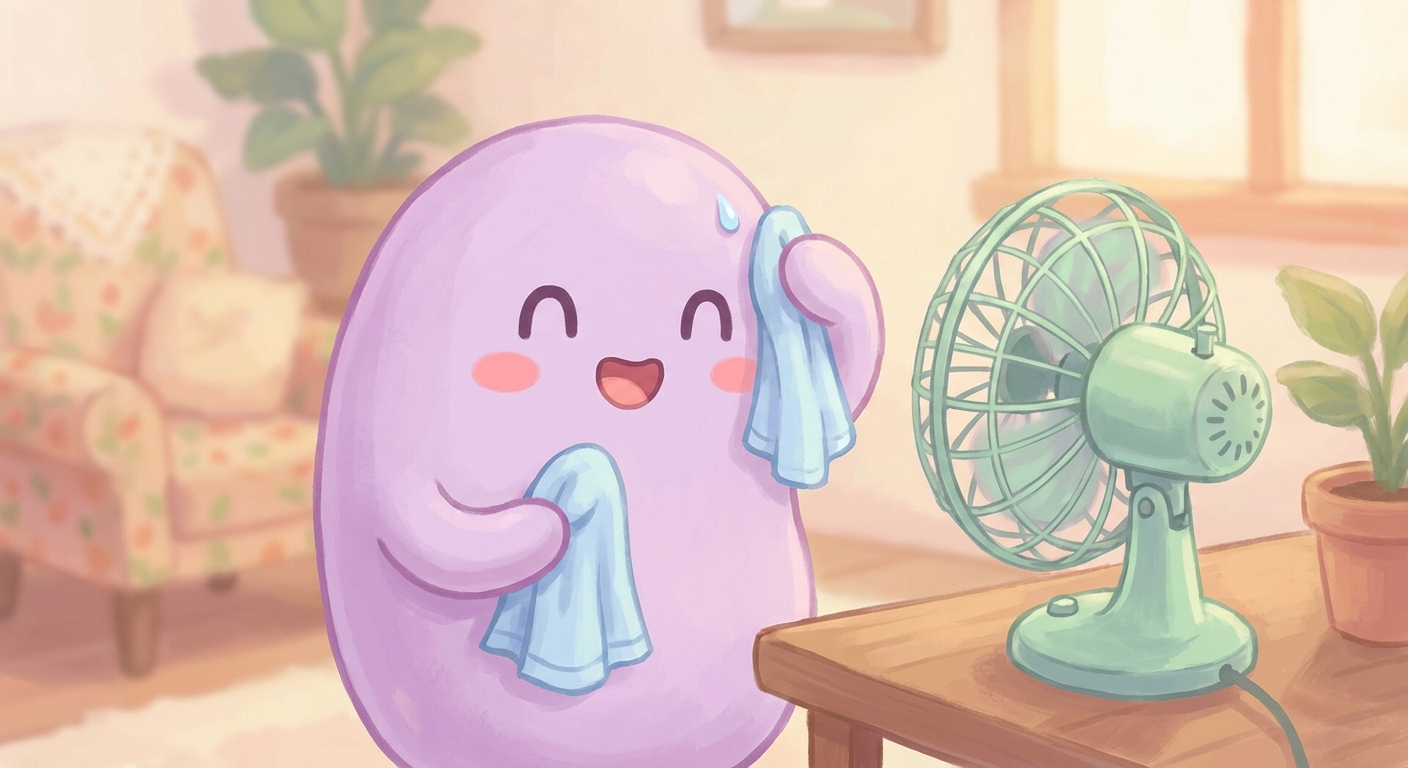
"Anxiety sweating is perspiration triggered by the fight-or-flight response. Stress hormones and sympathetic nervous system activation can increase sweat production, especially on palms, feet, underarms, and face."
Anxiety sweating happens because your sympathetic nervous system increases sweat production during fight-or-flight to cool your body for action — especially on palms, underarms, feet, and face. It’s one of the most predictable stress responses, and the frustrating part is that worrying about visible sweating often triggers even more sweating.
To calm it quickly: use extended-exhale breathing (inhale 4, exhale 6-8), apply a cool cue to wrists or face, and try grounding techniques. This guide explains why anxiety makes you sweat and what helps reduce it both in the moment and long-term.
Reducing Anxiety Sweating
Why Anxiety Triggers Sweating
When your sympathetic nervous system activates, it increases sweat production to help regulate temperature for ‘action.’ Anxiety sweating often shows up with other symptoms like shaking, racing heart, or nausea. If you want the bigger picture, what does anxiety feel like maps common body sensations.
Common Triggers That Make Sweating Worse
Sweating tends to spike with trigger stacks, like:
Caffeine + stress
Sleep deprivation + social pressure
Overheated rooms + rushing
Health anxiety / symptom-checking
If you notice sweating after panic episodes, panic hangover explains why symptoms can linger after an adrenaline surge.
What Helps in the Moment
Aim for ‘cool + calm’:
Extended-exhale breathing (inhale 4, exhale 6–8) to reduce sympathetic drive.
Cold cue: cool water on wrists/face, or a cold pack wrapped in cloth.
Grounding: feel your feet, press your palms together, widen your gaze. Start with grounding techniques for anxiety.
Loosen clothing / ventilation: small practical changes reduce the body’s urgency signal.
How to Reduce Anxiety Sweating Long-Term
Long-term improvement comes from lowering baseline arousal:
Reduce avoidant behaviors (avoidance can keep anxiety ‘hot’).
Practice somatic regulation skills daily (even 2 minutes).
Track patterns: When does it happen—meetings, driving, crowded places, after coffee? Pattern visibility reduces mystery.
If you’re working on nervous system skills, vagus nerve exercises is a good companion read.
When to Consider Extra Support
If sweating is severe, persistent, or causing major avoidance, talk with a clinician. Sometimes it overlaps with hyperhidrosis, medication effects, thyroid issues, or other medical contributors. Getting clarity can lower anxiety and help you choose the right treatment path.
Scientific Context
Sweating is a common autonomic symptom during anxiety and panic because sympathetic activation increases sweat gland activity as part of the fight-or-flight response.
Related Reading
Regulation shouldn't be work.
Anxiety sweating is easier to handle when you have a plan. In Nomie, you can run a short guided breathing session (with haptic feedback) to settle your body, then quickly log the moment with mood tracking—what you were doing, where you were, caffeine, sleep, and stress level. That turns “random sweating” into a visible pattern you can actually change.
When you’re stuck on “everyone can see it,” the AI companion helps you reframe the moment and choose a grounding action that reduces fear, not just sweat.
Frequently Asked Questions
Why do my hands get sweaty when I’m nervous?
Palms are a classic sympathetic-response area. When your fight-or-flight system activates, sweat production can increase quickly in hands and feet.
Is anxiety sweating a panic attack sign?
It can be. Sweating is common in panic attacks, but it can also happen with general anxiety, social anxiety, or stress without a full panic episode.
Does anxiety sweating mean I’m out of shape?
Not necessarily. Anxiety sweating is more about nervous system activation than fitness. That said, fitness can support stress resilience over time.
Can medication cause more sweating?
Yes—some medications and supplements can increase sweating. If sweating changed after starting a new medication, talk to your prescriber.
Continue Reading
View All PostsNomie vs Finch: Somatic AI Wellness or Virtual Pet Gamification?
Finch gamifies self-care with a virtual pet bird. Nomie calms your nervous system with somatic tools. Here's which approach actually fits your needs.
Anxiety Dizziness and Lightheadedness: Why It Happens and What Helps
Feeling dizzy during anxiety can be terrifying—but it’s usually a nervous-system + breathing effect, not a sign you’re about to faint. Learn common causes and how to steady yourself.
Anxiety Tingling and Numbness: Causes, Meaning, and How to Stop It
Pins and needles during anxiety can feel alarming—especially in hands, face, or lips. Learn why it happens (often breathing + adrenaline) and how to calm it down safely.