Anxiety Attacks vs Panic Attacks: What's the Difference?
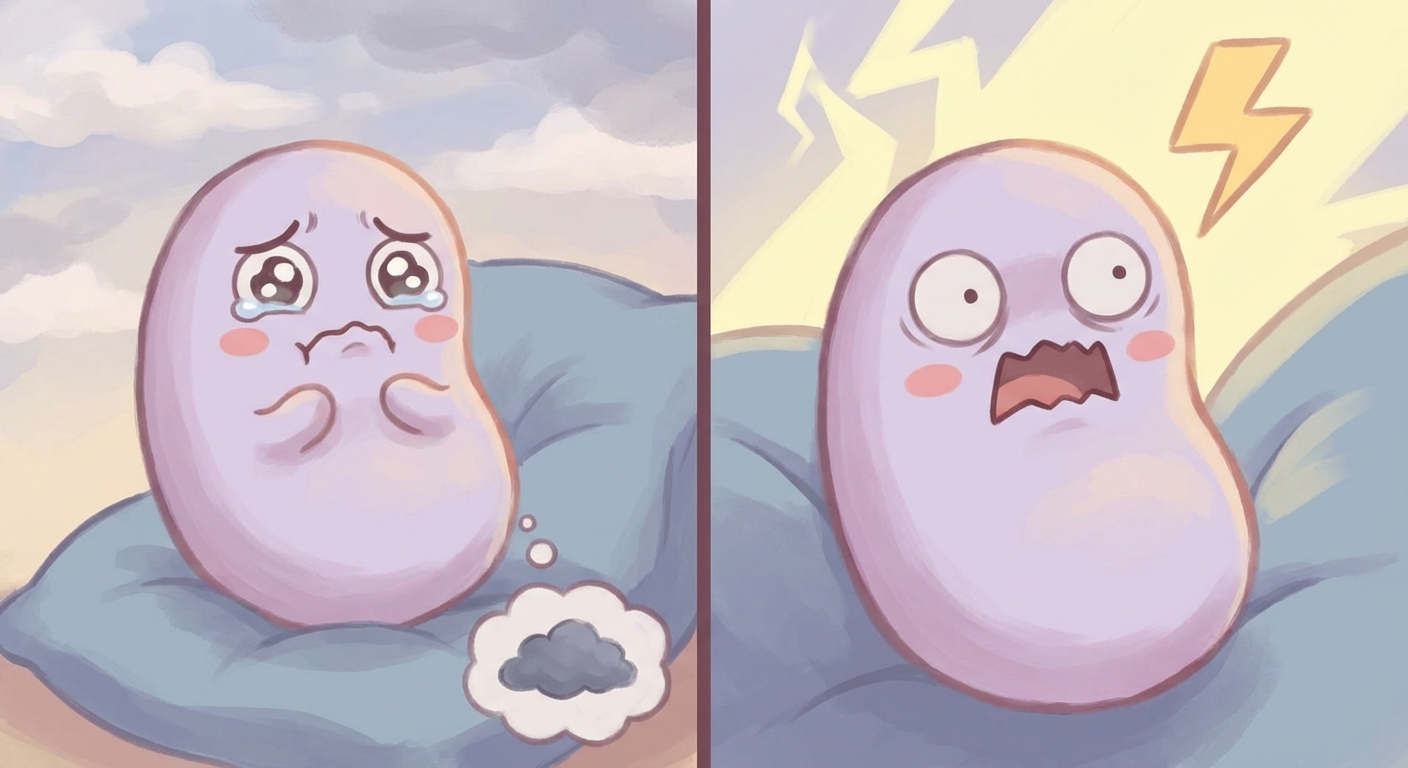
"Panic attacks are sudden, intense episodes of fear with physical symptoms that peak within minutes. 'Anxiety attacks' is a colloquial term for periods of heightened anxiety—more gradual and tied to specific stressors, though not a clinical diagnosis."
You're at the grocery store when it hits—racing heart, difficulty breathing, overwhelming fear. Is this a panic attack? An anxiety attack? Does the distinction even matter?
These terms are often used interchangeably, but they describe different experiences. Understanding the difference helps you identify what you're dealing with, communicate with healthcare providers, and know how to respond in the moment.
Here's the clarity you've been looking for.
Understanding Anxiety and Panic Attacks
The Quick Distinction
Panic attacks are recognized in the DSM-5 (the diagnostic manual for mental health). They have specific criteria: sudden onset, peak within minutes, and involve at least 4 of 13 defined symptoms. They can occur with or without a trigger.
"Anxiety attacks" is not a clinical term. It's a colloquial phrase people use to describe intense anxiety episodes. Since it's not formally defined, its meaning varies. Generally, it refers to a period of heightened anxiety that builds more gradually and is tied to a specific stressor.
The key differences: Onset (panic is sudden; anxiety builds), Intensity (panic is more severe), Trigger (panic can be unexpected; anxiety is usually connected to something specific), Duration (panic peaks quickly; anxiety can be prolonged).
That said, the experience of intense fear with physical symptoms is distressing regardless of what we call it. Both are real, both are difficult, and both deserve care.
Panic Attack Symptoms
A panic attack involves at least 4 of these symptoms, with sudden onset and peak intensity within minutes:
Physical symptoms: Pounding or racing heart (palpitations), sweating, trembling or shaking, shortness of breath or feeling smothered, chest pain or discomfort, nausea or stomach distress, dizziness, lightheadedness, or feeling faint, chills or hot flashes, numbness or tingling sensations.
Cognitive/perceptual symptoms: Feeling detached from yourself (depersonalization), feeling like things around you aren't real (derealization), fear of losing control or "going crazy," fear of dying.
The defining features: Panic attacks come on suddenly—often without warning or obvious trigger. They reach peak intensity within 10 minutes (usually faster). They're time-limited—typically subsiding within 20-30 minutes. They're intensely physical—many people go to the ER thinking they're having a heart attack.
Panic attacks can occur out of the blue (unexpected) or in response to a trigger (expected). Someone with specific phobias might panic when exposed to the feared object. Someone with panic disorder often has unexpected attacks.
"Anxiety Attack" Symptoms
Since "anxiety attack" isn't clinically defined, symptoms vary. Generally, people use this term to describe:
Emotional symptoms: Intense worry or dread, feeling overwhelmed, apprehension about something specific, difficulty concentrating, irritability, feeling "on edge."
Physical symptoms: Muscle tension, restlessness, fatigue, sleep disturbance, elevated heart rate (though usually less dramatic than panic), digestive upset.
The features that distinguish it from panic: Gradual build-up—anxiety attacks typically escalate over time rather than hitting suddenly. Connected to a stressor—there's usually an identifiable trigger (work stress, relationship conflict, a looming deadline). Variable duration—can last hours or even days, unlike panic's brief peak. Less acute physical intensity—symptoms are present but usually less overwhelming than panic.
Think of anxiety attacks as the boiling over of accumulated stress, while panic attacks are more like sudden lightning strikes.
Side-by-Side Comparison
Onset: Panic is sudden (0-10 minutes to peak). Anxiety builds gradually over time.
Trigger: Panic can be unexpected (out of nowhere) or expected. Anxiety is usually tied to a specific worry or stressor.
Intensity: Panic is extremely intense—often feels life-threatening. Anxiety ranges from mild to severe but usually less acute.
Duration: Panic typically peaks within 10-20 minutes and subsides within 30 minutes. Anxiety can last hours, days, or longer.
Physical symptoms: Panic is dominated by intense physical symptoms that often mimic medical emergencies. Anxiety has physical symptoms (tension, elevated heart rate) but they're typically less overwhelming.
Cognitive symptoms: Panic often includes fear of dying, losing control, or feeling detached from reality. Anxiety involves worry, difficulty concentrating, and apprehension about specific things.
Clinical recognition: Panic attacks are defined in the DSM-5. "Anxiety attacks" is not a clinical term (though the underlying anxiety may be diagnosable).
What to Do During a Panic Attack
Panic attacks feel terrifying but they're not dangerous. Your body's alarm system has misfired—there's no actual threat. The symptoms will pass.
In the moment: Remind yourself this is panic, not a medical emergency. Say to yourself: "This is a panic attack. It's unpleasant but not dangerous. It will pass." Focus on slowing your breathing. The physiological sigh (double inhale through nose, long exhale through mouth) is especially effective. Use grounding techniques—name 5 things you can see, 4 you can hear, etc. This anchors you to the present. Don't fight or try to suppress the panic. Let the wave pass through. Fighting increases it. Ride it out. The peak is brief—usually 10-20 minutes.
After: Be gentle with yourself—panic attacks are exhausting. Avoid avoidance. Don't let fear of another attack cause you to avoid situations. This strengthens the pattern. Note any patterns for future reference (time of day, location, preceding events).
Long-term: If panic attacks are recurring, consider professional help. CBT and exposure therapy are highly effective for panic disorder. Some people benefit from medication to reduce frequency.
What to Do During an Anxiety Spike
When anxiety is escalating but hasn't become full-blown panic:
In the moment: Identify the trigger. What specifically is driving this anxiety? Naming it helps. Challenge catastrophic thinking. Is this fear proportionate? What's the realistic outcome? Take action on controllable factors. If the anxiety is about a deadline, doing something (even small) is better than ruminating. Use nervous system regulation techniques—extended exhale breathing, bilateral tapping, cold water on face. Move your body. A walk, stretching, or even just shaking out tension can help discharge the anxious energy. Limit additional stimulation—reduce noise, step away from screens, simplify the environment.
Prevention: Regular practices reduce baseline anxiety and make spikes less frequent: consistent sleep, exercise, limiting caffeine, meditation, and addressing underlying stressors. Knowing your personal triggers helps you prepare or avoid escalation.
When to get help: If anxiety is frequently overwhelming, interfering with work or relationships, or if you're avoiding important activities due to anxiety, professional support is warranted.
When It Might Be Both
Anxiety and panic aren't always distinct. For many people, they exist on a continuum.
Anxiety that triggers panic: Prolonged anxiety can lead to panic attacks. Someone worried about work might experience weeks of mounting anxiety that eventually erupts into a panic attack. Here, the anxiety created conditions for the panic.
Panic that worsens anxiety: After experiencing panic attacks, people often develop anxiety about having more attacks. This anticipatory anxiety becomes a major part of panic disorder.
Generalized anxiety with occasional panic: Someone with GAD might experience chronic worry punctuated by occasional panic attacks.
The overlap: Both involve the fight-or-flight response. Both include physical symptoms and cognitive distress. Both respond to similar treatments (therapy, medication, lifestyle). The distinction matters less than understanding that you're dealing with a dysregulated nervous system that needs attention and care.
When to Seek Help
Whether you're experiencing panic attacks, intense anxiety, or something in between, consider professional support if:
Frequency or intensity is increasing. What started as occasional has become regular.
You're avoiding situations because of fear of panic or anxiety.
Daily functioning is impaired. Work, relationships, or quality of life are suffering.
You're developing depression or hopelessness alongside the anxiety.
You're using substances to manage symptoms.
Physical symptoms are concerning. While panic and anxiety cause physical symptoms, new or severe symptoms should be medically evaluated to rule out other causes.
Treatment options: CBT (Cognitive Behavioral Therapy) is highly effective for both panic and anxiety. Exposure therapy helps for panic disorder and phobia-related anxiety. Medication (SSRIs, SNRIs, benzodiazepines for acute use) can help. Lifestyle factors (sleep, exercise, caffeine reduction) support any treatment.
Anxiety and panic are highly treatable. Most people who get appropriate help see significant improvement.
Scientific Context
Panic attacks are defined in the DSM-5 with specific diagnostic criteria. Research on panic disorder and generalized anxiety disorder informs understanding of symptoms and treatment. CBT and exposure therapy have strong evidence bases for both conditions.
Related Reading
Regulation shouldn't be work.
Whether it's panic or anxiety, the experience of overwhelming fear with physical symptoms is deeply distressing. In those moments, your thinking brain goes offline and your nervous system takes over.
Nomie provides tools designed for exactly these moments—breathing exercises that can interrupt the panic response, grounding rituals that anchor you to the present, and haptic feedback that gives your dysregulated nervous system something to focus on besides the spiral.
You don't need to figure out what to do in the moment when you're already overwhelmed. You need a tool that's ready when you need it.
Frequently Asked Questions
Can you have both anxiety attacks and panic attacks?
Yes. Many people experience chronic anxiety (what some call "anxiety attacks") punctuated by occasional panic attacks. Prolonged anxiety can also trigger panic attacks. They're related experiences on a spectrum of anxiety response, and treatment approaches for both overlap significantly.
Are panic attacks dangerous?
Panic attacks feel dangerous but they're not medically harmful. The symptoms (racing heart, chest pain, difficulty breathing) mimic serious conditions, which is why many people end up in the ER. However, panic attacks don't cause heart attacks, strokes, or death. The body returns to normal after the panic subsides.
Why do panic attacks happen for no reason?
"Unexpected" panic attacks (those without obvious triggers) occur when the brain's alarm system misfires. Contributing factors may include accumulated stress, sleep deprivation, caffeine, or underlying anxiety that hasn't been consciously processed. Sometimes there's a trigger you're not aware of. For some people, they just happen spontaneously.
How long does a panic attack last?
Panic attacks typically peak within 10 minutes and subside within 20-30 minutes. However, the recovery period—when you still feel shaky or drained—can last longer. Some people experience waves of panic that extend the overall experience, but acute peak intensity is usually brief.
Do I have panic disorder?
Panic disorder is diagnosed when you have recurrent unexpected panic attacks AND persistent worry about future attacks or significant behavior changes to avoid them. Having one panic attack doesn't mean you have panic disorder. If panic attacks are recurring and affecting your life, see a mental health professional for proper evaluation.
Continue Reading
View All PostsNomie vs Finch: Somatic AI Wellness or Virtual Pet Gamification?
Finch gamifies self-care with a virtual pet bird. Nomie calms your nervous system with somatic tools. Here's which approach actually fits your needs.
Anxiety Dizziness and Lightheadedness: Why It Happens and What Helps
Feeling dizzy during anxiety can be terrifying—but it’s usually a nervous-system + breathing effect, not a sign you’re about to faint. Learn common causes and how to steady yourself.
Anxiety Tingling and Numbness: Causes, Meaning, and How to Stop It
Pins and needles during anxiety can feel alarming—especially in hands, face, or lips. Learn why it happens (often breathing + adrenaline) and how to calm it down safely.